
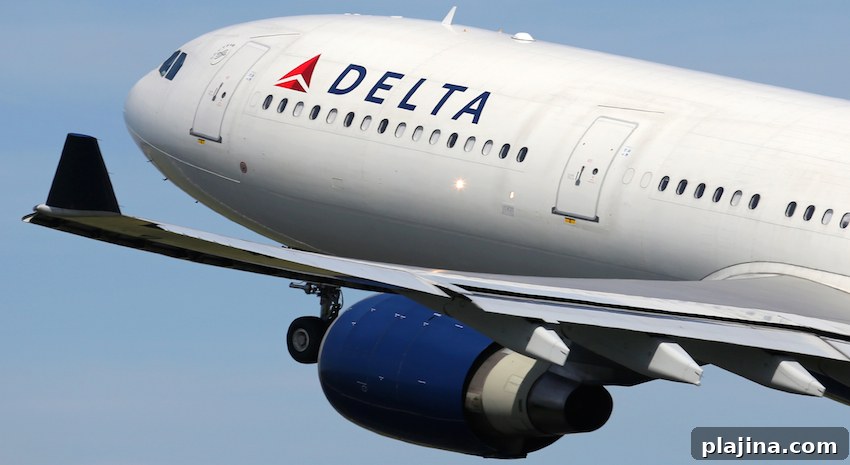
Delta Air Lines and Korean Air have expanded their long-standing partnership with a new agreement to grow their trans-Pacific network. This development will increase travel options and strengthen competition between the United States and Asia.
The carriers signed a memorandum of understanding to pursue a joint venture that will give customers access to an extensive route network, high-quality onboard products, improved airport facilities and a more seamless travel experience.
“This agreement deepens our longstanding partnership with Korean Air and will provide the global access and seamless service our customers demand,” said Ed Bastian, chief executive officer of Delta. “We look forward to providing customers of both carriers with industry-leading service between the United States and Asia.”
Key elements of the agreement include the intent to establish a fully integrated trans-Pacific joint venture in which both airlines will coordinate schedules and share costs and revenues. Together they will offer a combined network serving more than 290 destinations across the Americas and more than 80 destinations in Asia. Frequent-flyer benefits will be enhanced so members of each airline’s loyalty program can earn and redeem miles across both carriers. The airlines will continue to work through implementation details before formally executing the joint-venture arrangement.
As part of their expanded cooperation, Delta will introduce a new nonstop service between Atlanta (ATL) and Seoul (ICN) beginning in June, supplementing Korean Air’s existing flights. Korean Air will also grow its U.S.–Korea schedule for the summer season by adding a third round-trip between Los Angeles (LAX) and Seoul and a second daily flight between San Francisco (SFO) and Seoul.
By combining networks and coordinating operations, the two airlines aim to offer travelers more route choices, better connections and a consistent travel experience across both carriers. Passengers should expect improved schedule options across major U.S. gateways and key Asian cities, along with streamlined benefits for frequent flyers who travel between the two regions.
Both carriers emphasized that the partnership is designed to enhance service quality while maintaining high standards for safety and passenger comfort. The planned network expansion and closer commercial cooperation reflect ongoing demand for trans-Pacific travel and the carriers’ commitment to meeting customer needs with broader, more convenient route options.