
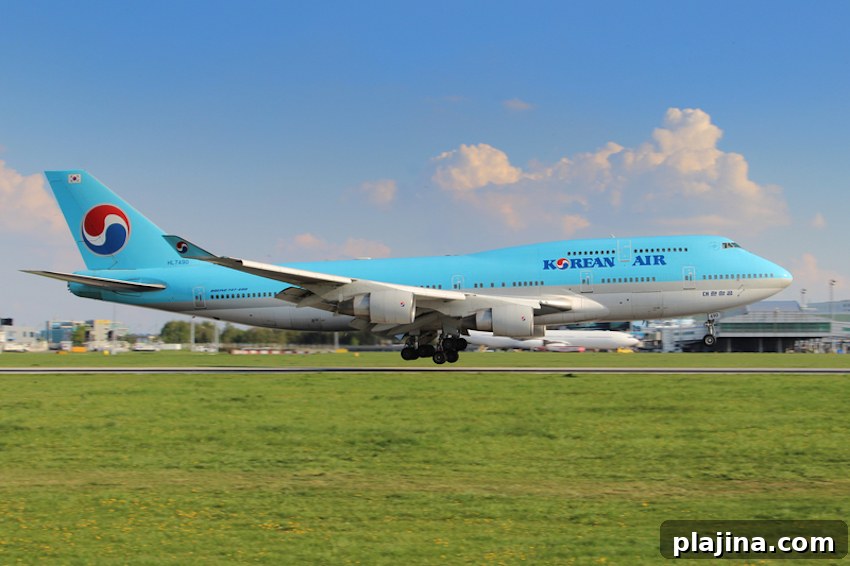
Delta Air Lines has acquired an indirect equity stake in its joint venture partner Korean Air, becoming the carrier’s largest single shareholder. The Atlanta-based airline now holds 4.3 percent of Hanjin-KAL and plans to raise that holding to 10 percent over time, subject to regulatory approval. Delta has not disclosed the purchase price; industry reporting estimates the current holding is worth roughly $88 million based on market valuations.
Delta described the investment as a clear signal of its long-term commitment to the joint venture with Korean Air and to the commercial and customer benefits that flow from the partnership. In a statement, Delta emphasized that the equity stake supports market positioning, growth opportunities and enhanced service offerings that passengers will experience as the airlines deepen cooperation.
This investment builds on Delta’s broader strategy of forming strategic equity partnerships across global carriers. Delta already holds stakes in Grupo Aeroméxico, Air France–KLM, China Eastern, Brazil’s Gol and Virgin Atlantic, and it has been in talks to acquire a stake in Alitalia. These minority investments are designed to strengthen network connectivity, simplify customer experience across partner airlines, and create coordinated schedules and shared product offerings.
The joint venture between Delta and Korean Air launched last year and links an extensive route network across the United States and Asia. Together the partners now serve more than 290 destinations in the U.S. and over 80 destinations across Asia. Since the venture began in May 2018, the airlines have expanded operational cooperation to include more than 1,400 codeshare flights, improving connections across both regions and enabling passengers to more easily reach destinations throughout Asia and the U.S.
Beyond expanding route options, Delta and Korean Air have coordinated commercial activities to provide a more seamless travel experience. Joint efforts include integrated sales and marketing initiatives, which simplify booking and improve transparency for customers. The partnership has also focused on loyalty program enhancements: frequent flyers on both airlines can now earn miles across partner flights and redeem rewards on a broader selection of services, creating additional value for travelers who fly between the United States and Asia.
Operational collaboration has extended to joint scheduling and product alignment, allowing the two carriers to offer more convenient connections and improved service consistency. Passengers benefit from synchronized flight times, coordinated baggage handling policies and aligned customer service priorities, all intended to reduce friction for travelers transferring between partner flights.
Delta’s stake in Korean Air aligns with a wider industry trend where major carriers use minority investments and joint ventures to expand reach without pursuing full mergers. These arrangements preserve each airline’s brand and operating independence while enabling shared revenue opportunities and closer coordination on pricing and capacity. For travelers, the practical outcomes include more travel options, enhanced loyalty benefits and streamlined itineraries across partner networks.
As Delta seeks regulatory approval to increase its stake to 10 percent, both airlines are likely to continue deepening their commercial and operational ties. If approved, the larger ownership position would further cement Delta’s strategic relationship with Korean Air and could lead to additional joint initiatives aimed at growing market share in lucrative trans-Pacific markets and improving the overall customer experience for passengers traveling between North America and Asia.