As travel restrictions ease for Americans planning to visit Cuba, now is an ideal time to start arranging that long-awaited Caribbean getaway. The island’s tourism sector is responding to renewed interest by offering unique cultural experiences that are often found only in Cuba.
Visitors can explore a wide range of authentic activities, from traditional music and dance to hands-on workshops that showcase local crafts and culinary traditions. Guided tours frequently include visits to colonial neighborhoods, bustling markets, and historic sites that tell the story of Cuba’s rich heritage. These immersive experiences give travelers the chance to connect with local communities and gain a deeper understanding of everyday life on the island.
Cuban cuisine is another highlight. Food-focused itineraries introduce travelers to classic dishes prepared with regional ingredients, and often feature opportunities to learn cooking techniques from local chefs. Similarly, Cuba’s thriving arts scene—spanning visual arts, literature, and live performance—offers plentiful options for culturally minded visitors. Small galleries, artist studios, and public performances provide a window into the island’s creative spirit.
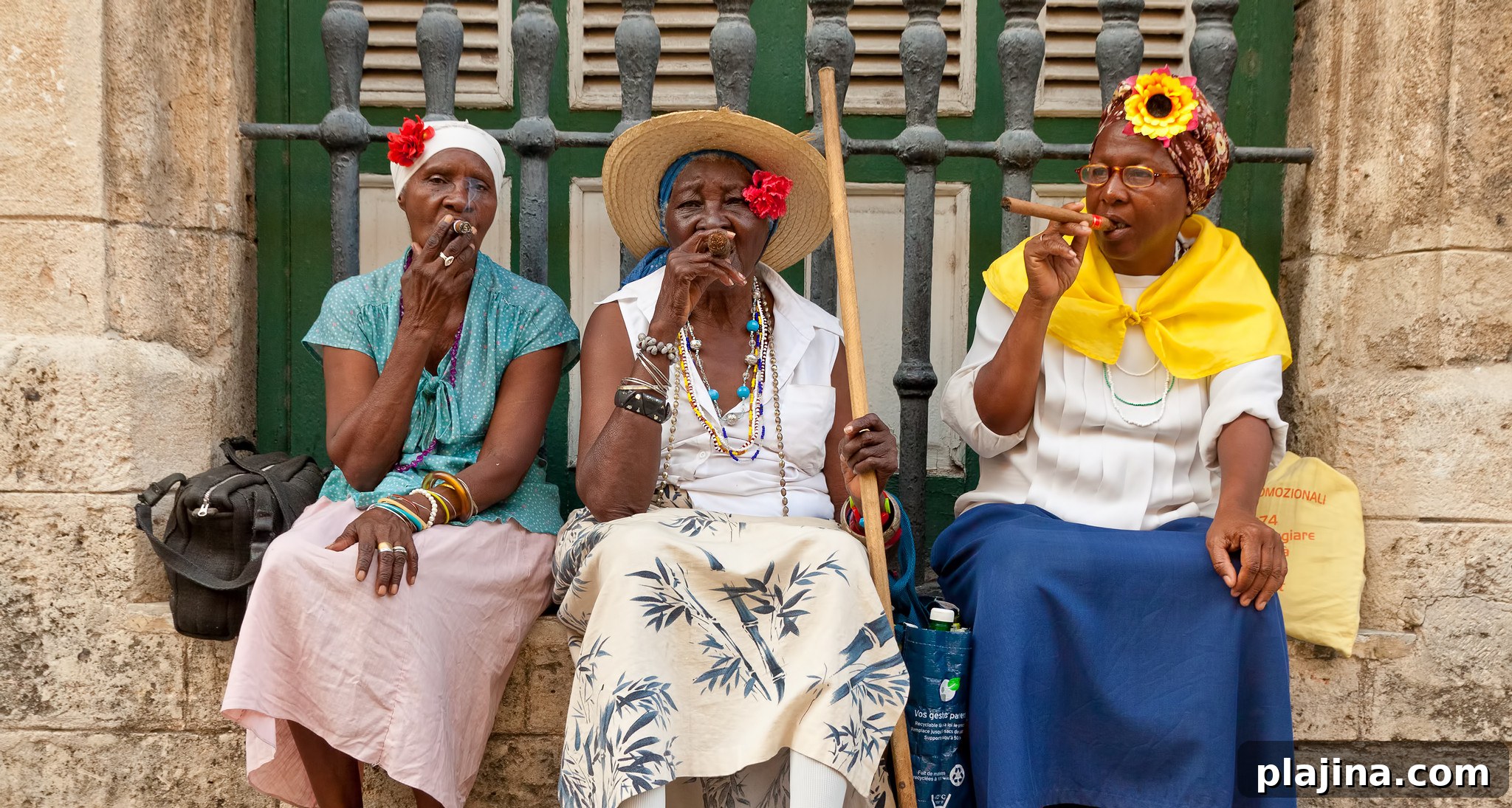
Tobacco culture remains a distinctive draw. From plantation visits that explain the cultivation process to workshops on rolling cigars, travelers can follow the tobacco trail and appreciate the craftsmanship behind one of Cuba’s most iconic exports. These tours often include conversations with growers and artisans who share generations-old techniques and the cultural significance of their trade.
Nature and outdoor activities also play a role in Cuba’s tourism offerings. The island’s diverse landscapes—from coastal beaches to verdant valleys—support eco-tourism and adventure options such as hiking, birdwatching, and snorkeling. Eco-conscious tours emphasize conservation and responsible travel practices, allowing visitors to enjoy natural beauty while supporting local initiatives.
When planning a trip, it helps to consider a balance of organized tours and independent exploration. Guided experiences can provide context and access to lesser-known sites, while free time allows for spontaneous discovery—strolling through neighborhoods, sampling street food, or striking up conversations with locals. This mix makes for a richer, more personal travel experience.
Whether your interests lie in history, gastronomy, music, or nature, Cuba’s evolving tourism scene is creating more opportunities for meaningful cultural exchange. With more flexible travel rules in place, travelers can take advantage of thoughtfully crafted itineraries that highlight the island’s distinct traditions and landscapes.
Read more at trazeetravel.com.