Bewitching and elusive Kyoto enchants visitors with a timeless blend of history and modern convenience. Located 228 miles west of Tokyo on Honshu, Kyoto preserves the atmosphere of old Japan within a careful, contemporary grid.
Wander the city and you’ll find winding stone alleyways leading to centuries-old ryokan (traditional inns), white-faced geisha slipping behind teahouse screens, and red paper lanterns glowing outside riverside restaurants along the Kamo River. At the same time, contemporary touches — a Starbucks, sleek hotels and a modern underground mall — sit comfortably alongside the historic streets. With a population of around 1.5 million, Kyoto presents many faces, and what you first see is often only part of the story.
Business in Kyoto reflects Japan’s preference for relationship-building and thoughtful pacing. Expect social interactions in teahouses, restaurants and bars before formal negotiations begin; these gatherings foster trust and let partners observe how you act in informal settings. Such rituals, while appearing casual, are an important part of Japanese corporate etiquette.
Japan is one of the world’s largest economies, though it struggled with deflation after the property bubble burst in the 1990s. Consumer prices remained relatively flat for many years, influenced by tax changes and commodity costs. In recent years, however, economic policies popularly known as “Abenomics” helped revive investor confidence. The central bank shifted toward looser monetary policy, the stock market strengthened, and real estate values began to recover.
Kyoto’s economy today includes information technology, electronics and manufacturing, while tourism plays a major role — drawing nearly 50 million visitors annually. The city’s cultural preservation owes much to the decision during World War II to spare Kyoto from bombing, leaving more than 2,000 temples and shrines intact. Traditional crafts persist in dark-wood shops producing tofu, wagashi (tea sweets), wooden combs and reed baskets. Kyoto is also famous for its gardens made of pebbles, moss and carefully clipped shrubs, and it is home to 17 UNESCO World Heritage sites, including Kinkaku-ji (the Golden Pavilion) and Ginkaku-ji (the Silver Pavilion).
Kyoto Train Station © Tupungato | Dreamstime.com
Although Kyoto does not have its own airport, Kyoto Station — a striking, modern transportation hub opened in 1997 — brings together Japan Railways, Kintetsu Railways and the Karasuma Subway line. From Kansai International Airport you can reach Kyoto by taxi, but fares are very expensive; a faster, more economical option is the Kansai Airport Express Haruka, which reaches Kyoto Station in about 75 minutes. The Kyoto Tourist Information Center is located on the station’s second floor.
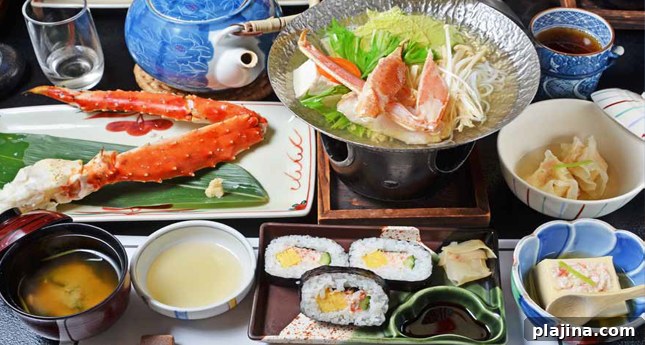
For an authentic experience, stay at least one night in a traditional ryokan. These inns often feature tatami straw-mat floors, cedar-scented baths, cotton futons and multicourse seasonal dinners known as kaiseki, a Kyoto specialty. Among Kyoto’s ryokan, Tawaraya stands out for its long family stewardship and meticulous service. Run by the same family for centuries, it offers guestrooms with unique antiques and garden views and serves kaiseki meals that are culinary artworks.
If you prefer modern comforts, the Hyatt Regency Kyoto provides business amenities in an elegant setting with attentive service. Dining options in the city range from Michelin-starred kaiseki venues to beloved local eateries. Kikunoi in the Gion-Maruyama district is renowned for its refined kaiseki, where the hush of a private garden and the sound of trickling water complement dishes such as mountain potato with sweet octopus and wasabi jelly. Ryozanpaku offers contemporary kaiseki creations like grilled amberjack; Kane-yo serves Kyoto-style grilled eel with a long local following; and Honke Owariya, famed for buckwheat soba, has catered to the imperial family and temple monks since 1465. Note that tipping is not customary in Japan.
Hospitality in Kyoto often means being invited to evening meals, drinks or performances, including music or kabuki. Many establishments function like private clubs and cultivate long-standing local relationships, so it is customary to let your host select the venue even when you are the one paying.
For culinary exploration, visit Nishiki Market, known as “the kitchen of Kyoto,” where more than 120 stalls and shops offer fresh ingredients and prepared foods along a lively stone alley. The market is ideal for sampling local specialties, buying snacks or enjoying tea. For some of Kyoto’s finest green tea, stop by Ippodo, a traditional teahouse and shop founded in 1717 and long associated with high-quality Japanese tea.
From the moment you arrive, you’ll notice how proud Kyoto residents are of their city. The place combines the conveniences of a modern metropolis with the charm and depth of its cultural heritage, offering a richly layered experience for every visitor.
Read more about geisha and maiko.