
Chef Mateo Castañeda brings vivid color and bold flavor to every plate. Now 33, his passion for food began on the lively streets of Caracas, Venezuela, and has carried him from street vendors to intimate dining rooms and, most recently, to the kitchens of European Waterways’ barge ships, where he crafts culinary experiences that reflect both his heritage and his travels.
Castañeda studied culinary arts at the Hotel Escuela de Los Andes Venezolanos and has spent more than 14 years refining his craft around the world. At 23 he opened his first restaurant in Palma de Mallorca, which flourished for three years until a local ban on outdoor terraces made the business unsustainable. He then broadened his skills and inspiration in kitchens from Udine, Italy, to Aying, Germany, absorbing regional techniques, ingredients and traditions along the way.
His wanderlust eventually led him to the specialized world of cooking on private yachts and hotel barges. He first joined European Waterways aboard the Enchanté in the South of France and later cooked on L’Art de Vivre in Bourgogne. Today, guests aboard Panache in Alsace and Lorraine enjoy menus shaped by his Venezuelan roots and international influences.
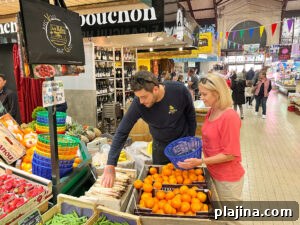
© Mateo Castaneda
WHICH FOOD IS YOUR GUILTY PLEASURE? AND ON THE OPPOSITE END OF THE SPECTRUM, WHAT IS ONE INGREDIENT OR FOOD YOU HATE TO USE?
My guilty pleasure is a Caracas classic: perro con todo. This Caracas-style hot dog from a legendary street vendor is piled high with a dizzying array of sauces and toppings. It’s a nostalgic, joyful bite of home that never fails to lift my spirits. I try not to dismiss any ingredient outright—every item has its place in the culinary world—but if I had to name one I’m less drawn to, it would be tofu. It’s versatile, but it isn’t my personal favorite.
WHAT DISHES WOULD YOU SERVE AT A PRIVATE DINNER PARTY?
My menus follow the seasons. In summer I’d begin with a fruit-forward gazpacho—peach, apricot or nectarine—paired with creamy burrata or delicately cured fish. The main course might be a delicate white fish finished with beurre blanc, accompanied by simply roasted vegetables, a potato terrine or a vibrant ratatouille. For dessert, a classic fondant au chocolat fits any celebration, or a slow-cooked rhubarb in apple juice and ginger served with white chocolate–yogurt soup, fresh strawberries and a crisp tuile highlights seasonal fruit.
In winter I favor deeper, more luxurious flavors. A starter could be salt-cured foie gras pickled in red wine, served with crispy brioche and fig jam. For the main, I’d present a roulade filled with a mushroom farce, alongside celeriac purée, noisette butter emulsions, roasted red and yellow peppers and a drizzle of green oil. Bold in taste and colorful in presentation, this dish—named “Pollock’s Style”—is my edible nod to the painter Jackson Pollock.
WHAT WAS THE FIRST MEAL YOU EVER PREPARED ON YOUR OWN?
My culinary path started at 14 with beef stroganoff, a dish I loved almost as much as the hot dogs of my childhood. Even earlier, I was making sandwiches inspired by my father, a master of layering flavors. Those early kitchen experiments taught me to be adventurous with tastes and textures.
IF YOU COULD DESCRIBE YOUR PERSONAL STYLE IN ONE DISH, WHICH DISH WOULD IT BE AND WHY?
My style is free-spirited, vibrant and unapologetically colorful. I devote special attention to starters, where emulsions and striking colors set the tone. A mentor once told me, “Color equals flavor,” and that philosophy guides my cooking: food must be as beautiful as it is tasty, with the primary ingredient always taking center stage. I favor restraint—less is more—while ensuring every element is executed with precision so each component can shine.
WHAT CULINARY TREND WOULD YOU LIKE TO SEE DISAPPEAR?
Trends reflect the moment, and I respect the innovation they bring. Still, I’d welcome a shift back toward fundamentals: fewer processed shortcuts and more guisar—the slow, soulful art of stewing and careful, time-honored cooking. Keeping the heart of cuisine alive means celebrating simple, honest techniques and seasonal, well-sourced ingredients that let true flavor speak.