
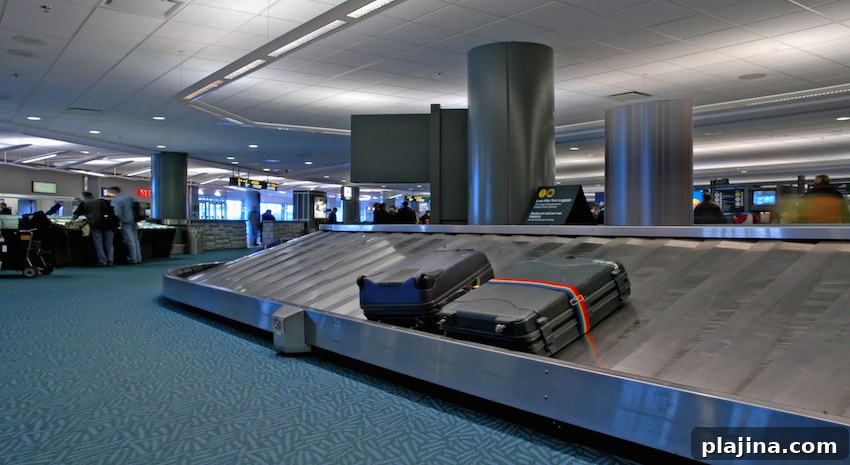
Baggage fees frustrate many travelers who may pay $25 or more to check a bag, and the annoyance grows when those bags fail to appear on the carousel at baggage claim.
The White House has proposed new rules that would require airlines to refund checked-baggage fees when luggage is “substantially delayed.” The proposal does not yet define precisely what constitutes “substantially,” leaving details to be clarified in rulemaking and implementation.
Airlines must already refund fees if luggage is lost or damaged. Transportation Secretary Anthony Foxx noted that refunding fees for lengthy delays is a logical extension of that policy: if a passenger pays a baggage fee but does not receive their bags within a reasonable time, they have effectively paid for a service they did not receive.
Industry representatives counter that some carriers already provide compensation for delayed bags, often reimbursing passengers for necessary clothing and essentials purchased while waiting for delayed luggage. Those airlines say additional regulation may be redundant where policies and customer service procedures already exist.
The White House is also advancing other consumer-oriented proposals aimed at addressing frequent passenger complaints. One focuses on travel-booking websites that let customers compare ticket options. These sites sometimes alter the ranking of airlines in search results according to payments or undisclosed incentives, which can mislead consumers. The proposed rule would require such sites either to treat airlines neutrally in search rankings or to disclose any incentives clearly so customers understand how results are ordered.
Another proposed change would expand transparency about airlines’ on-time performance. Today, major carriers are required to report on-time data only for flights they operate directly. That requirement excludes many flights operated by regional partners under the major carriers’ brand. The proposed rule would seek to ensure that on-time performance data reflect the full travel experience by including flights operated by regional carriers on behalf of the larger airlines, giving passengers a more complete and accurate picture when choosing flights.
Taken together, the proposed rules aim to strengthen protections for travelers by improving accountability for baggage handling, clarifying how travel options are presented online, and broadening reporting on flight reliability. Details and timelines for implementation remain subject to further development and public comment as regulators refine the proposals.