In the mountains of Andalusia, about an hour west of Marbella, the ancient city of Ronda perches above a deep, cobbled gorge that bursts with flowers and history. Three historic bridges span the Guadalevín River as it cuts through the El Tajo canyon; the most famous, the Puente Nuevo (New Bridge), was built between 1751 and 1793 and remains an iconic symbol of the town’s dramatic setting.
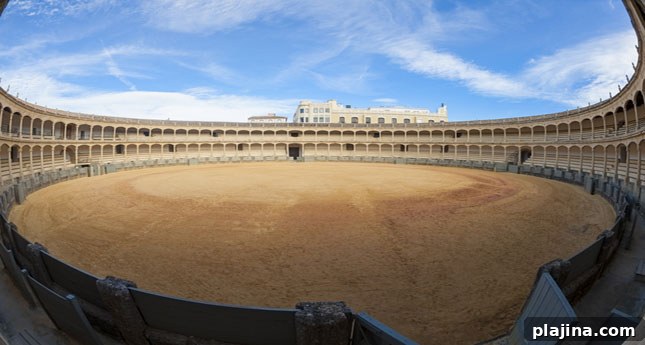
Ronda’s history stretches back to the 6th century B.C., when Celtic settlers first occupied the area, followed by Phoenicians and Romans. The town later attracted notable cultural figures such as Orson Welles and Ernest Hemingway, drawn by Ronda’s atmosphere and its ornate bullring, the Plaza de Toros de Ronda. Today the bullring houses a museum with an extensive display of ceremonial saddlery and attire, including the distinctive manoleto shoes associated with the famed matador Manolete.
The Plaza Duquesa de Parcent, bordered by three churches, is a study in contrasts. It was the original venue for the town’s bloody bullfights, where high balconies and patterned stone courtyards offered cloistered viewing spaces for prominent clergy and dignitaries to observe the brutal spectacle from a distance.
Less dramatic but rich in local lore, the Museo del Bandolero documents the lives of the bandoleros who once roamed the mountain roads around Ronda. Exhibits include newspaper clippings, wanted posters, artifacts, documents, weapons and photographs that illustrate the consequences of capture. The museum also highlights the films and literature inspired by the most notorious bandoleros—figures such as Diego Corriente, José María “El Tempranillo” and El Tragabuches—who were often romanticized for their rebellious stance and perceived efforts at social change.
Ronda’s layered past and striking geography combine to create a town where every cobblestone and viewpoint tells a story. Visitors can wander its narrow streets, cross its venerable bridges, and explore museums that preserve both celebrated and turbulent chapters of Andalusia’s cultural history. Whether drawn by architecture, literary associations, or tales of outlaws and matadors, travelers find Ronda a compelling destination that balances picturesque beauty with centuries of human drama.