
BRUSSELS
From a fortified town in the 10th century to a vibrant modern capital, Brussels is now the capital of Belgium, the de facto capital of the European Union and home to about 1.1 million residents in its metropolitan area. Nicknamed the “European Village,” the city is far more than chocolate and beer: it is an international political center hosting many EU institutions and NATO headquarters. Bilingual in French and Dutch, Brussels offers a rich mix of history, culture and contemporary life.
GETTING THERE
Brussels Airport (BRU) lies roughly 10 miles (16 km) from the city center and is well connected to international destinations. Several airlines offer direct flights to major cities, including transatlantic routes. From the airport, multiple transport options serve the center: regular buses run every 20–30 minutes, an express airport bus links to Gare Centrale, and regional trains reach central stations within about 20–30 minutes. Taxi stands are available outside arrivals; authorized airport taxis often display airport identification and typically charge less than independent vehicles. Prices and schedules vary, so check current timetables before travel.
GETTING AROUND
Brussels has an extensive public-transport network operated by the city’s transport authority, including metro, tram and bus services. Single fares, day passes and multi-day options make it easy to tailor travel to your plans. The compact historic center is highly walkable, and bicycle rentals are widely available for short trips or longer explorations. Taxis and rideshares are also an option, with fares generally calculated from a base charge plus distance and waiting time.
TOP ATTRACTIONS
Grand-Place
This majestic square, a UNESCO World Heritage site, is framed by ornate Baroque and Gothic guild houses that trace their origins to a medieval merchants’ market. Today Grand-Place is a lively hub with terrace cafés, a seasonal flower market, and frequent cultural events. The Gothic Town Hall, with its striking spire, is a highlight of the square.
Manneken Pis
The small bronze statue of a boy at a fountain has been a well-known symbol of Brussels since the early 17th century and reflects the city’s playful spirit. Located near Rue de l’Étuve and Stoofstraat, the statue is often dressed in one of its many costumes; a selection of these outfits is exhibited at the Museum of the City of Brussels.
Town Houses of Victor Horta
Recognized as a UNESCO World Heritage site, the principal town houses by Victor Horta — including Hôtel Tassel, Hôtel Solvay, Hôtel van Eetvelde and Maison & Atelier Horta — are seminal examples of Art Nouveau design. Their open plans, sinuous lines and innovative use of light mark Horta as a pioneer of the movement. Visitors can explore Horta’s life and work at the Horta Museum.
EVENTS AND FESTIVALS
Christmas Market
Each winter, Brussels fills with festive stalls stretching from the Stock Exchange (Bourse) to the fish market (Marché aux Poissons) and Place Sainte-Catherine. The market features seasonal food, crafts, live entertainment and an ice-skating rink that contribute to a lively holiday atmosphere.
Flower Carpet
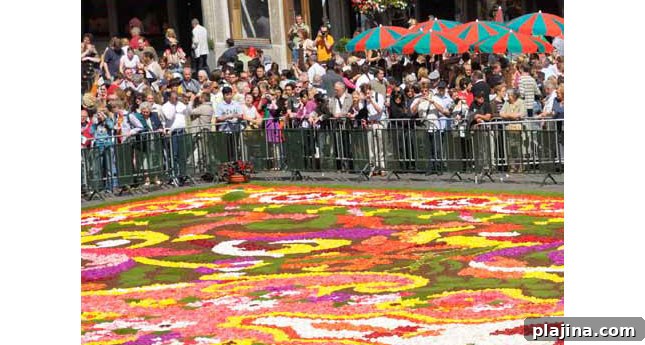
Held in Grand-Place on a biennial basis, the Flower Carpet is a spectacular display of begonias arranged in intricate patterns. The project involves large-scale planning starting many months in advance and draws visitors from around the world for the few days it is on display.
Ommegang Festival
A historic pageant dating back to the 16th century, Ommegang occurs in early July and commemorates the entry of Emperor Charles V. The event features a colorful procession with over a thousand participants in period costume, parades through central squares and traditional performances that celebrate Brussels’ heritage.
RESOURCES
For current visitor information, local events and practical tips, consult official Brussels tourism resources and city guides to plan your stay and confirm opening times, transport schedules and ticketing details.