
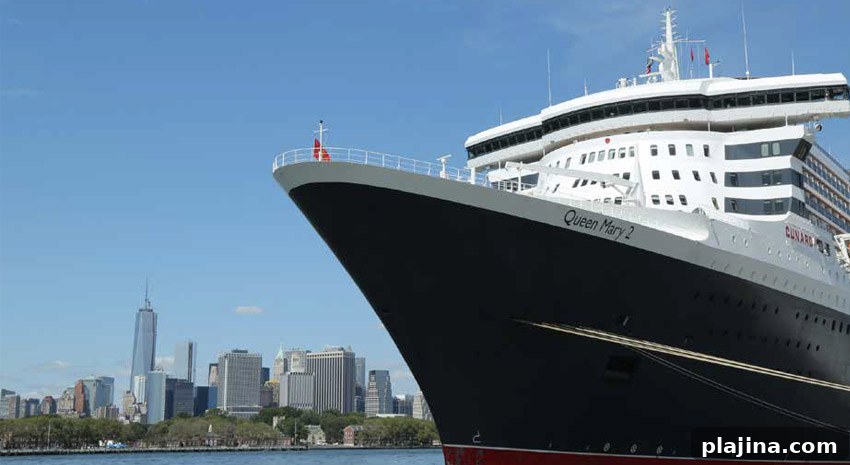
Airports are often a practical gateway for business and travel, while cruise terminals usually mark the beginning of a vacation, where passengers focus on leaving daily stress behind and embracing leisure.
Because cruises are primarily about relaxation and recreation, terminals tend not to emphasize business-oriented amenities. For example, the NYCruise site provides little information about Wi‑Fi or work-friendly features, reflecting the expectation that most cruise travelers want to disconnect rather than log on.
The Brooklyn Cruise Terminal is now a companion to the Manhattan Terminal as one of New York City’s main cruise gateways. Together they serve hundreds of thousands of passengers each year.
The Brooklyn Cruise Terminal opened in April 2006. In its inaugural year it welcomed 40 different ships and immediately earned recognition from cruise lines and industry publications. Princess Cruises named it Cruise Terminal of the Year, and Porthole Cruise Magazine hailed it as the Best New Homeport. In 2011 the terminal received further industry praise for efficient operations and strong passenger experiences, including awards for Most Efficient Terminal Operations, Best Turnaround Port Operations, Most Improved Port Facilities, Most Efficient Port Services, and Best Destination Experience. That sustained acclaim helps explain the terminal’s popularity with travelers and cruise lines alike.
The facility includes roughly 200,000 square feet of flexible space, allowing cruise operators to arrange check‑in, boarding and waiting areas to suit each ship’s needs. The spacious layout also gives passengers room to stretch out and relax before departure.
Situated in the Red Hook neighborhood of Brooklyn, the terminal benefits from a waterfront location and a neighborhood character that complements the cruise experience. Red Hook offers a mix of local food and drink, a lively arts scene, and waterfront views—appealing to both local visitors and out‑of‑town passengers who arrive early.
Travelers who come to Red Hook with extra time—whether just a few hours or a few days—will find plenty to explore. Popular local offerings include seafood, distilleries and small galleries, all contributing to a distinctly Brooklyn atmosphere. When passengers are ready, the terminal is nearby and prepared to begin the cruise portion of the trip.
Just as airports vary depending on their city and clientele, cruise terminals reflect the places they serve. Although Manhattan and Brooklyn terminals are part of the same New York port, each has its own character. Both handle numerous departures each year and provide urban access to cruise itineraries, but the Brooklyn Terminal’s location outside the busiest Midtown areas gives passengers a chance to experience a different side of New York before setting sail.