
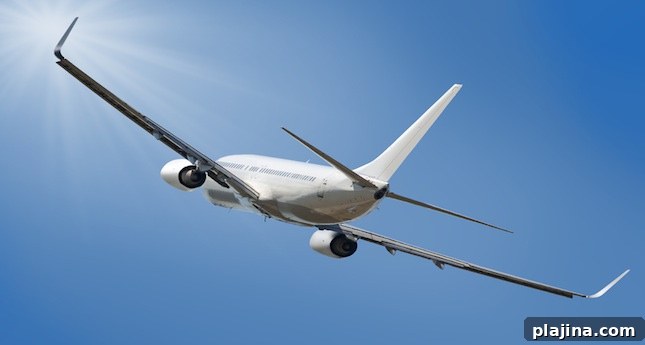
Boeing announced a replacement for its current 737 fleet: the 737 MAX. This updated version of the aircraft introduces a range of passenger-focused improvements — including extra overhead bin space, a redesigned light switch less likely to be mistaken for the attendant call button, and modest increases in legroom — while delivering substantial efficiency gains behind the scenes.
The most significant changes are aerodynamic and structural. The 737 MAX features redesigned winglets that reduce drag and a lighter-weight airframe, which together make the aircraft markedly more fuel-efficient and environmentally friendly. These improvements allow the 737 MAX to outperform even some newer models: Boeing has compared the MAX’s efficiency favorably to the Dreamliner introduced recently.
Fuel savings are a major benefit. Boeing estimates that a fleet of one hundred 737 MAX aircraft would cut annual fuel consumption by roughly 250 million pounds. That reduction translates into material cost savings for operators — Boeing projects about $112 million saved on fuel for that amount of reduction — and also lowers carbon emissions per flight compared with older 737 variants.
In addition to fuel economy, the 737 MAX will include quieter engines and improved range thanks to its lighter weight and aerodynamic refinements, enabling airlines to serve longer routes without a large increase in operating cost. For passengers this can mean more nonstop options and a quieter cabin environment during flight.
Whether airlines will pass some of these operating-cost savings on to travelers in the form of lower fares is uncertain. Historically, declines in fuel cost have sometimes coincided with reduced airfares, but fare changes depend on many factors beyond fuel alone, including competition, route demand, and airline pricing strategy.
Overall, the 737 MAX aims to combine modest passenger comforts with meaningful efficiency and environmental improvements, making it an attractive option for carriers looking to reduce operating costs and extend route flexibility while offering incremental enhancements to the passenger experience.