
Just as consumers have grown familiar with terms like “sustainable” and “organic” in grape growing, a new label is gaining attention in the wine world: biodynamics. Rooted in principles introduced by Austrian philosopher Rudolf Steiner in the 1920s, biodynamics draws from older agricultural traditions while aiming to shape a modern, holistic approach to viticulture.
Like organic farming, biodynamic viticulture prohibits synthetic pesticides and chemical fertilizers. But biodynamics goes further, incorporating a spiritual and astronomical dimension: vineyard and cellar activities are often scheduled according to lunar and celestial cycles, and specific preparations made from natural materials are applied to soils and composts. These preparations include cow manure placed inside cow horns and buried in the vineyard around the equinox, ground quartz in horns buried during summer, and plant-based treatments such as yarrow flowers stored in animal bladders, exposed to the sun, and later incorporated into compost. The intent behind these practices is to strengthen the vitality of the soil and vines and to produce grapes that reflect their terroir more clearly.
Advocates argue biodynamic methods yield wines that are cleaner and more expressive of their soil, vintage, and environment. Critics and skeptics point out the ritual elements and question whether those practices deliver measurable benefits beyond what well-executed organic or sustainable farming can achieve. The real test, for many wine lovers, is the glass itself.
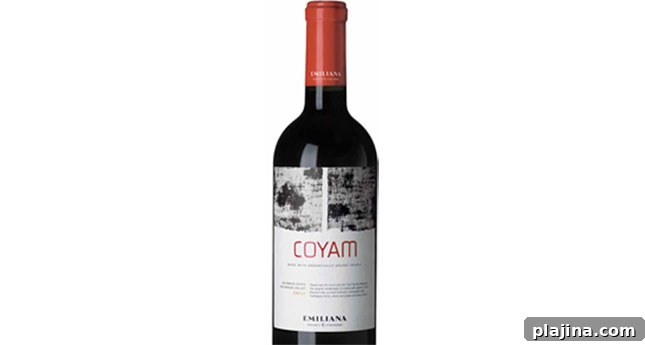
Tasting biodynamic wines produces mixed impressions. Some examples show clarity but a tendency toward neutrality; others demonstrate remarkable depth and character. For instance, at an Italian estate I sampled biodynamic bottlings that were technically clean but lacked distinctive personality. By contrast, Coyam, a biodynamic red from Emiliana in Chile, presents a striking profile: deeply colored, intensely flavored, and dominated by dark fruit and vanilla notes. It is full-bodied, complex, and elegantly balanced — characteristics that may stem from excellent winemaking, the site, or the biodynamic approach, or from a combination of all three.
In Austria, Meinklang Winery’s biodynamic wines impressed with their vivid expression and structure. Their Blaufränkisch, for example, offers a rich, shaded color and an aromatic profile of cherries and wild herbs that feels both vibrant and rooted in place. Other notable estates that have adopted biodynamic practices include Maison Joseph Drouhin, Domaine Leroy, and Domaine Leflaive in Burgundy; Zind-Humbrecht in Alsace; and Raymond and Benziger in California. Today there are estimated to be well over 500 biodynamic wineries worldwide, a number that continues to grow as interest in alternative farming practices rises.
Is biodynamics a passing fad or the future of winemaking? The answer depends on how one weighs ritual and philosophy against practical outcomes in the vineyard and the cellar. For some producers, biodynamic practices are a framework for attentive, low-intervention farming that enhances vineyard health and wine character. For others, biodynamics is one of many tools — alongside organic, sustainable, and conventional methods — that can be used to craft excellent wines. Ultimately, the most persuasive argument for biodynamics will continue to be the wines themselves: those that captivate with depth, balance, and a clear sense of place will keep consumers and winemakers curious about these methods, while others will fuel the ongoing debate about what truly makes a great bottle of wine.