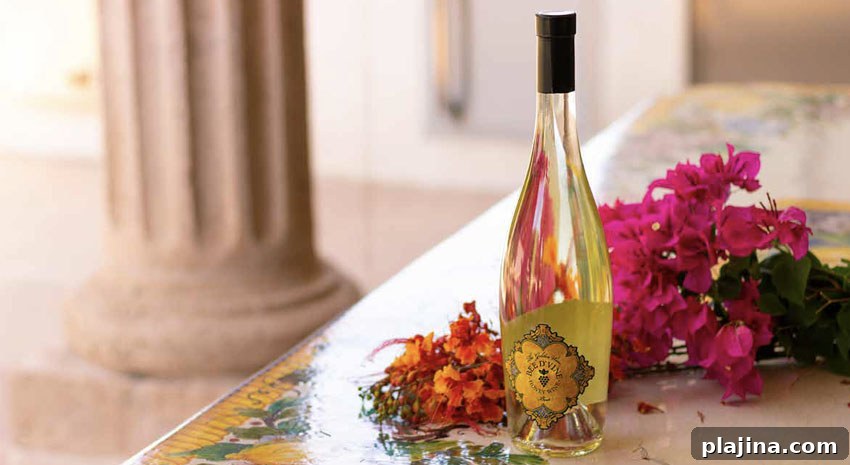
“Don’t call it mead,” Ayele Solomon said. “It’s honey wine, the world’s oldest fermented drink.”
That’s the term the conservationist-turned-winemaker uses for the beverage he produces in Sonoma County. Born in Ethiopia, where honey wine—known as t’ej—has been a national drink for more than 2,000 years, Ayele moved to the United States at age 12. After completing a master’s degree, he worked in environmental and rural development before turning his focus to crafting honey wine.
His label, Bee D’Vine, clearly identifies the product as “honey wine.” Unlike grapes, which ripen in the fall, honey is typically harvested in April. Ayele follows a minimal, traditional approach to fermentation: honey, water and yeast. After fermentation, he ages his wines for 10 to 15 months in wine barrels. Other producers often add fruit, herbs or spices and may produce higher-alcohol beverages; Bee D’Vine finishes at a moderate 12.5 percent alcohol by volume.
Bee D’Vine is produced in two styles: brut and demi-sec. The brut expression is notably dry despite its honey base. A light vanilla note, derived from oak aging, mixes with almond tones to create a fragrant, clear wine with a velvety texture.
The demi-sec, Ayele’s sweeter offering, displays a floral perfume and a hint of almond. It has a full, appealing body and, true to its name, a semisweet profile. Both wines deliver pronounced honey character in aroma and flavor, with a lingering finish that reflects their source ingredient.
Bee D’Vine bottles are available in two sizes: a 375 ml half-bottle for $25 and a 750 ml full bottle for $40.
Ayele is among a growing number of Americans producing wine from honey. Industry estimates suggest roughly 120 other producers are crafting similar beverages. Many of those artisans identify as meadmakers and often ferment honey with additional ingredients, using the Old English term “mead.” Ayele prefers to emphasize the clarity of his product: true honey wine made solely from honey, water and yeast, in the longstanding tradition of t’ej.