
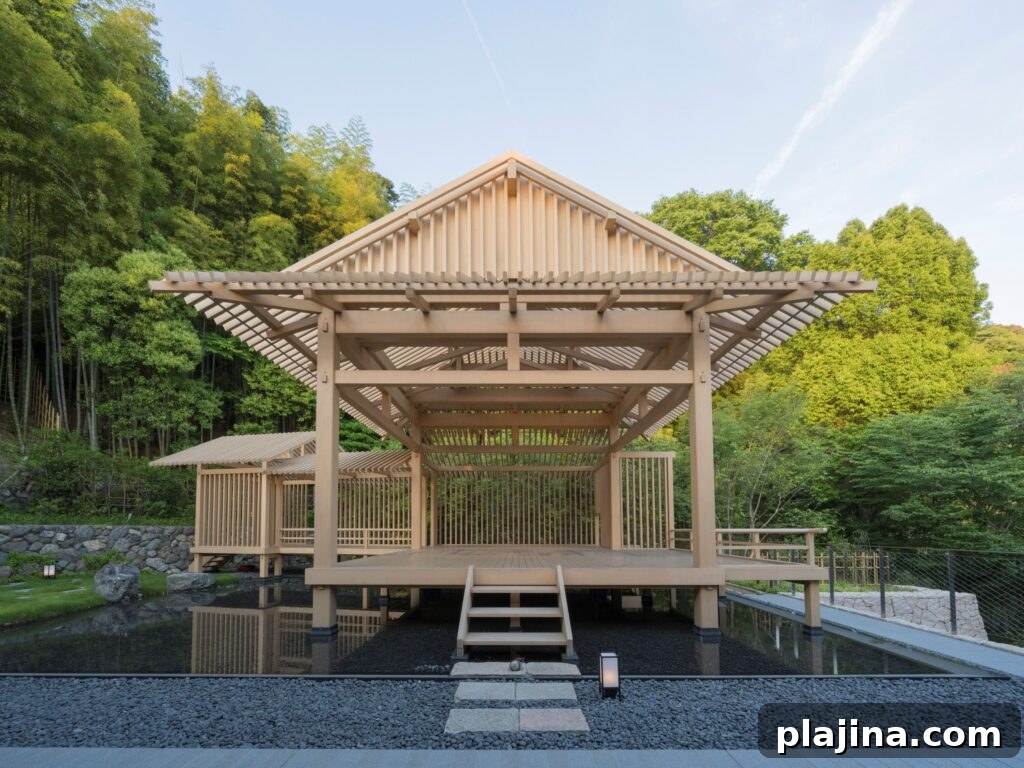
The August 2024 opening of Banyan Group’s flagship Banyan Tree hotel in Japan marked an important milestone for the brand. Situated in Kyoto’s historic Higashiyama neighborhood, the property features 52 elegant guestrooms, a respected Banyan Tree Spa, a natural onsen (hot spring), and two distinctive dining venues. It is also the only hotel in Kyoto with its own Noh stage—Noh being Japan’s oldest theatrical art form that blends music, dance and drama.
© Banyan Tree Higashiyama Kyoto
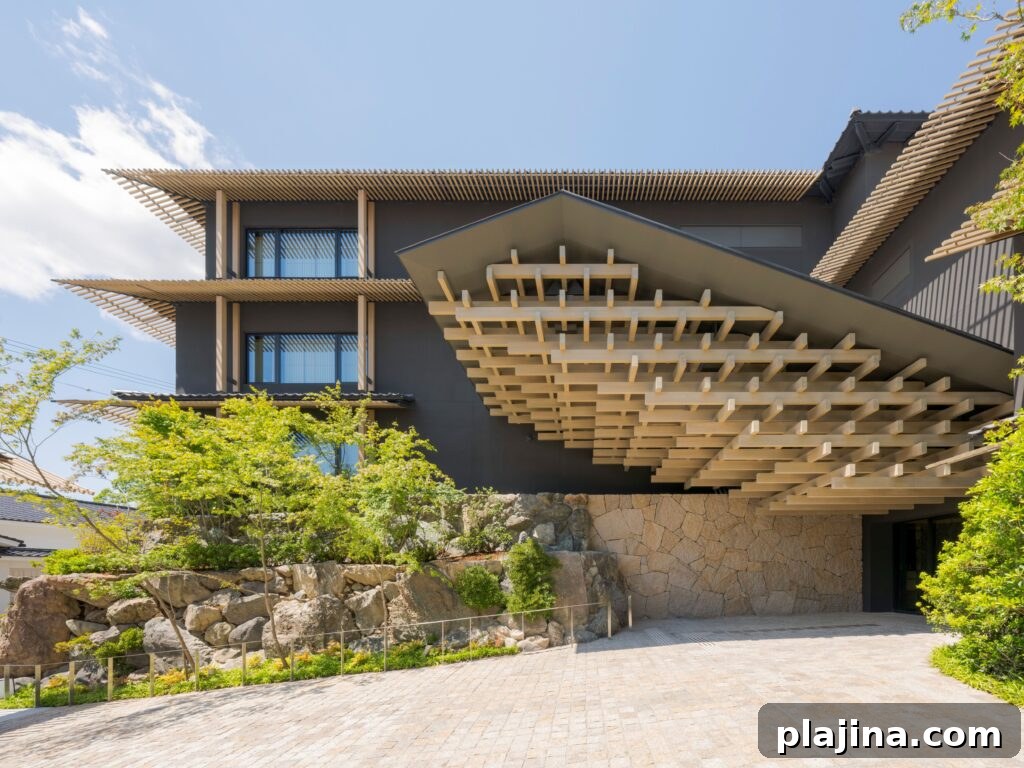
Perched on a hill just steps from the UNESCO World Heritage site Kiyomizu-dera Temple, Banyan Tree Higashiyama Kyoto combines traditional Japanese architecture with contemporary refinement. The hotel is framed by a bamboo grove and the serene Higashiyama Mountains, creating a peaceful setting that highlights Kyoto’s timeless atmosphere.
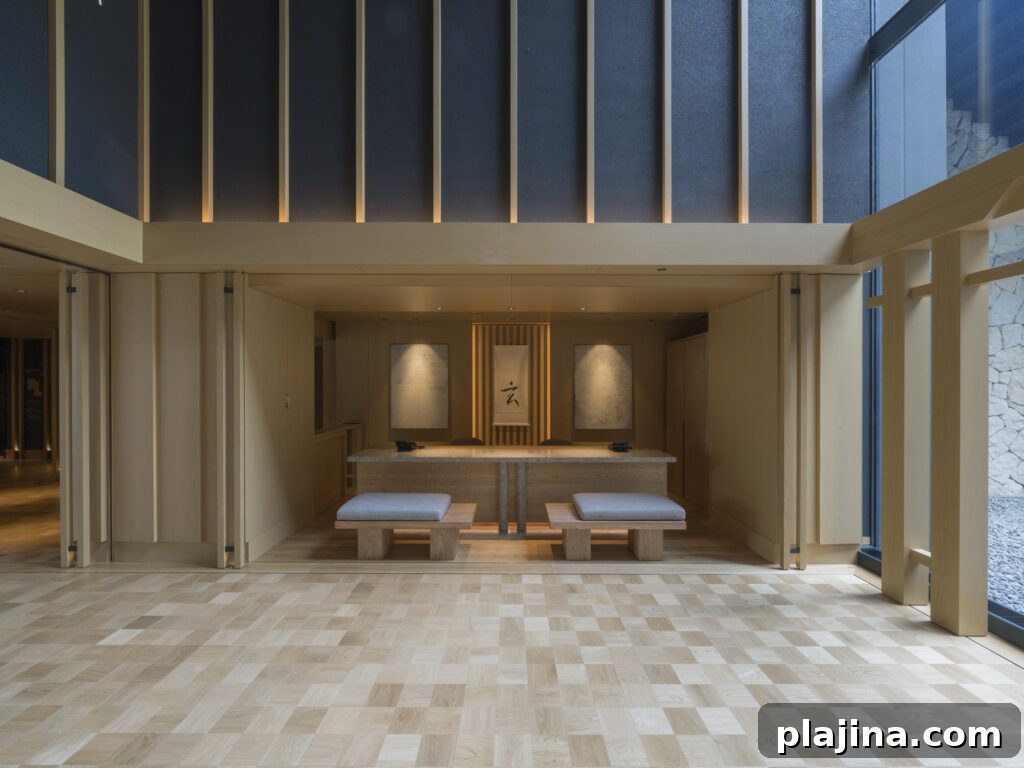
Rooted in the subtle aesthetic of Noh theater and the Japanese concept of yūgen—an understated, mysterious beauty—the hotel aims to provide a tranquil retreat where design and service encourage quiet reflection. Renowned architect Kengo Kuma led the design, ensuring the building integrates naturally into its surroundings.
© Banyan Tree Higashiyama Kyoto
Kengo Kuma’s approach combines traditional Japanese construction techniques with contemporary elements, producing a façade that complements the Higashiyama landscape. Natural materials such as cypress wood and expansive windows let the mountains and gardens visually flow into the interior, reinforcing a strong sense of place.
Local artisans restored the gardens and bamboo grove, strengthening biodiversity while preserving Kyoto’s craft traditions. Guestroom interiors, designed by Yukio Hashimoto, blend traditional techniques and modern natural materials: Hiba wood soaking tubs, tatami flooring, warm timber finishes and subtle gold leaf touches create a sensory, calming environment.
© Banyan Tree Higashiyama Kyoto
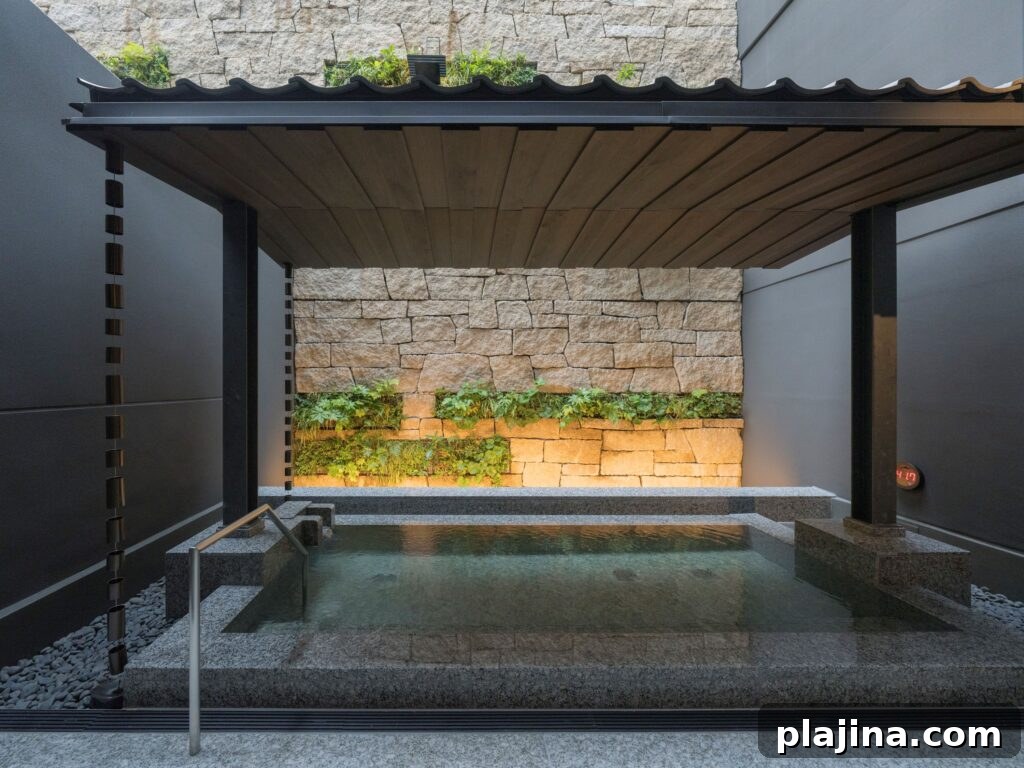
Room options include accommodations with panoramic views over Kyoto and Onsen Retreat suites that feature private onsen baths overlooking a small garden, a bamboo grove or the Noh stage—offering privacy alongside a connection to the surrounding landscape.
Dining centers on Ryozen, an intimate kappo-style restaurant seating 48 guests, with a private room for up to 10. The chef’s kaiseki menu highlights regional ingredients such as Kyo-Yasai (Kyoto vegetables), local miso and seasonings like black shichimi. The restaurant’s signature dashi—a layered broth—uses five-year-aged rishiri kelp, finished with bonito and tuna flakes to create a deep, savory character.
Bar Ryozen is a small, atmospheric space with 20 seats, showcasing an extensive selection of Japanese sake and crafted cocktails. Sake tasting sets feature more than 30 local and premium selections, including rare bottlings. Pre-dinner cocktails incorporate local flavors—examples include a green tea gin and tonic and a mirin-based cocktail—as well as Japanese whiskies.
© Banyan Tree Higashiyama Kyoto
Banyan Tree Spa at Higashiyama Kyoto offers treatments designed for relaxation and renewal, incorporating onsen baths and steam saunas. Guests can also use the gender-separated public onsen facilities for a traditional bathing experience.
Guests may arrange a private visit to master artisan Mitsue Nakamura’s studio to observe the intricate process of crafting Noh masks—an opportunity to witness a living tradition tied to the hotel’s cultural focus.