
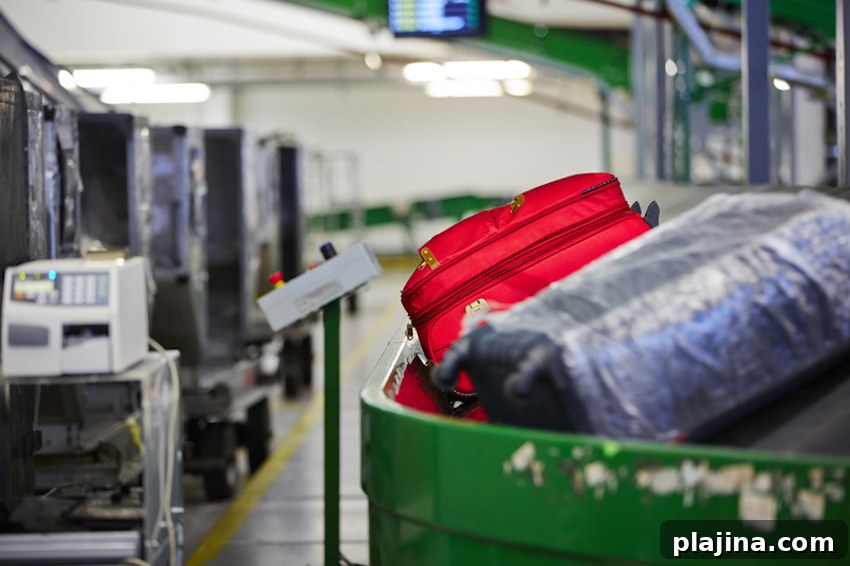
Over the last four years, airlines have significantly increased revenue from baggage fees, rising from $13 billion in 2014 to $28.2 billion in 2018.
A new industry report estimates total ancillary revenue—charges for services beyond the base fare—at roughly $94 billion. As more carriers, particularly in Europe and North America, unbundle fares, passengers increasingly pay extra for add-ons such as early boarding and seat selection. The findings come from a study by consultancy IdeaWorks Company and transport firm CarTrawler.
Baggage-related charges have been among the most lucrative ancillary streams. These fees cover checked-bag charges, surcharges for oversized or overweight bags, and in some cases charges related to carry-on access to overhead bins.
“The value of airlines’ a la carte revenue, or optional extras that customers can add to their basic airline fares, has risen dramatically in recent years, growing by 128 percent between 2014 and 2018,” said Aileen McCormack, chief commercial officer at CarTrawler. “It is therefore unsurprising that baggage fee revenue has increased by a similarly large margin, both in absolute terms and as a share of global airline revenue.”
The report examined the top 20 full-service airlines and found only about half still include checked baggage for all passengers. The remainder charge extra for checked bags across part or all of their route networks.
Carriers that do not levy additional checked-baggage fees tend to be concentrated in the Asia-Pacific and Middle East regions.
The report notes that the heavy reliance on bag fees in Europe and North America is closely linked to the large presence of low-cost carriers, which commonly unbundle services and charge for amenities that traditional full-service airlines once bundled into the fare.