
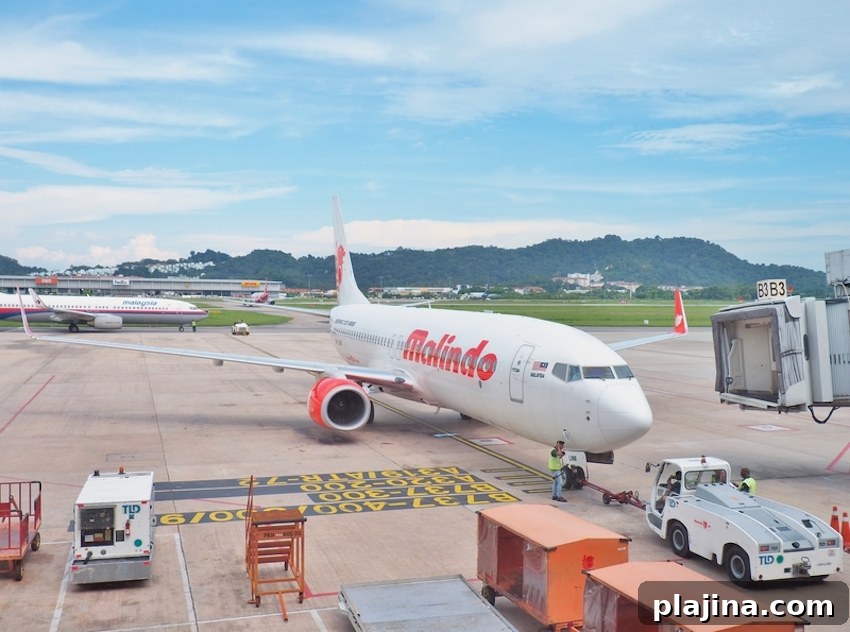
The Australian Federal Police arrested several Malindo Air flight attendants and other individuals after a six-month investigation, codenamed Operation Sunrise, into an alleged drug-smuggling ring that transported large quantities of heroin and methamphetamine from Asia into Australia.
Authorities say the syndicate was highly organized and linked to a Vietnamese crime group based in Melbourne. Investigators allege the flight crew concealed drugs on their bodies and made at least 20 trips as part of the operation.
Assistant Commissioner Tess Walsh of the Australian Federal Police’s Crime Command reported the seizure of 8 kilograms (about 17 pounds) of heroin, which was given an estimated street value of $10.5 million and equated to roughly 42,000 street deals. Officers also recovered around 6 kilograms (approximately 13 pounds) of methamphetamine with an estimated street value of $4.6 million, about half a kilogram of cocaine, a number of vehicles including a Porsche, and a significant sum of cash.
Malindo Air issued a statement saying the airline is prepared to cooperate with authorities in both Australia and Malaysia. The carrier characterized the incident as isolated and confirmed that the cabin crew member involved has been suspended with immediate effect pending potential termination.
The arrests are part of broader efforts by Australian law enforcement to disrupt organized drug importation networks operating across international borders. By targeting airline staff and syndicate members, investigators aim to curb the movement of illicit drugs into local communities and dismantle the support structures that enable repeated smuggling trips.
Operation Sunrise highlights the risks posed when criminal groups exploit international travel and aviation staff to traffic narcotics. Law enforcement agencies often rely on intelligence, surveillance and targeted operations to identify patterns of behavior, uncover concealment methods, and intercept shipments before they enter distribution channels.
Those arrested will face criminal proceedings under Australian law. The case also raises questions about vetting, oversight and monitoring within airlines, and may prompt carriers to review internal procedures for staff recruitment, baggage checks and security awareness training to reduce the risk of future exploitation.
Community and policing responses to high-value seizures like this typically involve collaboration between federal, state and international partners to trace financial flows, link recovered assets to criminal networks, and pursue prosecutions against organizers as well as couriers. The goods seized in this operation represent a significant disruption to the alleged syndicate’s supply and potential earnings.
As the investigation continues, authorities will likely provide further details during court proceedings or official briefings. For now, the arrests and seizures serve as a reminder of the persistent challenge of transnational drug trafficking and the ongoing work by law enforcement to protect public safety.