
In 1967, Atlanta architect and developer John Portman gave the city a defining civic landmark. It wasn’t as tall as the Empire State Building or as iconic as the Golden Gate Bridge, but the Hyatt Regency Atlanta introduced innovations that reshaped hotel design worldwide. With the first expansive atrium lobby and a revolving top-floor restaurant, the hotel transformed corridors into balconies and turned lobbies into places for “indoor sightseeing,” where guests watched glass-bubble elevators glide past ferns and fountains.
More than four decades later, the atrium lobby is a familiar feature in hotels around the world, and the Hyatt still anchors downtown Atlanta. Its blue-domed top is now dwarfed by a growing skyline. Atlanta, long known for urban sprawl and lengthy commutes, has been changing: in recent years the city has grown upward, with new luxury hotels, high-rise condominiums and towering office buildings. That vertical momentum is most evident in the four fashionable square miles of Midtown.
When the Hyatt opened, Midtown was struggling. It was a patchwork of aging houses, scattered restaurants and a handful of cultural institutions, often referred to then as “the hippie strip.” Crime rose, residents moved to the suburbs, and the neighborhood fell into decline. Colony Square — the South’s first mixed-use development — was one early sign of renewal, but real transformation came later.
The revival gained visible steam in the mid-1980s with the arrival of One Atlantic Center, a 50-story skyscraper that for years was the tallest building in the Southeast. I remember watching a helicopter set a copper spire in place when I was a child. Since then, Midtown has added roughly 22 million square feet of office space and become home to corporate operations for numerous Fortune 500 and 1000 companies, including Equifax, The Coca-Cola Company, AT&T, Invesco and major financial institutions. Law firms, technology companies born in the internet boom and even the Atlanta branch of the Federal Reserve relocated to the area, fueling further growth.
Today’s focus is the mixed-use Midtown Mile. Modeled on Chicago’s Magnificent Mile and New York’s Madison Avenue, this initiative will add roughly 1 million square feet of street-level retail across 14 blocks of Peachtree Street between Downtown and Buckhead. The project targets the 20,000 people expected to move into the neighborhood over the next seven years and aims to create a continuous, walkable urban corridor that blends shopping, dining and offices.
Buckhead, Atlanta’s affluent shopping and residential district, is also changing. The Streets of Buckhead, a $1.5 billion development by Ben Carter Properties, plans to convert a former nightlife strip into a high-end retail destination reminiscent of Rodeo Drive, featuring designer boutiques, upscale restaurants, luxury hotels and condominiums. For a city long accustomed to driving everywhere, this project marks a notable shift toward pedestrian-friendly retail streetscapes.
Perhaps the most ambitious and potentially transformative effort in Atlanta is the BeltLine. The city historically expanded outward, producing disconnected neighborhoods. The BeltLine proposes a 22-mile loop of parks, trails, restored historic sites and transit built along former rail corridors, aiming to knit the city together and reduce sprawl. As the largest urban redevelopment project underway in the United States, the BeltLine is projected to generate around $20 billion in economic development over 25 years and create more than 30,000 full-time jobs.
Much of modern Atlanta’s growth ties back to the vision of William B. Hartsfield. In 1926, as an alderman and promoter of aviation, he lobbied for Atlanta to be a stop on a proposed federal airmail route from New York to Miami. That decision helped establish the city as an air transportation hub. Today, Hartsfield-Jackson Atlanta International Airport remains the world’s busiest airport, handling nearly 1 million flights and about 90 million passengers annually. Major expansions, including a sixth runway and the new Maynard H. Jackson International Terminal, reflect continued investment and growth tied to the airport’s key corporate partner, Delta Air Lines.
Delta’s presence is central to Atlanta’s economic engine. With thousands of daily flights and hundreds of destinations, Delta contributes an estimated $13 billion annually to the region. The airline’s connectivity makes Atlanta highly accessible for business and travel; roughly 80 percent of the U.S. population is within a two-hour flight. As Atlanta’s development moves upward and seeks greater cohesion, connectivity via air travel remains one of the enduring advantages that fuels the city’s progress.
Diversions
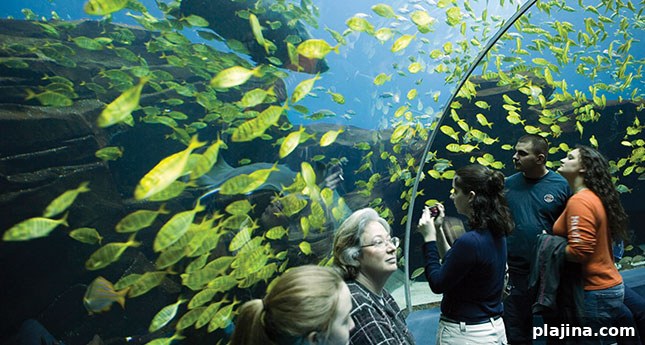
Atlanta lacks mountains, ocean beaches and a Broadway district, but it offers attractions that draw millions. The Georgia Aquarium, which opened in 2005 as a gift from Home Depot co-founder Bernie Marcus, has welcomed more than 6 million visitors and showcases over 500 species. The aquarium continues to expand its offerings, including a major dolphin exhibit.
The World of Coca-Cola celebrates the brand’s history and global flavors, while the CNN Center offers a behind-the-scenes look at 24-hour news operations. For a deeper connection to the city’s history, the Martin Luther King, Jr. National Historic Site preserves Sweet Auburn, Ebenezer Baptist Church and other landmarks that tell the story of the civil rights movement.
Atlanta’s literary and cultural past is on display at the Margaret Mitchell House, where the author wrote Gone with the Wind. The Woodruff Arts Center, home to the High Museum of Art and the Atlanta Symphony Orchestra, anchors the city’s arts scene and continues to expand its facilities and programming.
When it’s time to shop, Buckhead’s Lenox Square — Atlanta’s oldest and largest mall — and nearby Phipps Plaza offer extensive shopping and dining options. For a more relaxed neighborhood vibe, Virginia Highland provides galleries, boutiques, bars and restaurants amid bungalow-lined streets. Live music venues like Blind Willie’s and outdoor spaces like Piedmont Park, with expansive green areas and jogging trails, give residents and visitors places to unwind and enjoy the skyline views.
Lodging
Four Seasons Hotel Atlanta
Located in Midtown, this 244-room hotel delivers elegance, city views and significant meeting space. 75 14th St., tel 404 881 9898, $$$$
The Mansion on Peachtree
A five-star boutique offering Southern-style luxury and a flagship spa. 3376 Peachtree Road, tel 404 995 7500, $$$$
St. Regis Atlanta
A stately 151-room hotel in Buckhead with grand meeting spaces, gardens and lavish décor. 88 W. Paces Ferry Road, tel 404 563 7900, $$$$
Dining
Bachanallia
Chefs Clifford Harrison and Anne Quatrano serve contemporary American, all-organic cuisine in an acclaimed setting. 1198 Howell Mill Road, tel 404 365 0410, $$$$
Bone’s
A Buckhead steakhouse long celebrated for excellent food and service, ideal for business dinners. 3130 Piedmont Road, tel 404 237 2663, $$$$
One Midtown Kitchen
Housed in a renovated warehouse, this Midtown restaurant features seasonal ingredients and a stylish crowd. 559 Dutch Valley Road, tel 404 892 4111, $$-$$$
At Home With Jef Gram
Atlanta businessman and owner of Cayo Espanto, Belize
You’re a longtime Atlanta resident. What are the biggest changes you’ve seen in the city?
The most visible change is the skyline — tall buildings are now a dominant feature. Equally important has been large-scale land planning, especially projects like the BeltLine that could reshape how the city functions. Infrastructure connections, such as linking Georgia 400 with I-85 South, show that progress is possible and practical.
What makes Atlanta such a good place to do business?
Atlanta offers many of the qualities people look for in a great place to live and visit: pleasant weather, diverse dining, and parks like Piedmont and Chastain. In difficult economic times, people prioritize quality time with family and friends, and Atlanta’s recreational assets help deliver that experience.
Do many of your guests at Cayo Espanto come from Atlanta?
Yes. The direct flight from Hartsfield-Jackson to Belize City is about three hours, and the island transfer is quick. Less than four hours after leaving Atlanta, guests can be relaxing in private waterfront villas, which makes it a convenient escape for Atlantans.