It can happen in an instant. Lost in thought while mentally preparing for a meeting, you may not notice the jostling crowd around you. You hail a taxi and reach for your wallet only to discover it’s gone.
Mike Kelly, CEO of On Call International, warns that “time is the business traveler’s biggest adversary. We’re all busy, and when traveling we’re often multitasking on tight schedules. When we ignore our surroundings, our safety can be compromised.”
Though business travel can appear glamorous from the outside, time away from home introduces risks. Fatigue, illness and personal safety top the list of concerns for travelers navigating unpredictable conditions. The World Tourism Organization reports that about one in seven people traveled internationally last year, with more than a billion international travelers overall. In the International Business Traveler Study by Europ Assistance USA, 31 percent of business travelers listed personal safety as a primary concern, and 27 percent cited worries about terrorism or politically motivated violence.
Since 9/11, companies have strengthened corporate travel policies and security protocols. Larger firms have created dedicated safety roles or departments, while many organizations now work with travel risk management firms to address the complex security challenges of international business travel.
“Corporations have a duty of care to employees,” says Kelly. “At minimum, companies should provide business travelers with advance information about the destination, cultural norms and the areas of the city where travelers should be extra vigilant.”
Suzanne Garber, chief networking officer at International SOS, a provider of medical assistance and travel security services, says corporate travel safety has evolved considerably. “Companies recognize their responsibility to protect employees. The strength of safety policies depends on collaboration across departments. Awareness and interest in safety start at the top.”
Well-designed travel safety programs require clear guidance and coordination among departments. Garber recommends policies that are proactive and include pre-trip assessments, reliable on-the-ground communication and monitoring, and post-trip follow-up. A common obstacle is the lack of a single owner for these responsibilities when workloads are already heavy.
Travel management companies can monitor itineraries and assist with evacuations during a crisis, but they are only one piece of an effective safety strategy. Garber stresses the importance of comprehensive employee training and education for those traveling abroad. “We map key risk areas—some countries present high political risk while others are low. Risks can also vary within a country by region and sector. When something goes wrong, 24/7 support is essential.”
Partnerships with international risk management firms are vital to protect employees at every stage of travel. Eric Volz, managing director of the David House Agency, which handles complex legal and political situations overseas, notes the rising number of international crises, including kidnappings and politically motivated prosecutions. High-profile cases illustrate the unpredictable nature of legal and security threats abroad.
Volz recommends forming relationships with reputable international risk firms that have established local networks before a crisis occurs. Do your homework, establish communication channels and ensure you have trusted experts available when needed.
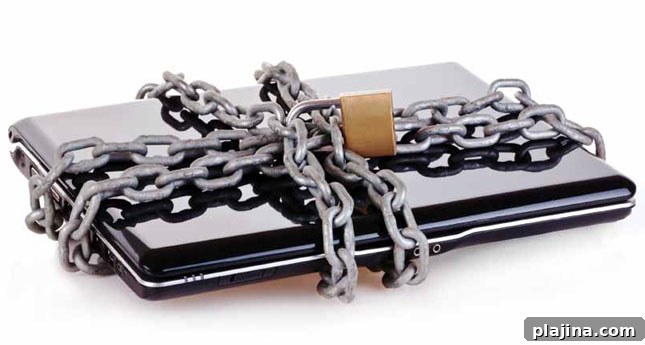
Physical safety is important, but so is protecting sensitive corporate data.
Jerry Irvine, CIO of Prescient Solutions, points out that the ubiquity of inexpensive consumer mobile devices complicates corporate security. Devices designed for consumers are often not enterprise-ready, and supporting a bring-your-own-device environment can increase management costs and security exposure.
Marc Pollak, director of Swift Security Solutions and a former CIA officer, cautions that any sensitive information on laptops, phones or thumb drives is vulnerable. “Deleted data can often be recovered. Encrypt sensitive data and use strong passwords,” he advises.
Keep sensitive devices in your possession whenever possible. If officials or third parties take your laptop or phone, assume the contents are compromised. Public Wi-Fi, hotel networks and even familiar hotel brands can present risks—connections may be monitored and staff may inadvertently facilitate access to your room. Never leave sensitive information unattended and use a virtual private network (VPN) when possible, while assuming public connections are untrusted.
The best cybersecurity practice for travelers is to carry only the information necessary. Upon return, have your security officer scan and clear devices before reconnecting them to the corporate network.
© Lucian Milasan | Dreamstime.com
SAFETY FIRST
BEFORE YOU TRAVEL
• Be informed. Check government travel advisories and destination-specific safety information to understand current risks and recommended precautions.
• Stay connected. Share your itinerary with your corporate safety officer and family. Make it a habit to confirm your safe arrival and report any schedule changes. Ensure your mobile device has international service or arrange for a prepaid international phone, and keep devices charged.
• Know who to contact. Research local emergency numbers, the nearest consulate or embassy contact details and your company’s emergency procedures.
• Buy travel insurance. If your employer doesn’t provide travel insurance, consider purchasing coverage for medical emergencies, evacuation and trip disruptions.
• Evaluate your hotel. Choose accommodations with electronic locks, controlled access, a staffed lobby and other visible security measures.
ON ARRIVAL
• Be street smart. Stay aware of your surroundings and protect your belongings. Use cross-body bags and avoid displaying flashy jewelry or accessories. Follow local customs to blend in—tourists who stand out are more likely to be targeted.
• Mix up your money. Carry a combination of credit cards and local currency. Avoid ATMs if someone is nearby and watch for devices that can capture PIN entries. Store extra cash or backup cards separately, such as in a hotel safe, and verify card protections before traveling.
• Protect your passport. Keep photocopies or digital images of your passport in separate locations and share a copy with a trusted contact at home. Make sure you have embassy or consulate contact information handy.
• Keep a closed-door policy. Do not open your hotel door to strangers. Use the phone or the door viewer to verify visitors, and use “Do Not Disturb” signs when you leave your room.
• Taxis and public transit. Know your route before you board. Use mapping apps to verify directions and identify nearby safe zones like police stations or banks.
• Plan meetings in public places. Meet clients in well-known venues, hotel lobbies or public restaurants rather than unfamiliar or isolated offices.
• Stay sober. Excessive drinking increases vulnerability and is a common factor in security incidents abroad.
• Prioritize what matters. Your personal safety and the safety of others should come first. Protect business-sensitive information and company property with situational awareness and a clear security plan.
FOR WOMEN TRAVELERS
Women should take additional precautions when traveling. Garber from International SOS recommends:
• Guard personal information. Limit the details you share about your accommodation and schedule.
• Mannerisms. Be mindful that smiles and direct eye contact can be interpreted differently in other cultures; research local norms before travel.
• Dress respectfully. Learn the local dress customs and choose attire that minimizes unwanted attention. Consider whether head coverings, sleeve length or skirt length are appropriate.
• Stay visible. Remain in public view when possible and, if traveling alone, try to move in groups or use trusted transportation and escorts.