
Anchorage is a modern city with brewpubs, reliable internet and strong public transit, yet it sits a heartbeat away from vast wilderness. The city is also home to roughly 1,500 resident moose, offering a rare urban-wildlife experience.
“Anchorage has two convention centers right in the middle of downtown,” says Julie Dodds, director of convention sales for Visit Anchorage. “Delegates can easily walk from their hotels. There are over 40 restaurants within easy walking distance from the centers and the hotels. Every major airline flies into Anchorage. And we are affordable, with very competitive hotel rates. And no sales, city or state taxes.”
Mayor Dan Sullivan adds, “We are seeing exciting new development across Anchorage, such as Tikahtnu Commons, which brings additional shopping, dining and entertainment. At the same time we are diligent about protecting nature throughout the city; wherever you are in Anchorage, you can usually find a nearby trail or scenic view.”
Phase 1 of Tikahtnu Commons, developed by Cook Inlet Region, Inc., an Alaska Native Corporation, and its partners opened in 2008. The retail and entertainment center will total about 900,000 square feet when complete, with a development cost exceeding $100 million. Tenants and attractions include Qdoba Mexican Grill, Texas Roadhouse, Firetap Alehouse Restaurant, Alaska’s first Olive Garden and a 16-screen Regal Cinemas complex that features the state’s only IMAX theatre.
“Downtown is always a must-see area that attracts over a million visitors yearly with fine dining, shopping, museums and rich culture,” Sullivan says.
Downtown Anchorage also hosts the ceremonial start of the Iditarod Trail Sled Dog Race, an event that draws significant visitor interest and convention activity. “The Iditarod is a huge draw for Anchorage, not only for tourists but also for meeting planners,” Dodds notes. “We often book meetings around the race’s ceremonial start, which falls on the first Saturday in March. When mushers like Martin Buser, Dallas Seavey or DeeDee Jonrowe speak at conventions, they are always very popular. Attendees love hearing the stories and seeing dogs or puppies brought to events.”
The Iditarod produces an estimated $3.1 million in economic impact. Many mushers supplement racing income through speaking engagements and sled dog experiences; for example, Dallas Seavey reported high equipment costs during his recent win, and prize money can be essential to covering team expenses.
Start of the Iditarod © Rebecca Coolidge
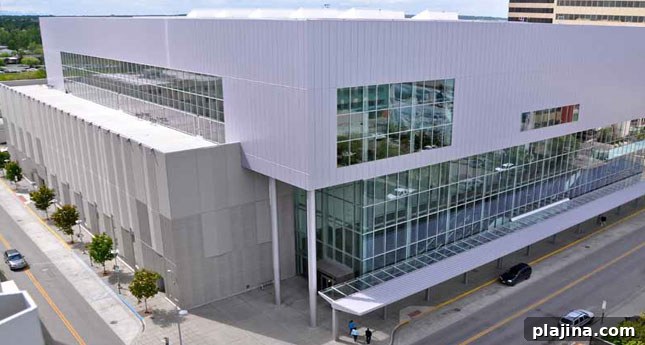
Anchorage’s convention infrastructure recently expanded with the opening of the $107 million Dena’ina Civic and Convention Center in September 2008. This 200,000-square-foot, three-story facility features modern touch-screen lighting and audio controls, 47,400 square feet of flexible exhibit space, 24,840 square feet of banquet space and 11 meeting rooms. The Tikahtnu Ballroom on the third floor offers floor-to-ceiling windows with sweeping views of the Chugach Mountains and a year-round outdoor terrace. Named for the Dena’ina Athabascan people who first settled the area, the center includes artwork highlighting Athabascan culture and Alaska’s respect for nature.
Two blocks away, the Egan Civic and Convention Center, a 45,000-square-foot, three-story facility that opened in 1984, provides 22 meeting rooms, a 19,000-square-foot banquet hall and 197 exhibit booths. Recent renovations upgraded audio/visual systems and improved energy and water efficiency. Updated interiors now complement the Dena’ina center’s Athabascan-inspired décor, encouraging conventions to use both venues in tandem.
Additional downtown meeting and performance spaces include The Alaska Center for the Performing Arts and large hotels such as The Hotel Captain Cook. Across Anchorage there are more than 8,700 lodging options ranging from national hotel chains to intimate B&Bs.
The Port of Anchorage, which opened in 1961 with a single berth, now operates five berths under city management and supports a statewide economic impact of $663 million. Port activity generated about $137 million in household earnings and supported over 4,000 jobs. Geographically the port serves roughly 90 percent of Alaska’s population: about 80 percent of the state’s maritime trade and 90 percent of consumer imports move through Anchorage. While some cruise ships operate out of Anchorage seasonally, Seward serves as the main cruise departure point for many itineraries.
Ted Stevens Anchorage International Airport is served by roughly 50 airlines, though some operate seasonally. Year-round carriers include Alaska Airlines, American, Delta, Icelandair, Japan Airlines, Korean Air and United. The airport is among the world’s largest cargo hubs, ranking fourth globally behind Hong Kong, Memphis and Shanghai. Tourism delivers significant local revenue through room and vehicle taxes; travel through the airport generates an estimated $18.9 million of related tax receipts.
Mayor Sullivan highlights convenient transit connections: the bus from Ted Stevens Airport to downtown takes about 25 minutes and costs $1.75 for adults. “All People Mover buses are clean, accessible and equipped with 3-place bike racks. Visitors can use public transportation to reach civic facilities, trails, shopping and numerous museums.” A day pass for unlimited rides is available for $5.
For walkability, affordability and easy access to outdoor adventure, Anchorage remains an appealing destination.
SCENIC DRIVES
Several outstanding scenic drives depart from Anchorage. Southbound on Seward Highway, less than an hour away you’ll find Girdwood and Portage. Allow a half to a full day for this route to visit the Alyeska Resort and the Alaska Wildlife Conservation Center, an animal rescue and rehabilitation facility located near the former townsite of Portage. Seward Highway is designated an Alaska and National Scenic Byway, prized for its Chugach Mountain vistas and frequent wildlife sightings, including beluga whales, Dall sheep and bald eagles.
Take the Glenn Highway for a half-day trip to Independence Mine and Hatcher Pass. The route showcases large agricultural produce in Palmer, scenic Susitna River views and mountainous switchbacks on the climb into the historical gold mining area. Hatcher Pass is a popular late-summer destination for hiking, camping and berry picking.
Parks Highway leads north to Talkeetna in about two and a half hours. Along the way the Chugach Range gives way to the Talkeetna Mountains, and you pass Willow, the official starting point of the Iditarod and home to many mushers. Talkeetna’s character inspired the TV show Northern Exposure.
The full 221-mile drive from Anchorage to Homer along the Seward and Sterling highways takes roughly four and a half hours each way. Homer sits on the Kenai Peninsula and serves as a gateway to some of Alaska’s most famous fishing grounds and as a port on the Alaska Marine Highway System.