
Start your day with a leisurely made-to-order breakfast at the Club InterContinental, an exclusive lounge on the seventh floor of the InterContinental London Park Lane, where panoramic views frame Big Ben to the left and the Wellington Arch to the right.
The hotel is conveniently situated less than a 10-minute walk from three wheelchair-accessible museums: the Natural History Museum, the Science Museum and the Victoria and Albert Museum (V&A). Note that Exhibition Road may have construction-related detours through December, so pedestrians should allow a little extra time for their route.
A short stroll will also take you to the famous department store Harrods, established in 1839. The store spans several acres and welcomes millions of visitors each year; entrance maps are available to help you navigate the floors. Maneuvering a wheelchair through busy areas can be challenging, but it’s often worth the effort—whether you choose a carefully packaged gift for a client or a sweet treat from the ground-floor patisserie. We enjoyed a selection of mini cupcakes while wandering through nearby Hyde Park.
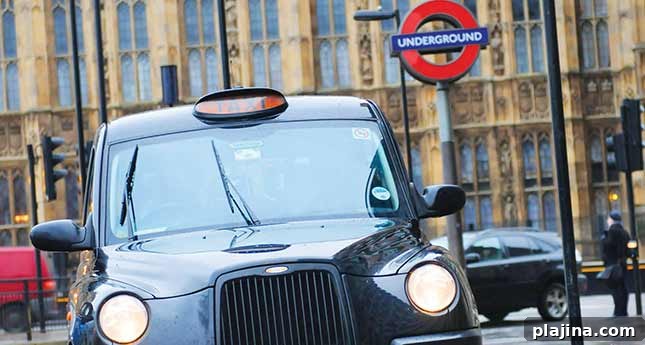
To travel farther afield, flag down one of London’s iconic black taxis. Many of these vehicles are wheelchair accessible, making cross-city travel straightforward and convenient.
London’s South Bank offers lively street performers, cafés, galleries, theaters and musical venues. The area includes attractions such as the accessible London Eye and the Royal Festival Hall, which now hosts free lunchtime music on Fridays and Sundays. Contemporary works are regularly shown at the Hayward Gallery. Our guide, William Forrester—a Blue Badge Guide and museum lecturer—met us at the Royal Festival Hall and helped arrange tickets for a Mahler concert. We booked wheelchair-accessible seats in the choir section, which provided an excellent face-to-face view of the conductor and orchestra.
Forrester, who uses a wheelchair himself, organizes accessible tours across the city. With his guidance we boarded a red double-decker bus and visited the British Museum. His engaging commentary on highlights from the Rosetta Stone to the Parthenon sculptures drew interest from other visitors and made the collection come alive for our small group.
Evenings in London are ideal for theater-going. Many productions take place in historic venues; while accessibility varies, a number of theatres offer wheelchair seating and staff assistance. At the Victoria Palace Theatre, more than a century old, our orchestra-level seats were just ten rows from the stage. Some venues require using small elevators—for example, access at certain theatres may involve lifts with limited dimensions—so it’s helpful to check specifics in advance. Front-of-house staff typically escort guests to designated seating, but wheelchair spaces are limited and policies differ between theatres. To secure the best options, buy tickets well before your trip by contacting each theatre’s box office directly and confirming accessibility arrangements.
For visitors seeking accessible guided experiences, a growing range of tours and services is available across the city. Local guides and organizations specialize in tailoring itineraries to mobility needs, from museum visits to riverfront walks and performance bookings, ensuring practical support and enjoyable experiences throughout your stay.
When planning, allow extra time for transit and potential detours, and contact venues in advance to confirm current access provisions. With a bit of preparation, London’s museums, theatres and public spaces can be welcoming and highly rewarding for visitors using wheelchairs.