
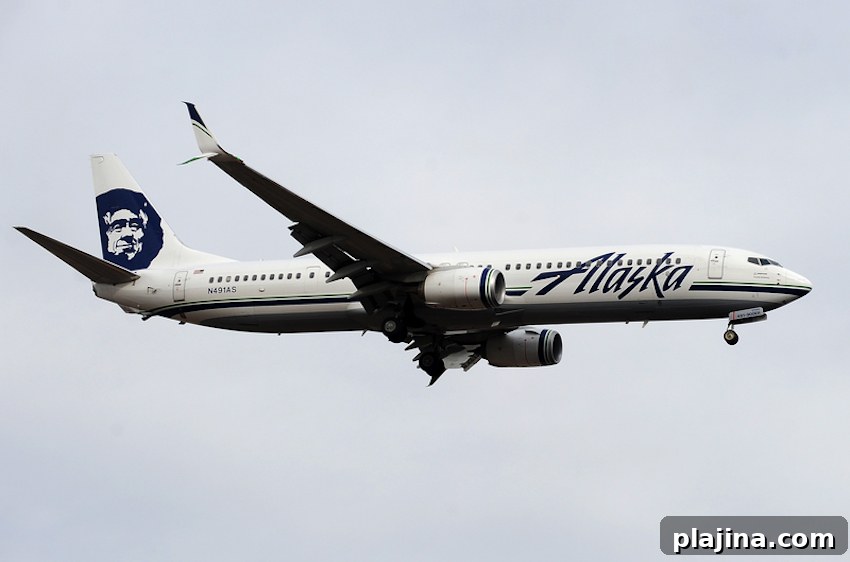
With several major carriers introducing basic-economy fares, smaller airlines have quickly followed to remain competitive. The most recent U.S. carrier to roll out a pared-down fare class is Alaska Airlines.
What a basic-economy ticket includes—or excludes—varies by carrier. Some airlines allow advance seat selection for these fares, while others restrict seat choice unless you pay an extra fee. Typically, basic-economy tickets have more restrictive change and refund policies, and passengers holding these fares usually board after all other boarding groups.
Alaska Airlines began testing a basic-economy “saver” fare in early November on select San Diego (SAN) routes and extended the offering into December. As of early January, Alaska has expanded the saver fare across its network, making it available on more flights and routes.
This move brings Alaska in line with other U.S. carriers that have added a budget-friendly fare tier. JetBlue has announced plans to introduce a similar product later in the year, while Southwest remains the notable exception among major domestic airlines that has not adopted a basic-economy option. Market forces and competition may influence future changes to each airline’s fare structure.
For travelers, these fare differences matter when balancing price against flexibility and comfort. Basic-economy fares typically offer the lowest upfront price, but passengers should weigh the trade-offs: limited or no seat selection, stricter baggage rules in some cases, no ticket changes or refunds, and being among the last to board. Frequent flyers and those who need certainty about seating or itinerary flexibility may find standard economy or higher fare classes more practical despite the higher cost.
When shopping for travel, it’s important to read the fine print for each carrier’s basic-economy rules. Airlines’ definitions and restrictions differ—some may permit a personal item but not a carry-on, others may allow both but charge for overhead bin space, and fees for seat selection or extra legroom can add up. Comparing total trip cost, including potential fees, as well as the convenience of boarding and seat choice, will help passengers determine whether a saver fare is truly the best value for a particular trip.
Alaska’s nationwide rollout of the saver fare reflects broader industry trends toward unbundling travel services. By separating the base fare from add-on services, airlines can advertise lower headline prices while giving travelers the option to pay only for the extras they need. This approach can benefit cost-conscious passengers who are willing to accept restrictions in exchange for a lower ticket price.
That said, the choice to purchase a basic-economy ticket should be made after considering the full travel experience: the likelihood of needing to change plans, the importance of selecting a seat in advance, the necessity of bringing more than a personal item, and the impact of late boarding on families or passengers with tight connections. For some trips—short flights where seat preference and flexibility matter less—the lower fare can be an excellent way to save. For others, the added convenience and protections of a standard fare may justify the extra expense.
As airlines continue to refine fare categories, travelers should stay informed about policy changes. Keeping an eye on each carrier’s baggage allowances, seat assignment rules, refund and change fees, and boarding procedures will ensure that the chosen fare aligns with the traveler’s priorities. In the case of Alaska Airlines, the expanded availability of the saver fare across its route network offers a new low-price option for budget-minded flyers, but it also underscores the need to carefully evaluate what is included before completing a purchase.