Hot, safe and delicious: that is the goal of Delta Air Lines’ in-flight catering program, according to Michael Henny, managing director of Onboard Services Operations. Serving meals to thousands of passengers every day presents ongoing challenges, and the COVID-19 pandemic added complexity to getting food from the kitchen to the tray table. Henny sees the pandemic as an opportunity, saying the restart felt like “starting with a blank slate,” allowing the team to focus squarely on what customers want — food that feels exciting yet familiar, healthy yet indulgent.
To achieve those goals, Delta collaborates with local vendors who help translate regional flavors into dishes that can be consistently prepared and served on board. “The next generation of menus will have been created with a lot of experimentation,” Henny said. “We need to make sure it works within the confines of what we can deliver consistently.”
The airline has returned to serving coursed meals in Delta One, and it continues to expand partnerships that bring restaurant-quality meals to passengers departing from major hubs.
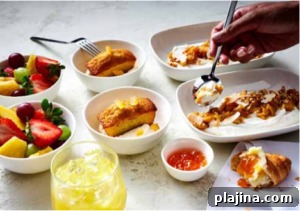
PHOTO: © LSG GROUP
One longtime partner is Union Square Events, the catering and venue hospitality division of Danny Meyer’s Union Square Hospitality Group, which includes Union Square Cafe and Gramercy Tavern in New York. The collaboration, which began when Delta asked the group to provide dishes from Blue Smoke barbecue for select flights, has grown to include rotating menu items from multiple Union Square restaurants on Delta’s flights out of John F. Kennedy and LaGuardia airports.
Union Square Events now has a dedicated team developing menus for Delta. Brett Romberg, associate director of culinary operations, explains that adapting restaurant recipes for the kitchen-to-plane journey involves more hurdles than expected. “It’s amazing what you have to think through,” he said, recalling a short rib entrée that was delicious but too tall to fit in the plane’s warming oven. Small operational details like that shape which dishes make the cut.
Flight attendants’ feedback plays a central role in refining menu items. “That cumulative view gives us a lot of data, from what looks dried out to what never gets finished,” Romberg said. He cited a recent example: blueberries in a breakfast parfait were turning the yogurt an unappealing grey. A simple change improved the visual appeal and passenger enjoyment.
As tastes evolve, Union Square Events brings more global flavors to Delta’s offerings. Romberg mentioned a Moroccan chicken stew that cleared research-and-development tests. “There’s a fine line at creating something that sounds a little different but is still approachable,” he said. Rather than relying on extra salt to punch up flavor at altitude, the team uses harissa and aromatic spices to account for how taste perception changes in flight.
Bill Gillen, director of culinary excellence for North America at LSG Group, which supplies catering to many airlines worldwide, emphasizes authenticity while introducing new flavors. “For us, the key is recreating the flavors that make a dish distinct,” he said, noting that LSG brings in chefs who specialize in specific cuisines to ensure accuracy.
In-flight service realities — long waits between cooking and serving — force further creativity to preserve ingredient integrity. Gillen described wrapping fish fillets in steamed cabbage leaves for transport, with flight attendants removing the leaves before serving; the technique yields moist, flavorful fish. LSG also continues experimenting with plant-based proteins and plans to revive its Choose Your Own Menu program, a popular pre-COVID option that let passengers build meals by selecting protein, starch and sauce.
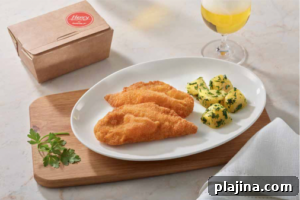
PHOTO: © AUSTRIAN AIRLINES
Other carriers have reintroduced or refreshed pre-pandemic programs. Austrian Airlines brought back a scaled-down Flying Coffeehouse with Viennese iced coffee, the Melangerie and mocha options, and reintroduced crispy schnitzel on select services. British Airways continues to highlight British classics such as traditional roast with Yorkshire pudding, chicken pie with mash and shepherd’s pie, alongside vegetarian dishes that showcase British-grown produce like butternut squash, cavolo nero and asparagus.
American Airlines reintroduced hot, plated meals in both economy and business class and plans to add healthy grain bowls and entrée salads. Returning favorites such as short ribs and warmed mixed nuts are also making a comeback.
Technology and retail-style options also shape the onboard dining experience. Increasingly, passengers make purchases through airline apps, often requiring a pre-loaded payment method. Pre-order options are expanding, from British Airways’ Buy Before You Fly menus to Delta’s First and Business Class Pre-Select offerings. “Passengers can choose a regular menu item or one of our limited selections, which is only available as a pre-order,” Henny said. Knowing exact demand by pre-ordering helps caterers plan and be more creative with limited selections.
Environmental concerns influence sourcing and service choices. Airlines are reducing single-use plastics and adopting biodegradable cutlery and dishes. Delta and ANA are moving to biodegradable serviceware, and Delta will serve wines in aluminum cans from a sustainable winery in the main cabin. Swiss International Air Lines and Austrian Airlines are testing ways to reduce food waste by offering unsold fresh items at a discount on final flights of the day.
Emirates sources products from environmentally conscious suppliers, including an Italian olive oil producer with zero greenhouse gas emissions and Gate Gourmet Japan, which sources produce from farms located near its facility. The airline also partners with suppliers that support conservation and sustainable harvest practices and is building a vertical farm in Dubai to supply produce for lounges and flights.
“COVID forced us to forge new relationships, get innovative with technology and rethink how we do almost everything,” Henny said. “It’s been an adventure, but it’s made us more nimble.” The combined focus on flavor, operational practicality and sustainability is shaping the future of in-flight dining for airlines and passengers alike.