
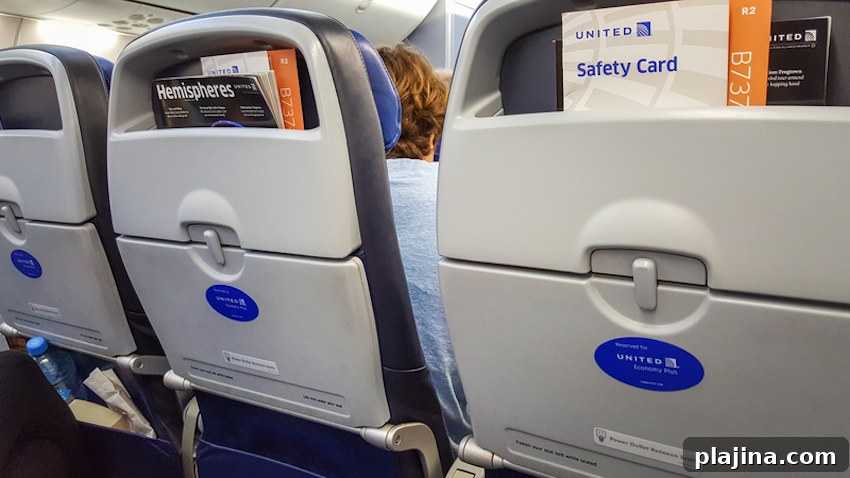
In recent years, being involuntarily bumped from a flight or asked to volunteer your seat in exchange for travel credit or incentives has become less common. According to a U.S. Department of Transportation report, airlines have shifted practices to avoid overbooking and minimize the number of passengers denied boarding.
United Airlines has been particularly active in rebuilding customer trust after several high-profile incidents. The carrier significantly reduced the number of denied boardings in 2018—nearly a 97 percent drop compared with 2017—by tightening how it manages seat inventory and adjusting overbooking practices.
These changes include reducing overbookings on shorter routes, where fewer passengers are likely to volunteer their seats, and revising compensation policies. United now offers up to $10,000 in compensation to passengers who are involuntarily denied boarding in certain situations, reflecting a broader emphasis on customer recovery and fairness.
Other major carriers also reported substantial declines in involuntary denials of boarding over the same period. JetBlue reported a 98 percent decrease, Delta a 97 percent decrease, American Airlines a 77 percent decrease, and Southwest Airlines a 70 percent decrease. Together, these reductions indicate an industry-wide move toward better managing bookings and improving passenger experience.
For travelers, the trend means fewer surprises at the gate and a greater likelihood that reservations will be honored. Airlines’ efforts to cut down on overbooking and to offer clearer, more generous compensation when problems do occur have contributed to a steadier, more predictable flying experience for many passengers.
While no system is perfect and occasional inconveniences still happen, the recent drops in denied boarding rates suggest that carriers are taking concrete steps to prioritize customer service and reduce the frequency of involuntary bumping.