
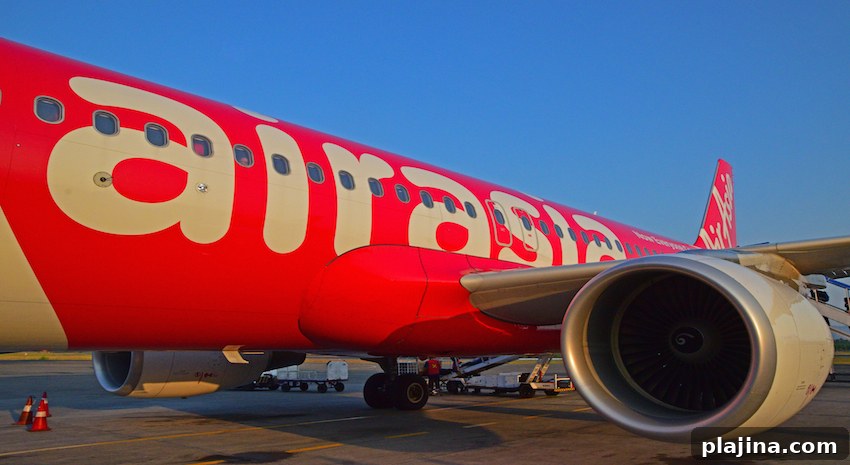
AirAsia, one of the region’s largest airlines, will train its staff to help combat human trafficking. The move makes AirAsia among the first carriers in Asia to adopt formal measures aimed at disrupting this global crime, at a time when an estimated 46 million people worldwide remain in conditions of modern slavery and the trafficking industry generates roughly $150 billion in profits.
Airlines play a central role in the movement of people and goods, and their participation in anti-trafficking efforts can be highly influential. Each year, commercial flights carry thousands of children and adults, some of whom are transported to destinations where they are forced into sex work, domestic servitude, or other forms of coerced labor. Because crew and ground staff regularly interact with passengers, they are well placed to notice warning signs and intervene safely.
The United Nations has urged carriers to take a more active role in identifying and reporting potential trafficking incidents. AirAsia, headquartered in Kuala Lumpur and serving more than 110 destinations with millions of passengers annually, plans to train between 5,000 and 10,000 employees to recognise indicators of trafficking and respond appropriately.
Staff will be instructed to look for behaviours and circumstances that often accompany exploitation, such as young women or children who appear to be under someone else’s control, display unusually fearful or nervous behaviour, or are unable to speak freely for themselves. Training emphasises both detection and safe response, including how to alert the right authorities and support victims without creating further risk.
“We want our teams to know what to do if somebody approaches them and says, ‘I need help,’” said Yap Mun Ching, executive director of the AirAsia Foundation. While similar programmes have been running in parts of the United States, many experts note that trafficking remains particularly widespread in parts of Asia, making airline-led training an important step toward prevention and protection.
By equipping cabin crews, check-in staff and ground personnel with practical skills, airlines like AirAsia can help close gaps in the identification of at-risk travellers and contribute to broader efforts to dismantle trafficking networks. Properly implemented, such training can improve reporting rates, provide earlier intervention for victims, and foster closer cooperation between carriers, governments and non-governmental organisations working on the front lines of anti-trafficking initiatives.
AirAsia’s programme also highlights the importance of building awareness across large, diverse workforces so that recognition of trafficking indicators becomes part of routine operations. Training aims to balance vigilance with respect for passengers’ rights and safety, ensuring that any action taken minimises harm and follows established legal and humanitarian protocols.
While no single measure will end trafficking, integrating targeted training into airline operations is a practical, scalable approach that leverages existing touchpoints in global mobility networks. As more carriers consider similar steps, coordinated efforts across the aviation sector could strengthen prevention, support victims more effectively, and reduce the ability of traffickers to exploit international transport systems.