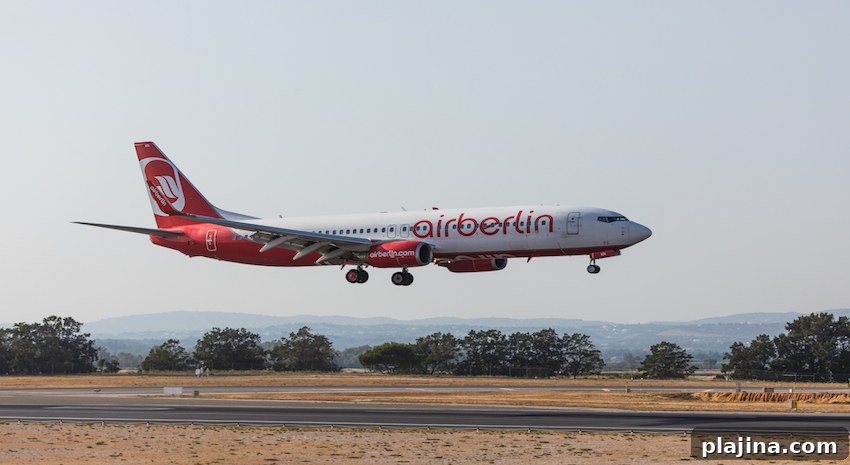
Airberlin officially ceased operations on Oct. 28, the carrier announced on its website. In a frequently asked questions notice published after the shutdown, the airline stated that it will be “no longer be possible” to continue operations during the insolvency proceedings initiated earlier. Airberlin had filed for administration on Aug. 15 following the withdrawal of investment by partner airline Etihad Airways.
To maintain flights temporarily while seeking buyers, Airberlin received an emergency loan from the German government. During the sales process, both Lufthansa and easyJet submitted bids to acquire parts of the airline and its assets.
The FAQ clarifies the refund and rebooking rules for affected passengers. Customers who purchased tickets before Aug. 15, the date of the bankruptcy filing, are generally not entitled to refunds. Tickets bought on or after Aug. 15 will be eligible for reimbursement if the booked flights cannot operate, although refunds will be issued minus applicable taxes and fees. The airline also confirmed that it will not arrange rebookings on other carriers for affected customers.
Despite the insolvency proceedings and the formal cessation of operations, Airberlin’s booking pages remained active for some time and continued to display available seats. However, the airline warned that it could not guarantee services beyond Nov. 1 and advised passengers to expect disruptions and to monitor communications from the carrier or their booking agent for updates.
Passengers impacted by canceled or disrupted Airberlin flights should gather all travel documents, booking confirmations and receipts to support any reimbursement claims they may submit. Travelers holding tickets for flights after the cessation date should also contact their credit card company, travel insurer or the agency they used to purchase tickets to learn about possible chargeback, insurance or refund options. For those with connecting flights operated by other carriers, it is important to check those operators’ policies independently, since Airberlin stated it will not facilitate rebookings elsewhere.
The insolvency and subsequent shutdown reflect a broader reshaping of short- and medium-haul markets in Europe, where consolidation and investment shifts have affected a number of carriers. Airberlin’s situation highlights the importance for travelers to verify the financial stability and backup arrangements of airlines when making bookings, especially during periods of industry turbulence.
As the situation evolves, affected passengers should follow official announcements from insolvency administrators and the airline for the latest guidance on refunds, reimbursements and the handling of outstanding obligations. Keep booking references and any communications from the carrier, as these will be needed for formal claims through the insolvency process or when dealing with credit card issuers and insurers.