
Saskatchewan’s largest city is not its capital. That distinction belongs to Regina (population about 225,000), while Saskatoon (population about 264,700) is the province’s largest urban centre. Nicknamed the “City of Bridges,” Saskatoon’s identity and growth are closely tied to the South Saskatchewan River and the crossings that span it.

© Discover Saskatoon
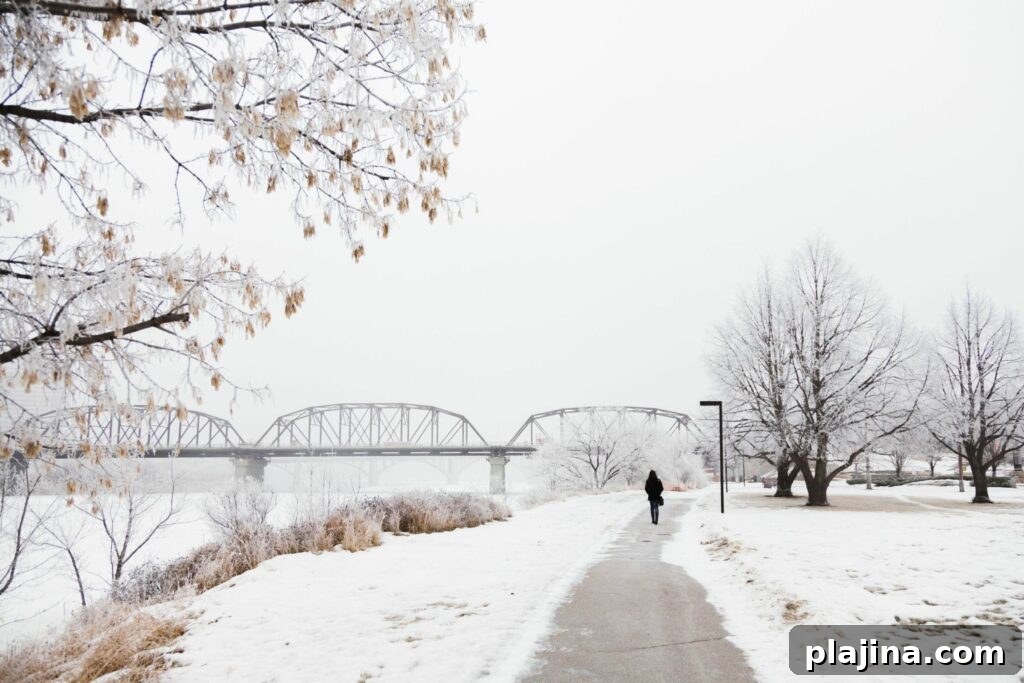
Eight bridges cross the South Saskatchewan River within the city, shaping transportation, commerce and neighbourhood connections. From early railway spans that helped establish Saskatoon as a regional economic hub to road and pedestrian bridges that joined neighbourhoods and institutions, each structure reflects an era in the city’s development. The City of Saskatoon estimates the combined replacement value of its bridges and related structures at approximately CAD$916 million.
© Discover Saskatoon
Among the city’s historic crossings, the original Traffic Bridge opened on Oct. 10, 1907, as Saskatoon’s first structure built specifically for pedestrians and vehicles; a new Traffic Bridge replaced it and opened in 2018. The University Bridge, officially opened on Nov. 15, 1916, is notable for the way its arches decrease in size across the span—often described as evocative of a stone skipping across water. It was constructed to link Sutherland and the University of Saskatchewan with downtown Saskatoon.
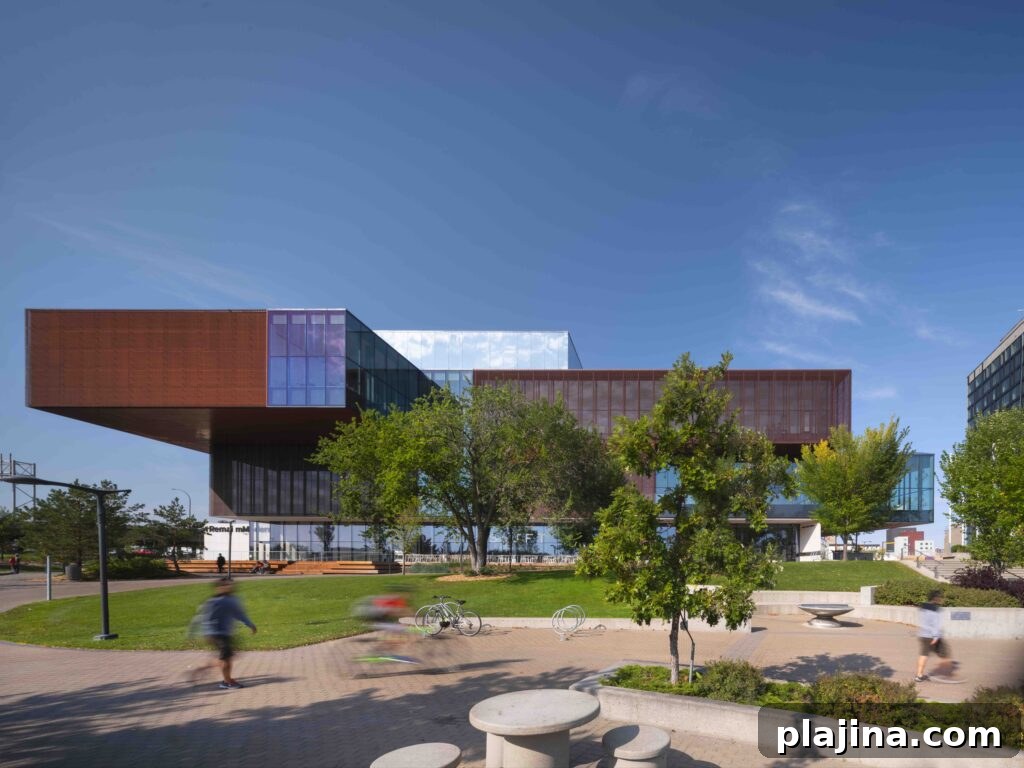
Beyond their practical role, the bridges contribute to Saskatoon’s seasonal scenery: stark silhouettes in winter, illuminated spans on warm summer nights, and vantage points for outstanding river views year-round. The riverfront also hosts cultural attractions such as Remai Modern, a relatively new art museum that highlights regional and Indigenous art.
© Nic Lehoux
Remai Modern recognizes the deep and continuing connections Indigenous peoples have with the river and the land. The museum acknowledges the contributions of Nêhiyawak, Dakota and Round Prairie Métis peoples to the founding of Saskatoon, and the presence of Nēhîthâwâk, Nèhinawak, Denesųłiné, Nahkawē, Nakota and Lakota peoples across the province. One of the museum’s guiding commitments is to collaborate with Indigenous communities to ensure Indigenous perspectives and self-determination are integral to its programs and governance.
© Carey Shaw
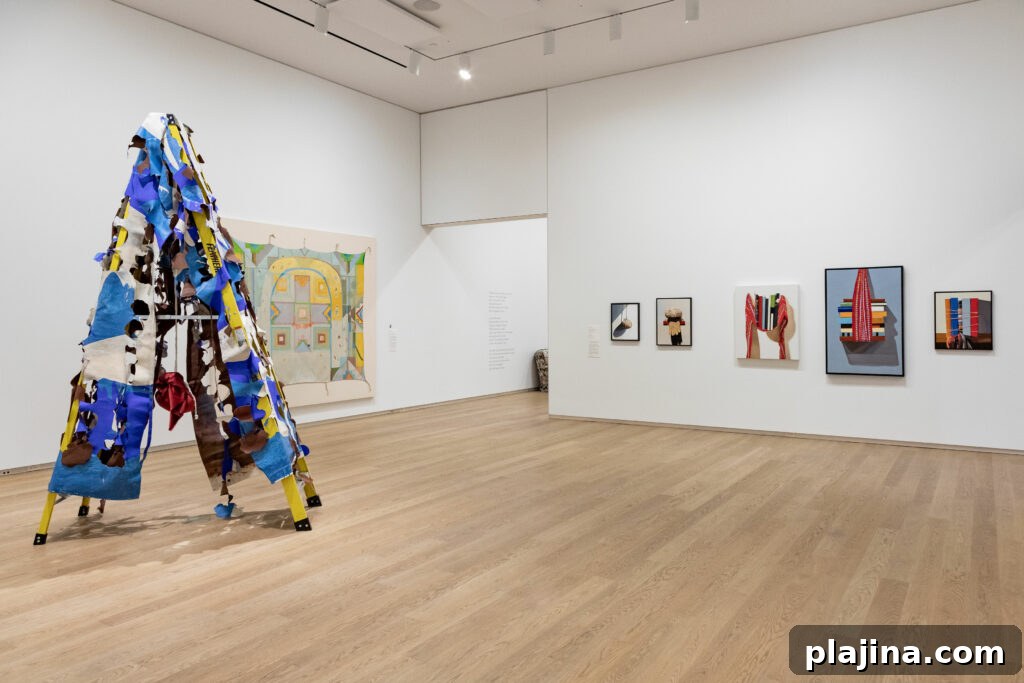
One featured exhibition at Remai Modern is “Storied Objects: Métis Art In Relation.” The show explores how Métis communities understand identity, memory and relationships through material culture—beadwork, embroidery and quillwork created by grandmothers and artisans that carry stories and care in every stitch. In Indigenous traditions, objects can serve as mnemonic devices and are often regarded as having their own life and agency. Curatorial work for this exhibition draws on scholarship by Métis art historian Sherry Farrell Racette, who has written about how objects remember and recall histories. The exhibition highlights the role of material culture in sustaining memory and relation within Métis communities and was scheduled to run through May 22, 2023.
Saskatoon’s bridges and riverfront institutions together tell a story of place: transportation and trade, community growth, and cultural continuity rooted in the river that runs through the city. Visitors and residents alike experience those layers through views, crossings and the museums and trails that line the riverbanks.