
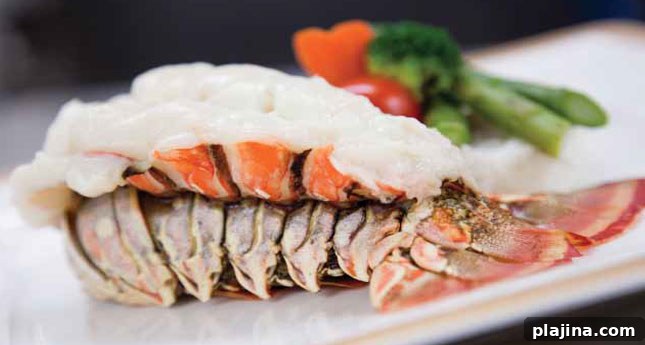
Foremost among the concerns of cruise passengers is food — the quality and variety of cuisine on board. Many guests choose a ship as much for its dining options as for its itinerary. To satisfy a more discerning clientele, cruise lines have upgraded their main dining rooms and buffets and introduced a wide array of specialty restaurants. These venues provide gourmet menus (often created by well-known chefs), attentive service, à la minute dishes, curated wine lists and elevated décor. Seating is limited, reservations are commonly required, and most specialty restaurants carry extra charges that vary by ship, menu and sailing. As luxury alternatives, these restaurants satisfy the demand for diverse dining choices while delivering memorable culinary experiences that can define a special voyage.
Specialty restaurants trace back to the Queen Mary in 1936 and were revived on Cunard’s modern Queens with The Verandah, where Michelin-recognized talent has shaped French regional menus. Items there are individually priced. Cunard’s Queen Mary 2 later expanded its gourmet offerings by adding a Todd English restaurant, featuring Mediterranean-influenced dishes and signature desserts for surcharges that remain lower than many land-based equivalents.
In recent years specialty dining has returned to prominence across most major lines. Norwegian Cruise Line’s Freestyle Dining program lets passengers explore stand-alone options — from a churrascaria to a French bistro, Italian café or Asian-fusion venue — typically for a modest cover charge. Princess Cruises emphasizes multiple choices as well: Sabatini’s offers a full Italian menu in a Tuscan villa setting for a cover fee, the Crown Grill is famous for lobster and steak, and the Chef’s Table and private dining experiences serve small groups with multi-course menus and wine pairings for higher supplemental charges. Princess also stages Wine Maker’s Dinners and cellar tastings for limited groups.
Chefs at sea have used specialty restaurants to experiment. Celebrity Cruises’ Qsine, for example, adopts an inventive approach that replaces traditional course sequencing with playful, unusual dishes and presentations, available for a cover charge. Another widespread favorite is the steakhouse format: Carnival Splendor’s Pinnacle Steakhouse operates like a supper club with live music and sommelier service, while Princess’s Bayou Café Steakhouse combines Cajun and Creole flavors with live jazz for a moderate extra fee.
High-profile chefs have lent their names and creativity to shipboard dining. James Beard Award-winner Michael Schwartz oversees 150 Central Park aboard Royal Caribbean’s largest ships, offering multi-course menus for a supplemental fee. Holland America’s Pinnacle Grill provides an elegant setting for refined beef and seafood, and occasionally brings celebrated restaurant concepts to sea for special evenings. Celebrity Cruises’ newer ships have expanded specialty choices dramatically; some ships now offer multiple gourmet venues, ranging from refined French-Italian tasting menus to chef-driven multi-course experiences with wine pairings.
At the top end of the market, certain specialty dining experiences command significant premiums. Disney Cruise Line’s Remy, developed with a noted French chef, presents multi-course tasting menus that start with Champagne cocktails and include refined seasonal dishes for a substantial cover charge. Ultra-luxury lines also offer extravagant multi-course dinners with wines for premium supplements.
Whether these surcharges are justified is debated. Some passengers view them as excessive add-ons, while cruise lines maintain the fees are modest compared with comparable shore-side gourmet meals and say the extra income often goes toward covering the costs of premium ingredients, staffing and specialized service. In some cases, added wine sales at specialty venues boost revenue, though lines often report these restaurants are not significant profit centers on their own.
Regent Seven Seas Cruises’ Prime 7 restaurant © Regent Seven Seas Cruises
Some lines buck the surcharge trend by including at least one complimentary specialty dinner per guest. Seabourn’s Restaurant 2 offers a weekly no-cover booking per passenger, with a Mediterranean menu that changes nightly. Oceania’s Red Ginger and other upscale lines provide complimentary or limited free specialty meals; in some cases, return visits carry a cover charge. Crystal Cruises and Regent Seven Seas extend one included specialty visit per guest while offering the option to return for a fee. Frequent cruisers also report that specialty restaurants often run promotions, early-bird discounts or packaged deals that cover multiple venues for an entire cruise.
For passengers seeking elevated cuisine, varied menus or a special evening in an intimate, world-class setting, paying extra for specialty dining can be worthwhile. These venues broaden the shipboard culinary palette and create memorable dining experiences that can be a highlight of the voyage.