
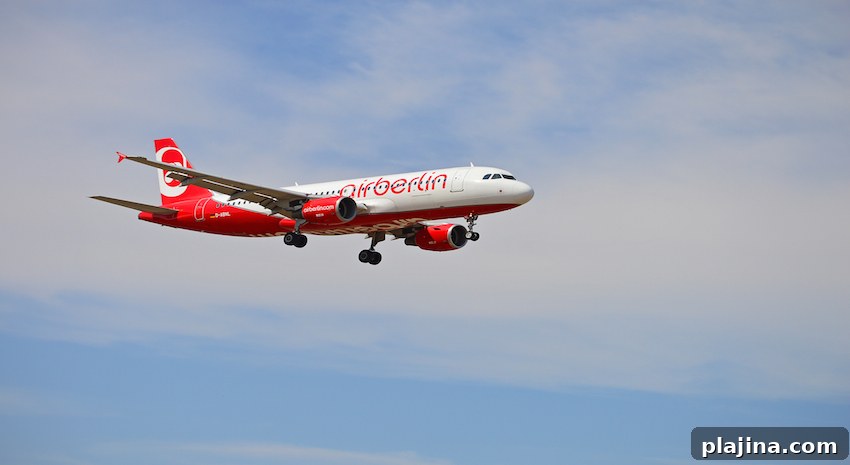
Airberlin filed for bankruptcy last month, a development that reflected the airline’s prolonged financial difficulties, including the recent withdrawal of its largest investor, Etihad Airways.
Industry analyst CAPA noted that airberlin recorded net losses in eight of the prior nine years. Following the bankruptcy filing, the German government agreed to provide a €150 million bridge loan to keep key operations running and to maintain service continuity while a resolution is sought.
A Lufthansa spokesperson said the carrier is “supporting the restructuring efforts of the airline jointly with the German government.” Lufthansa confirmed it is negotiating with the airberlin Group to acquire parts of the business and added that it “intends to conclude these negotiations successfully in due course.”
Etihad Airways described the bankruptcy as “extremely disappointing,” noting that it had supported airberlin through liquidity challenges and restructuring over the past six years. As a minority shareholder, Etihad stated it could not provide additional funding that would increase its financial exposure but said it remained open to helping identify commercially viable solutions. Etihad also expected airberlin’s operations to continue during administration.
The move underscores broader pressures in Europe’s aviation sector, where legacy carriers face rising operational costs, intense competition from low-cost airlines, and fluctuating demand. For airberlin, a history of recurring losses and strategic setbacks culminated in the recent insolvency filing, prompting swift government intervention to preserve network links and jobs while potential buyers and stakeholders explore restructuring options.
As negotiations proceed, key issues for any purchaser or restructuring plan will include route networks, fleet composition, employee contracts, and slot allocations at major airports. Observers expect resulting deals to focus on preserving profitable routes and integrating viable assets into stronger carriers, while less sustainable operations may be scaled back or discontinued.
Passengers affected by the bankruptcy are advised to consult official communications from airberlin and relevant carriers for information on bookings, rebookings, and refunds. Regulators and aviation authorities will continue to monitor developments to ensure safety and minimize disruption to travelers.
While the short-term injection of public funds aims to stabilize operations, the longer-term future of airberlin will depend on successful negotiations, potential asset transfers, and a clear plan to address the underlying financial issues that have plagued the airline for years.