After a quiet period following the Great Recession, corporate meetings and incentive trips have returned in force — but they look different. A major reason is the growing influence of millennials in the workplace, which has reshaped expectations for programming, format and experience.
Traditional programs featuring long days in dark meeting rooms, nightly banquet dinners, forced teambuilding and bulky binders full of printouts and PowerPoint handouts are becoming rarities. Modern corporate meetings and group getaways tend to be less rigid, more technology-driven and focused on engagement rather than passive attendance.
Since 2008, many companies avoided destinations like Las Vegas that could appear extravagant. As the economy recovered, that caution faded. “We don’t see any ‘no-go’ destinations the way we did a few years ago,” said Rhea Stagner, vice president of industry relations and sourcing at Maritz Travel. “And no longer are luxury hotels considered bad. Somebody can actually admit they are going to a Four Seasons.”
Popular U.S. host cities such as Chicago, Las Vegas, Orlando, Dallas, Atlanta and Phoenix remain in demand. For incentive trips, the Incentive Research Foundation found that North America, the Caribbean and Europe are top choices, followed by Central and South America and Asia, with Asia especially attractive to technology firms.
Some meeting planners are thinking outside the box and booking corporate safaris in Africa. © Inna Felker | Dreamstime.com
Planners are also exploring more adventurous and less-traditional destinations. Many attendees are already well-traveled, so novelty matters; places such as Singapore, Baku, Australia or an African safari can create memorable experiences. IRF research highlights China, Bali, Vietnam and Peru as rising choices for corporate gatherings.
Another trend is selecting nontraditional sites and all-inclusive options to control budgets. Jeff Broudy, executive vice president at United Incentives, notes that while budgets have grown, clients and attendees are more averse to unexpected costs. All-inclusive programs lock in food and lodging and prevent surprises such as expensive bar tabs. “That way, not only is the budget fixed, but participants don’t have to reach into their pockets,” he observed.
Cruising — especially river cruising — is also gaining popularity for incentives because it combines luxury with ease and is an experience planners enjoy promoting.
Program length has shortened too: many week-long events have been condensed into four- or five-day formats that still deliver value while respecting attendees’ time. And the single biggest driver of change is technology.
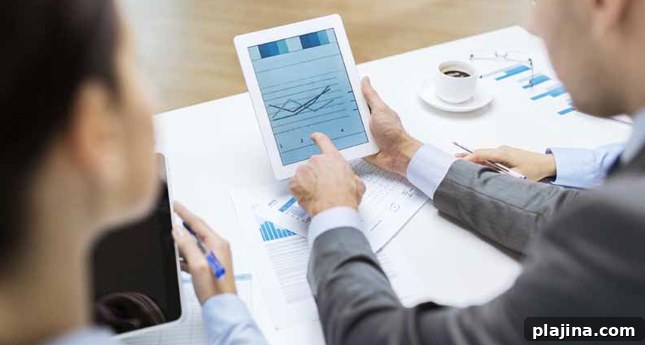
Ubiquitous smartphones, tablets and increasingly available WiFi have transformed the meeting experience. Attendees can follow live presentations through mobile feeds, respond to questions in real time and access concurrent sessions on demand. Presenters can adapt based on live feedback, and participants who can’t attend in person can still engage remotely. This capability extends the life and impact of events far beyond the physical meeting.
“Companies want to translate the brand, the content and the speaker into a cohesive experience and find unique ways to leverage personal technology to experience a meeting in a more participatory way,” explained Jim Russell, senior vice president of sales development at Freeman Audio Visual.
For incentive programs, customized mobile apps often replace printed schedules, maps and FAQs. Apps can provide dining locations, dress codes, appointment times, weather updates and photo galleries attendees can share. Making information accessible via mobile devices also supports greener events by reducing printed materials.
Woman attending a meeting © Pojoslaw | Dreamstime.com
Reliable WiFi that can handle group usage is essential. Many hotels now offer free WiFi, and if not, planners should negotiate it into the contract. Outside the U.S., hotels may charge fees that are negotiable and often represent pure profit for the property.
Social media plays a central role in amplifying events. Tools that aggregate attendee posts from Twitter, Instagram and other platforms create a live feed of impressions and can be embedded on websites. Post-event previews, session webcasts and follow-ups help extend reach and measure impact.
Measuring success has evolved beyond financial ROI to include emotional ROI: engagement metrics such as webinar attendance, social media activity and hashtag use help quantify how an event resonated. “It’s not just about the event, but about boosting the experience and how to make the event better for employees,” said Chris Dwyer, research director at Ardent Partners.
Organizations increasingly view meetings as ongoing touch points within a broader engagement strategy, not one-off events. Consistent, valuable communication before and after a meeting reinforces the ideas and relationships formed during the program.
Health and wellness are also more prominent at corporate events. Companies incorporate early-morning fitness sessions, walks and fun runs into agendas, and hotels have launched wellness meeting programs that include curated menus, mental and physical exercises, aromatherapy and other elements to support productivity. With a large percentage of business travelers using hotel fitness centers, adding healthy options is both practical and appreciated.
Event programs may include a fitness break as a healthy component. © Ruslan Kudrin | Dreamstime.com
Family-friendly options and more adventurous activities are increasingly requested, as younger attendees want to include spouses and children or choose experiences that fit their interests. Options such as whitewater rafting, mountain biking and hands-on workshops in cooking or photography are in demand.
Choice and flexibility are now essential. Rather than rigid schedules that require everyone to participate in the same activities, organizers offer free time and provide allowances or credits so attendees can personalize meals or leisure time. Millennials in particular value unique experiences, so community service projects and authentic local activities remain popular ways to connect participants to the destination.
Swag has evolved too. Electronics remain popular, but curated gift experiences tied to the event location or theme replace one-size-fits-all giveaways. For example, a beachfront meeting might feature a pop-up sunglass boutique where attendees can try styles, get feedback and take home a personalized item — a memorable keepsake that generates buzz and goodwill.