
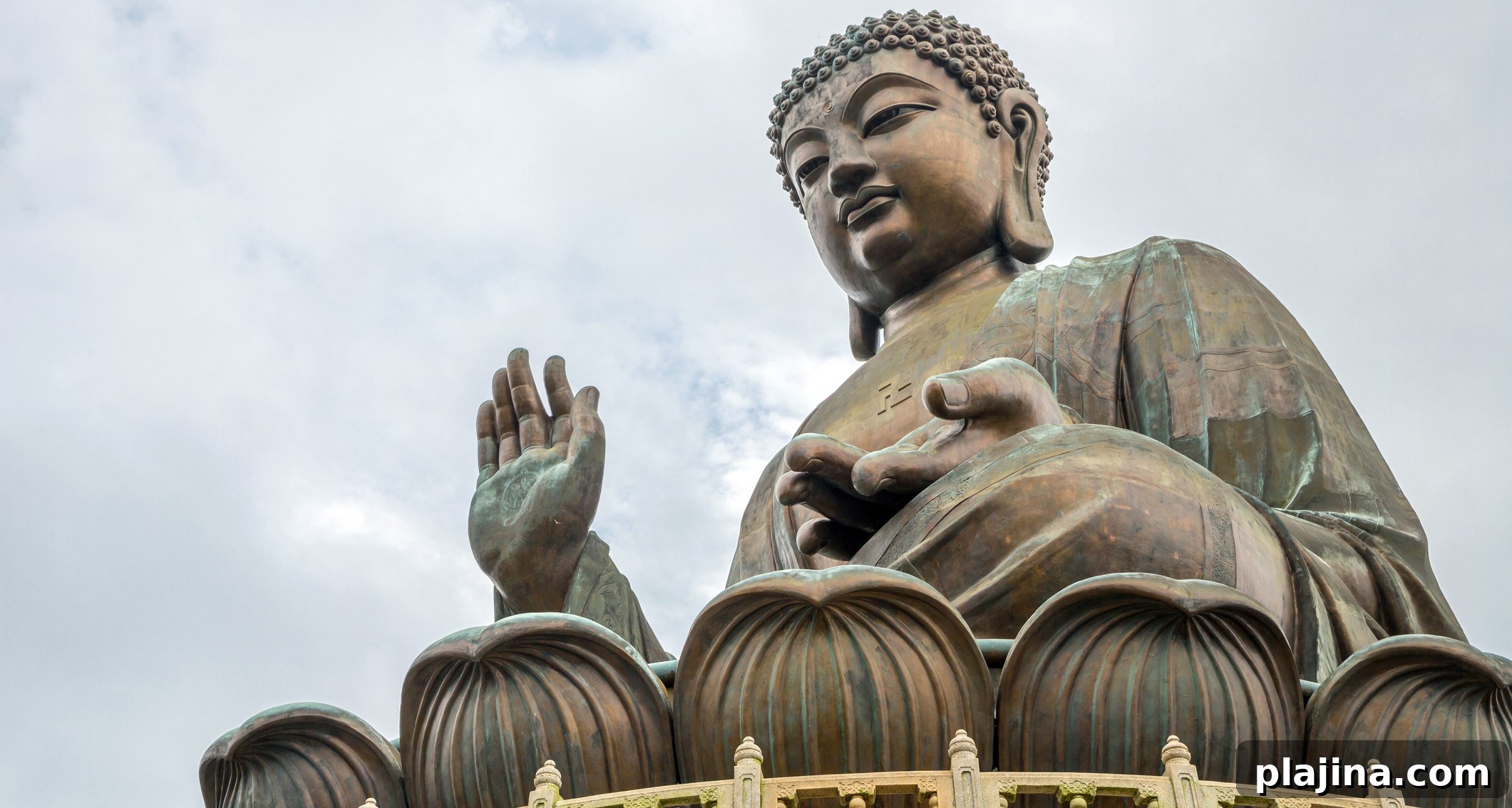
Across Asia, colossal Buddha statues, Buddhist monuments, and cave temples function as both sacred sites and major tourist destinations. The tradition of creating large-scale Buddha sculptures and developing cave temples flourished between the 3rd and 5th centuries. Many of these monumental works were commissioned by rulers or state institutions and required vast labor and time to complete, reflecting deep religious devotion as well as political patronage.
These sites offer a layered experience: they are active places of worship for local Buddhist communities, and they also attract international visitors who come to admire their artistry, architecture, and historical significance. The scale and intricacy of the sculptures—ranging from seated Buddhas carved into cliff faces to freestanding statues dominating temple courtyards—demonstrate sophisticated techniques in stone carving, metalwork, and mural painting developed over centuries.
Beyond the sculptures themselves, associated monasteries, prayer halls, and surrounding landscapes play an essential role in how these sites are used and perceived. Monasteries often serve as centers for teaching, meditation, and ritual, while the natural settings of many cave temples enhance the sense of seclusion and contemplation that pilgrims seek. Cave complexes frequently contain extensive networks of chambers and corridors adorned with frescoes, reliefs, and inscriptions that document religious narratives and local history.
Government sponsorship and elite patronage were crucial to the construction and maintenance of these monuments. Funding and political support enabled large-scale projects that would have been impossible for individual patrons alone. Over time, these sites became symbols of cultural identity and continuity, preserved through cycles of renovation and restoration prompted by changing dynasties, religious movements, and community efforts.
As tourism has grown, many Buddha statues and cave temples have taken on additional roles. Conservation efforts aim to balance public access with the preservation of fragile artworks and sacred practices. Visitor facilities, interpretive signage, and guided tours help contextualize the sites for international audiences, while local custodians work to maintain ritual uses and traditional care. Responsible tourism practices are increasingly emphasized to protect the spiritual integrity and material condition of these monuments.
Visiting these sites offers insight into the diverse expressions of Buddhism across regions. Differences in artistic style, iconography, and architectural layout reflect local materials, skills, and religious interpretations. Whether experiencing the quiet of a mountain monastery, the awe of a towering seated Buddha, or the intimacy of a painted cave sanctuary, travelers encounter centuries of devotion rendered in stone, pigment, and metal.
Ultimately, colossal Buddha statues and cave temples remain powerful symbols of faith and creativity. Their continued relevance depends on thoughtful stewardship that honors both their religious meaning and their value as cultural heritage. For pilgrims and tourists alike, these monuments provide a profound connection to history, artistry, and spiritual practice.