
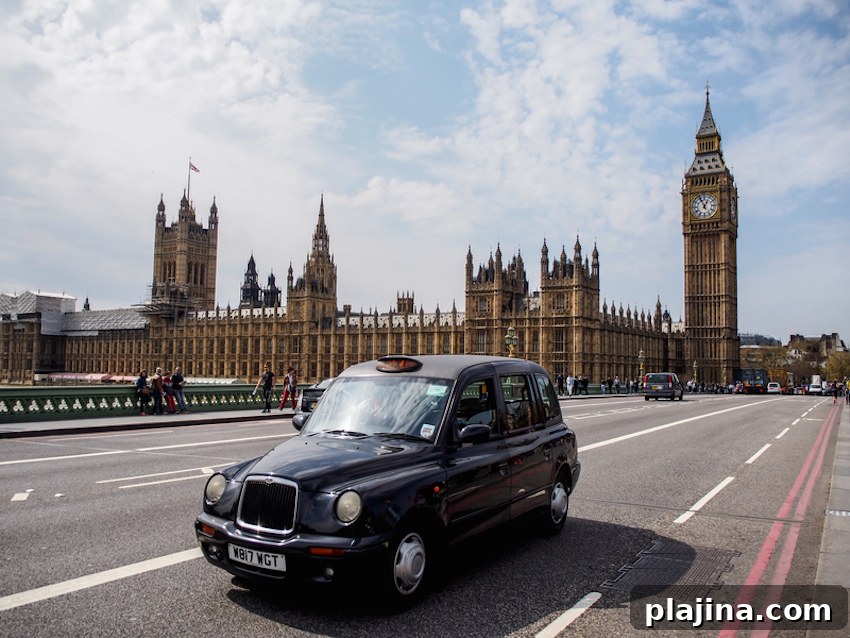
The familiar black taxis that cruise through London’s busy streets are being replaced by quiet, electric models. The city has mandated that all licensed London taxi drivers transition from internal-combustion vehicles to electric cabs; currently 34 electric taxis are in service and about 20 new electric cabs are being added each week.
These vehicles represent the first international sales from Geely Automobile Holdings Ltd., a Chinese automaker whose UK subsidiary, the London Electric Vehicle Company, developed the new taxis. Branded as the “electric TX,” the taxis use eCity technology that combines a battery-electric drivetrain with a small gasoline range-extender generator. This hybrid setup provides a working range of more than 400 miles and dramatically reduces tailpipe emissions compared with conventional taxis. With that range, drivers can cover long routes — including trips to cities such as Edinburgh or Paris — with minimal need to refuel or recharge during the day.
Geely’s leadership says the switch to electric taxis will reduce operating costs for drivers, estimating weekly fuel savings of up to $129 per vehicle. Passengers also benefit from improvements: the electric powertrain produces less vibration and cabin noise, and the new cabs include modern conveniences such as charging sockets for phones and in-vehicle WiFi.
The gradual rollout and steady monthly additions mean the electric taxi fleet will expand quickly while allowing drivers and operators to adapt to charging infrastructure and maintenance changes. By moving to low-emission technology, London aims to improve air quality and offer a quieter, more comfortable ride for residents and visitors alike.
Vehicle designers emphasize practicality for urban taxi service: the electric TX retains the spacious cabin and accessibility features taxi passengers expect, while the extended driving range and range-extender generator reduce range anxiety for drivers working long shifts. Charging networks and depot solutions are being coordinated to support overnight and opportunistic charging during breaks, helping drivers maintain high utilization without lengthy downtime.
Beyond immediate operational savings and passenger comfort, the new electric taxis contribute to broader environmental goals. Reduced emissions from a growing fleet of electric vehicles support city efforts to lower pollution and meet climate targets, while quieter streets improve the urban experience. As more electric cabs enter service each week, London is demonstrating how a major global city can transition traditional taxi fleets toward cleaner, more efficient technology without compromising service or accessibility.