
Ireland’s historic Easter Rising of 1916, also called the Easter Rebellion, set in motion the events that led to the establishment of the Irish Republic. To mark the centenary, Ireland Ways offers a self-guided walking route available year-round. The route begins in the village of Clonegal, crosses the Wicklow Mountains and finishes in Dublin, covering just under 80 miles in total.
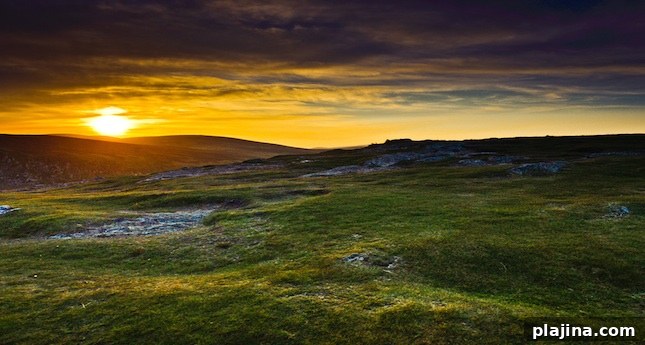
Walkers follow a varied mix of country lanes linking villages, forest tracks and mountain trails, including the route through Glenmalure, Ireland’s longest glacial valley. Key highlights include the 6th-century monastic settlement at Glendalough, the Victorian landscaping and gardens at Marlay Park, and sweeping views of Lough Dan and Lough Tay, locations familiar to viewers of the television series Vikings.
First waymarked in 1980, this trail was Ireland’s inaugural marked walking route and remains one of the country’s most popular long-distance walks. Ireland Ways offers itineraries suited to different paces and schedules, from three-night short breaks to more relaxed eight-night journeys. Daily breakfast is included in the packages, and accommodations are selected for their location, comfort, friendly service and character, ranging from hotels to welcoming guesthouses.
Practical arrangements are included to make the walk accessible: luggage transfers between overnight stops, detailed route maps and guidance notes with tips for navigation and safety. Walkers of average fitness can comfortably tackle the route, though some sections are mountainous and require appropriate footwear and basic hill-walking experience.
For those who want to combine walking with historical exploration, the trip can be extended at the end to spend additional time in Dublin. Visitors may choose to visit key Easter Rising sites such as the General Post Office and Kilmainham Gaol to deepen their understanding of the events of 1916.
This self-guided route blends natural beauty, historic sites and cultural attractions, offering a flexible way to experience the Wicklow Mountains and Dublin while commemorating an important chapter in Ireland’s history.