
Considered Mexico’s original cradle of tourism, Acapulco rose to international fame when Hollywood stars and celebrities discovered its seaside charm in the 1950s and 1960s. During that golden era, the Pearl of the Pacific became a playground for the rich and famous—Frank Sinatra, John Wayne, Elizabeth Taylor and visiting heads of state all frequented its hotels and beaches. Films like Elvis’ Fun in Acapulco and television shows such as The Love Boat helped spread Acapulco’s allure around the world.
Over time, natural cycles, economic decline and violence linked to organized crime dimmed some of the city’s sparkle. Yet in recent years Acapulco has shown a resilient revival. Designer hotels and restored mid-century properties now sit alongside contemporary resorts. A burgeoning culinary scene and dynamic nightlife appeal to a wide range of visitors, and new convention and entertainment facilities have brought fresh energy and investment to the destination.
On a recent three-day visit I rediscovered the city’s blend of nostalgia, nature and modern amenities. I checked in at Las Brisas, an iconic property that captures much of Acapulco’s historic glamour. Perched above the bay, the pink-and-white resort offers some of the most panoramic views in the city, and its private villas and terraced pools recall the heyday when presidents and movie stars stayed here. The hotel’s leafy terraces, flowering hibiscus and classic architecture make it an especially romantic choice for couples.
My villa included a private pool dotted with floating hibiscus flowers—perfect for refreshing dips between sun and shade. At sunset I headed to the Sunset Bar to watch the sky deepen over Acapulco Bay, then dined at Bella Vista Restaurant where Chef Sergio crafts an international menu designed to match the sweeping night views. With lights twinkling across the water, the atmosphere was intimate and cinematic.
Cliff diver at La Quebrada © Cenk Unver | Dreamstime.com
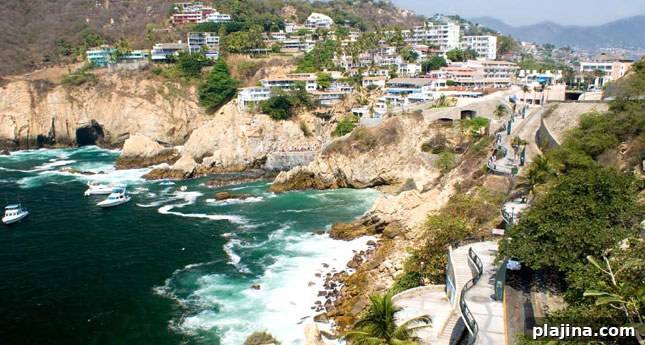
No visit to Acapulco is complete without seeing the famous cliff divers at La Quebrada. Performing since the 1930s, these athletes leap from rocky cliffs more than 136 feet above the Pacific, timing their dives to the incoming waves. Spectators watch from viewing platforms and nearby restaurants, where a margarita and a good vantage point make for an unforgettable performance. La Quebrada remains one of the city’s most dramatic and enduring attractions.
Nearby, the Casa de los Vientos houses a mural by Diego Rivera, tucked between La Quebrada and the Sinfonía del Mar. Because it can be difficult to find on your own, a local guide can help you locate and fully appreciate this lesser-known cultural gem.
For a deeper look into Acapulco’s past, visit the Fort of San Diego Museum. The star-shaped fort—first built in 1616—protected the bay from pirates and foreign incursions and later became a major Spanish stronghold on the Pacific coast. The museum’s collections include maps, religious artifacts and items linked to the Manila galleons that connected Acapulco to the Philippines, as well as trade with Peru, Chile and Central America. Exhibits explain the city’s role in historic trans-Pacific trade in spices, silk, porcelain and other goods.
Beyond beaches, Acapulco preserves remarkable natural landscapes, including a large freshwater lagoon fringed by dense mangroves. The lagoon, which stretches miles in length and width, supports abundant birdlife—herons, egrets and storks are common—and offers excellent bird-watching opportunities. Binoculars and a camera are recommended. The lagoon’s quiet channels and reed-lined banks also provided the backdrop for early Tarzan films.
I explored the lagoon by pontoon boat with a guide, drifting through mangrove tunnels and past nesting birds and the occasional iguana. At one stop we came upon a lake of lotus flowers; my guide fashioned a blossom for my hair and wove a simple necklace from lotus stems. In a playful turn, he then dove to the lagoon floor to gather mud for a traditional black mud mask—used locally for its exfoliating and restorative properties. My companion and I smeared the mineral-rich mud on our faces, indulging in a hands-on, natural spa ritual amid the mangroves.
Acapulco’s infrastructure has also advanced: the Expo Mundo Imperial convention center, one of the region’s most modern facilities, has positioned the city to host large events and conferences. Located in the Diamante sector near the airport, the complex includes exhibition space, hotels, a promenade and entertainment venues. Nearby shopping and resort developments have risen to complement the convention center, attracting both business and leisure travelers.
Acapulco after sunset © Anthony Aneese Totah, Jr. | Dreamstime.com
Nightlife remains one of Acapulco’s defining features. Locals often say there are two Acapulcos—the daytime city of beaches and sightseeing, and the nocturnal city where clubs, bars and live music keep the energy high until dawn. Venues range from sophisticated lounges and piano bars to high-energy nightclubs with cutting-edge light and sound shows. Most nightspots come alive after midnight, offering everything from techno and electronic music to hip-hop and regional sounds. For quieter evenings, terraces and private balcony pools offer the chance to enjoy moonlit views over the bay.
Acapulco Info to Go
Acapulco International Airport receives flights from several carriers, often connecting through Mexico City. Taxis are the most practical way to get around the city; at the airport you will use the official airport transport service. Travel time from the airport is roughly 20 to 30 minutes, depending on your destination within Acapulco. Visitors should stay informed about local conditions and exercise common-sense precautions when traveling; while violence related to organized crime has affected the region, it is not typically directed at tourists. Staying aware of your surroundings and following local guidance will help ensure a safe visit.
Where to Stay in Acapulco
Banyan Tree Cabo Marqués A five-star property that blends Asian and Latin American design. Each villa includes a heated pool and some offer outdoor showers. The spa provides a range of treatments that mix Eastern and Western techniques. Lote 1, Col. Punta Diamante
Las Brisas Hotel A classic Acapulco resort on 40 acres overlooking the bay, Las Brisas is known for its views, private beach club, hibiscus-laced pools and memorable dining. Fracc. Las Brisas
Hotel Boca Chica A standout example of mid-century modern design with uniquely styled rooms and exclusive service; guests can even arrive by private boat. Playa Caletilla, Fracc. Las Playas
Restaurants in Acapulco
Bellavista Restaurant Located at Las Brisas, Bellavista offers international cuisine with striking views of Acapulco Bay. The setting is ideal for a romantic evening and the menu highlights seasonal, high-quality ingredients. Las Brisas Hotel, Fracc. Las Brisas
La Cabaña de Caleta Restaurant A favorite with locals for fresh seafood and traditional dishes such as ceviche and paella. The restaurant features a full bar and a relaxed, authentic atmosphere. Calle Playa Caleta, Fracc. Las Playas
Tony’s Asian Bistro Restaurant Chef-driven fusion of Asian and French flavors, prized for attentive service and creative cuisine. Av. Escénica Las Brisas
Acapulco today offers a layered experience: a storied past, dramatic natural scenery and renewed cultural and hospitality offerings. Whether you come for the cliffs, the beaches, the food or the nightlife, the city’s mix of vintage charm and modern amenities makes it a compelling coastal destination.