
Brasserie VietNam, the newest culinary destination on Bleecker Street in New York City’s West Village, blends French elegance with the warm, tropical spirit of Vietnam.
French influence in Vietnam dates back to the late 1800s and continued through 1954 after the Geneva Accord. That history left a lasting mark on Vietnamese culture, most clearly visible in its food. At Brasserie VietNam, diners experience that fusion firsthand through a menu and atmosphere that celebrate both traditions.
© Brasserie VietNam
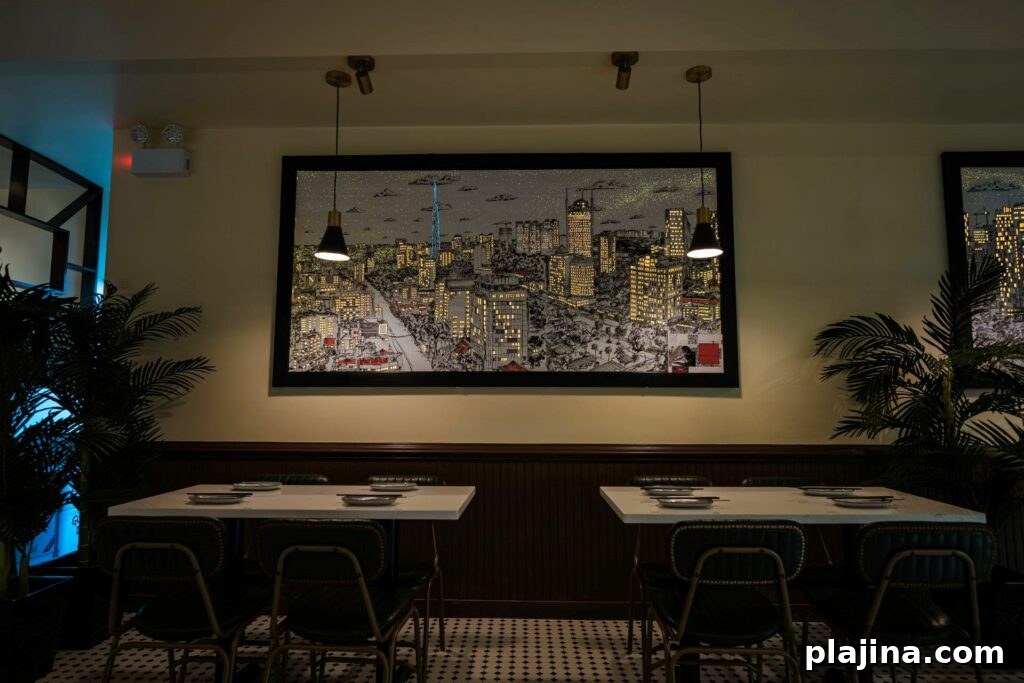
The dining room is split between two distinct moods: one side evokes Southeast Asia with small palm plants and a tropical palette, while the other recalls a classic French brasserie with exposed brick and brass accents. Two back-lit paintings by British artist Richie Fawcett depict Ho Chi Minh City’s skyline, brightening the Southeast Asian side and reinforcing the restaurant’s cross-cultural narrative.
Head chef Ray Huang brings deep knowledge of Vietnamese techniques from his training at restaurants across Vietnam. He is joined by chef Joel Wu, a Culinary Institute of America graduate who worked at Michelin-starred kitchens including New York’s Le Bernardin and Roister in Chicago. Chef Wu’s French training complements Huang’s Vietnamese expertise, producing a thoughtful, balanced menu. Brasserie VietNam divides its offerings into 13 small plates and 11 entrées, featuring meats, seafood, noodle and rice dishes.
© Brasserie VietNam
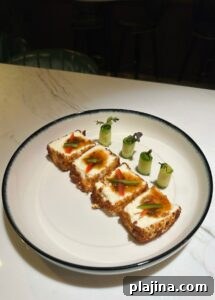
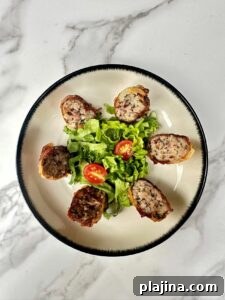
Signature small plates transform familiar Vietnamese items with refined touches. The bánh mì slider swaps traditional cold cuts for filet mignon and black truffle pâté on a miniature baguette. Other starters include marinated chicken thighs served with a mint chutney; a crunchy spring roll filled with shrimp, minced pork, water chestnut and jicama, paired with a nuoc cham dipping sauce; and grilled bone marrow finished with house sambal, palm sugar and peanuts, served with toasted baguette.
Brasserie VietNam often reinterprets classic preparations. A red snapper entrée is filleted, presented in its original form and finished with a tamarind glaze and a bright green mox sauce made from bell pepper, honey, lime and fish sauce. The menu’s ribeye and oxtail pho features raw Angus ribeye and oxtail simmered with scallion, onion, cilantro, basil and garlic, with traditional condiments such as fish sauce and sriracha available on the side. A green noodle dish pairs fried tofu, shiitake mushrooms, cucumber, carrot, fresh herbs and vermicelli tossed in a vivid green sauce.
© Brasserie VietNam
Rolls and summer rolls at Brasserie VietNam reflect contemporary trends in Vietnam, where diners experiment with varied fillings. The restaurant’s summer roll swaps the usual shrimp for grilled salmon for a lighter, smoky profile that still honors the dish’s fresh herb and rice-paper character.
Saigon Sunset © Brasserie VietNam
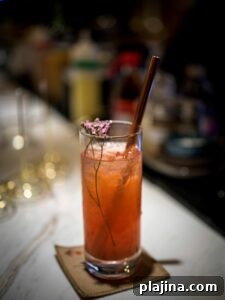
The beverage program features handcrafted cocktails conceived by owner and beverage director Roy Chai, inspired by his time bartending in Vietnam. The Tipsy Forest highlights Vietnamese shochu with pandan, coconut and lime for a fragrant, balanced drink. Hot Lips blends shochu with lychee, pineapple, chili, ginger and lemongrass for a sweet-spicy combination. Mekong Night captures the river region’s fresh produce with shochu, cucumber, elderflower and butterfly-pea juice. Shochu, a distilled spirit comparable to vodka but slightly sweeter and lower in alcohol, anchors these cocktails. The popular Saigon Sunset mixes banana syrup and grenadine to evoke a watermelon-like sweetness, finished with a dried lemon garnish.
For those planning a weekend visit, reservations are recommended to ensure a table.