
One of the most captivating cities in the Nordic region, Norway’s capital Oslo is a museum lover’s delight. Beyond the downtown offerings, a remarkable cluster of museums lines the waterfront just a short trip from the city center, all easily reached via Oslo’s efficient public transport. The Oslo Pass app simplifies planning and gives complimentary access to many institutions. Hop a bus and explore these outstanding museums along the fjord:
© VisitOSLO / Didrick Stenersen
Munch Museum
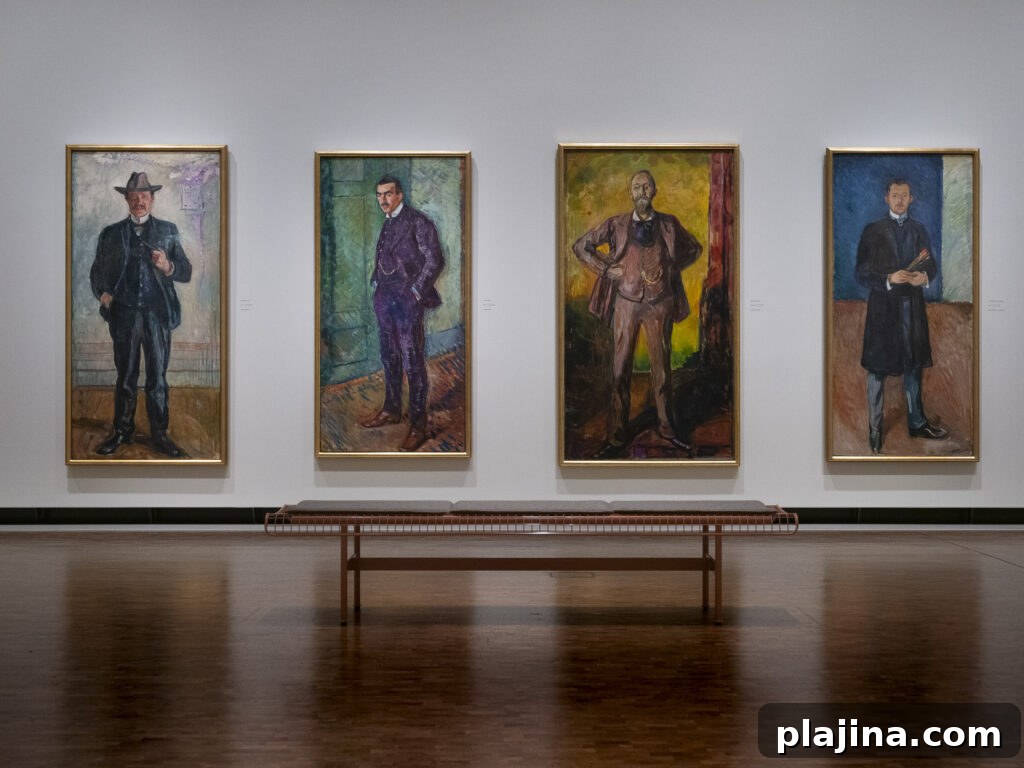
Dominating the Oslofjord shoreline, the Munch Museum houses an extraordinary permanent collection by Norway’s modernist master, Edvard Munch. The museum’s themed floors present paintings, sculptures, drawings, photographs, graphic works and film. Its holdings include etchings, woodcuts, lithographs and experimental combinations of print techniques. Several versions of Munch’s iconic The Scream are part of the collection; three of the four works (a painting, a print and a drawing) are typically on display, with one version illuminated on a rotating schedule. Spread across 13 floors, the museum also offers a ground-floor café, a 12th-floor Bistro Tolvte serving Norwegian specialties with impressive views, and a 13th-floor Skybar and Sky Room that host performances, club nights and talks with art experts.
© VisitOSLO / Didrick Stenersen
Kon-Tiki Museum
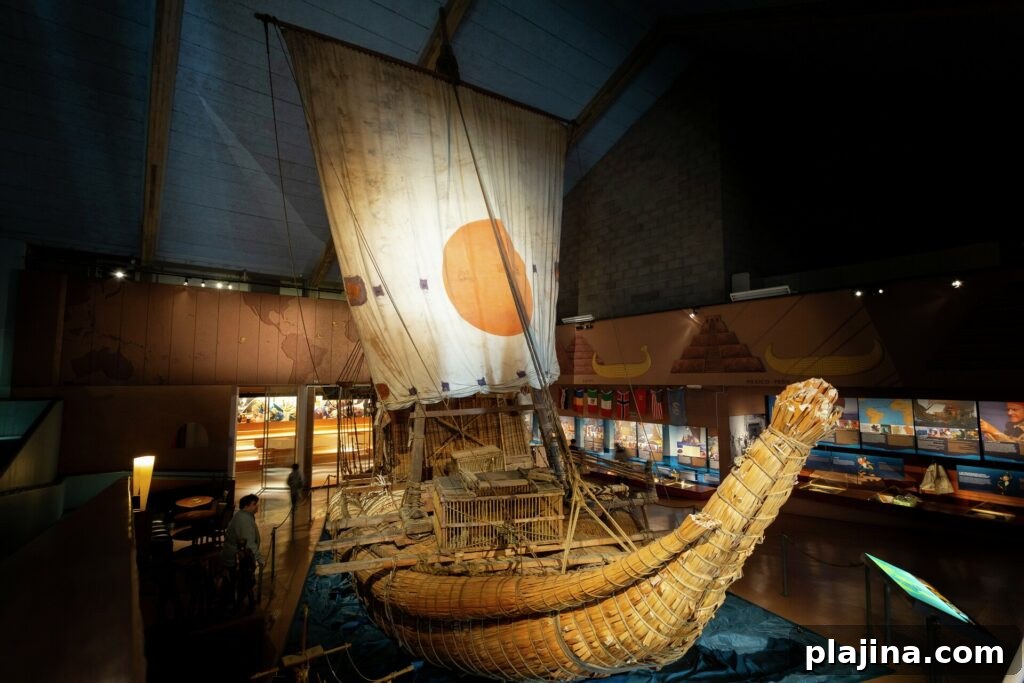
The Kon-Tiki Museum celebrates the life and expeditions of Thor Heyerdahl (1914–2002), the Norwegian adventurer who crossed the Pacific on a balsawood raft. The museum displays original vessels, a cavernous hall with sculptures from Easter Island, an underwater exhibit and Heyerdahl’s personal library. Exhibitions and films chronicle his life, including the couple’s years on Fatu Hiva in Polynesia, his experiences with the Kwakiutl peoples of British Columbia, and major voyages on Kon-Tiki, Ra and Tigris—the latter two crafted from reeds. The museum screens the 1950 Oscar-winning Kon-Tiki documentary daily from noon in its cinema room.
© VisitOSLO/Pål Laukli
The National Museum
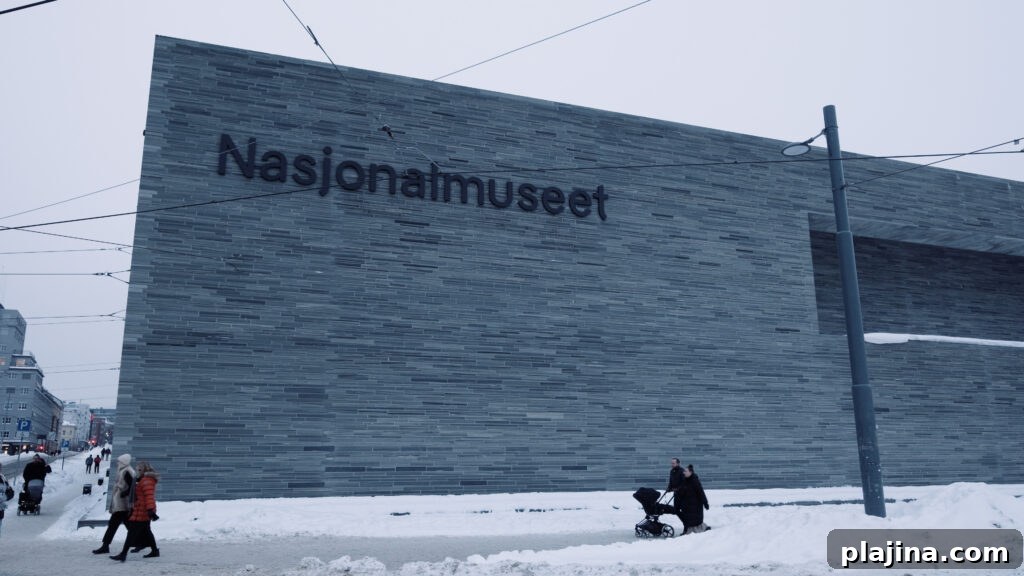
As the largest art museum in the Nordic countries, the National Museum brings together the former National Gallery, the Museum of Contemporary Art and the Norwegian Museum of Decorative Arts and Design. Located near the ferry harbor, it contains roughly 6,500 works spanning Norwegian art, architecture and design across about 3,000 years. The collection is organized chronologically in some 80 rooms, offering a thorough view of Norway’s artistic heritage and the historical, social and political narratives expressed through art. Plan to arrive early or return more than once to absorb the breadth of the displays.
© Trine Sirnes
Norsk Folkemuseum
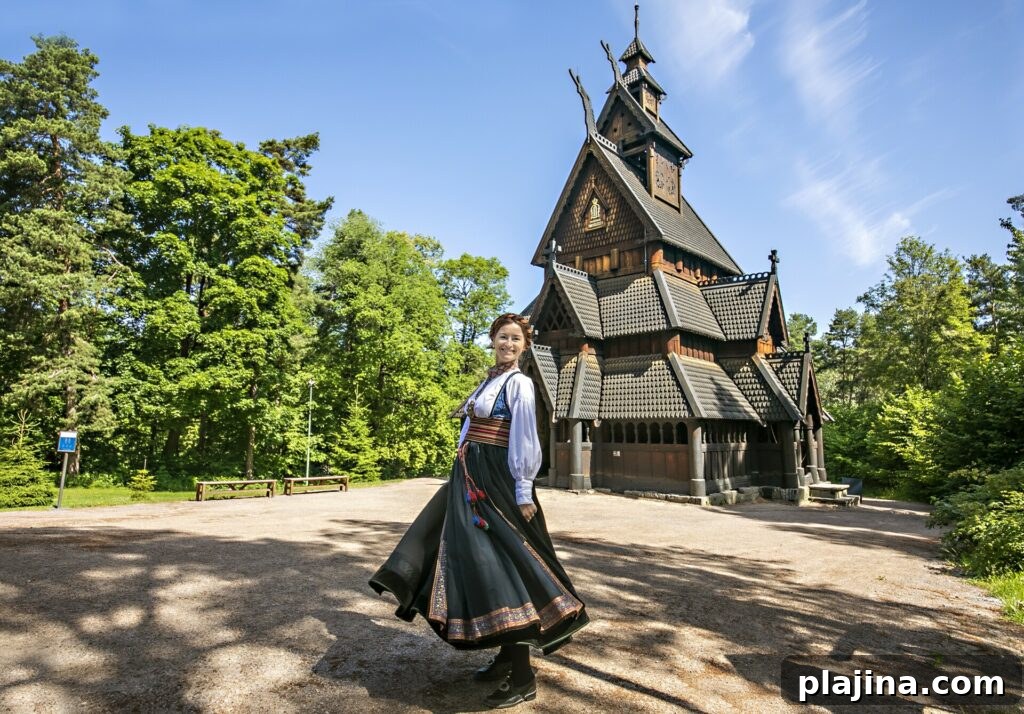
Norsk Folkemuseum is an immersive open-air campus of about 160 historic buildings that trace Norwegian life from the 16th century onward. Divided into three main areas, the museum is ideal for a full day of exploration. You’ll find a sod-roofed farmhouse, a traditional bathhouse, a reconstructed old town, and a stave church dating to around 1200, alongside a 19th-century apartment interior and structures from across the country. Exhibits include folk and fine art, weapons, textiles, Sami cultural artifacts and other objects that illuminate daily life and traditions through the centuries.
© Frammuseet / T. Storm Halvorsen
The Fram
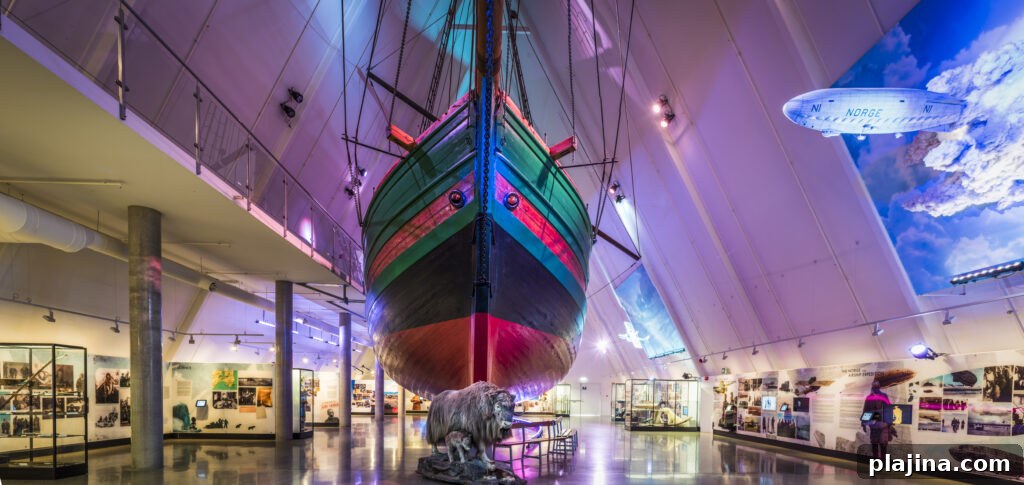
The Fram Museum is centered on the ship Fram, famed for record-setting polar voyages. The vessel itself is the museum’s highlight, and visitors can step aboard to experience the living conditions of explorers such as Fridtjof Nansen, Roald Amundsen, Otto Sverdrup and Oscar Wisting. Exhibits include Cold Recall, Amundsen’s lantern-slide lectures, and a Polar Simulator that conveys the challenges of polar travel. Nearby, the Gjøa building houses the ship Gjøa and exhibits focused on the Arctic and the Northwest Passage, enriching the story of early polar exploration.
© VisitOSLO / Didrick Stenersen
Norwegian Maritime Museum / Norsk Maritimt Museum
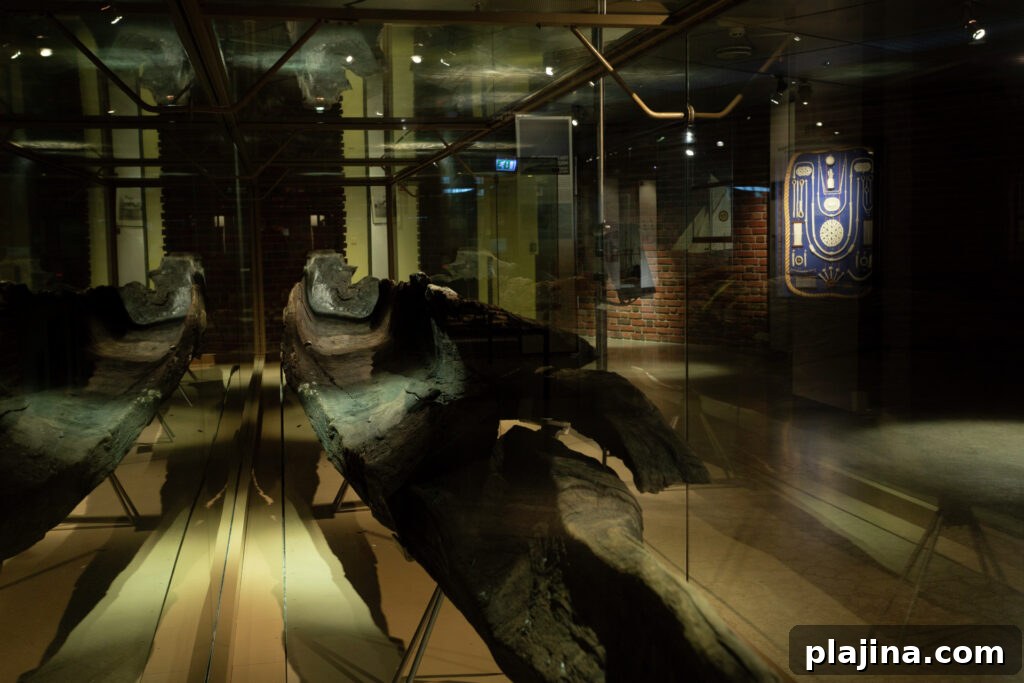
The Norwegian Maritime Museum explores Norway’s deep ties to the sea, from Viking boat-building traditions to modern seafaring life. Highlights include displays of Viking-age vessels, the Gram Collection of maritime paintings, ship models, sailors’ personal effects and an underwater-themed exhibit that blends real and mythical sea creatures. Visitors can also walk through the midsection of the historic passenger ship DS Sandnæs to get a tangible sense of maritime travel from past centuries.