
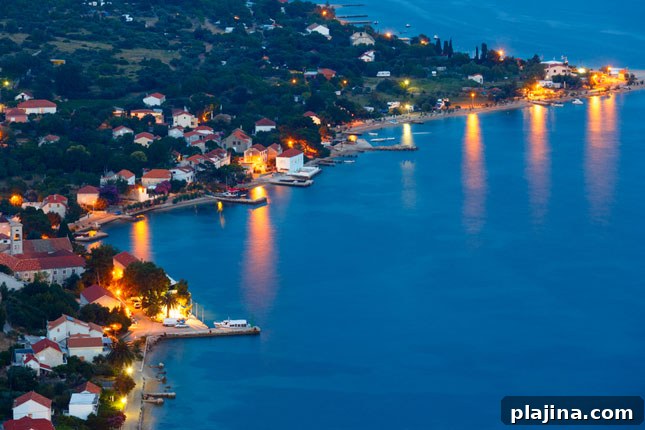
Croatia is poised for a significant rise in tourism this summer. With a coastline dotted by more than 1,000 islands, the country has already recorded a 43 percent increase in bookings for the year. This surge is largely attributed to Croatia’s entry into the European Union and a tax policy change that reduced sales tax on tourist services in January.
The government cut the sales tax on tourist services from 25 percent to 10 percent to make travel and tourism offerings more competitive and appealing to international visitors. Announced on February 6, the government also unveiled a major tourism investment plan: roughly $9 billion to be invested by 2020 to boost Croatia’s profile as a top global holiday destination. Tourism Minister Veljko Ostojic indicated that about one-third of that investment will be allocated to building new hotels and resorts, primarily along the Adriatic Coast.
These measures reflect a broader strategy to accelerate growth in the tourism sector and support infrastructure development that can handle rising visitor numbers. In 2012, Croatia welcomed more than 12 million tourists, and the combination of EU membership, lower taxes on tourist services, and a focused investment program is intended to sustain and expand that momentum.
Developments in hotel capacity, coastal resort upgrades, and incentives for tourism operators are expected to enhance the visitor experience and extend the tourism season. By targeting infrastructure, accommodation, and service improvements, authorities aim to position Croatia among the world’s most attractive holiday destinations and to capture a larger share of the European and global travel market.
With significant natural and cultural assets—historic coastal towns, well-preserved islands, and clear Adriatic waters—the country’s tourism strategy emphasizes both quality and growth. If current booking trends continue, Croatia is likely to see a strong summer season, bringing economic benefits to coastal communities and further strengthening its standing as a popular European destination.