
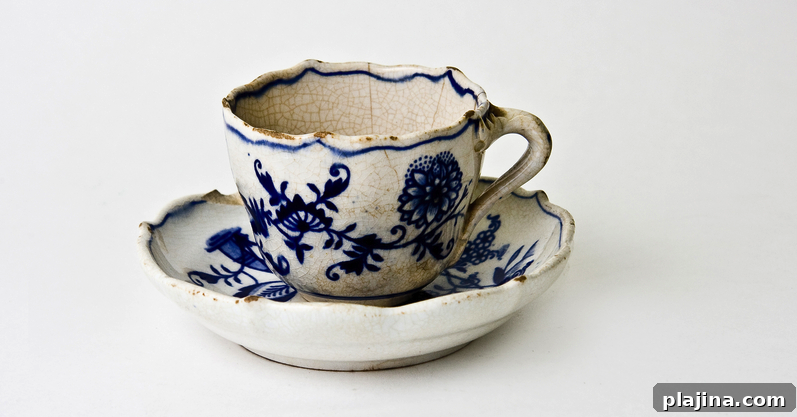
Three hundred years ago, Augustus the Strong, Elector of Saxony, commissioned porcelain so refined it could rival the finest Chinese imports. Production began in Meissen in a converted Gothic castle overlooking the Elbe River, launching a global fascination with European hard-paste porcelain.
Meissen porcelain is still crafted in the region today, though manufacturing has expanded beyond the original castle workshops. The brand continues to accept commissions from royalty and notable families across Europe, while also offering an expanded product line that includes home furnishings, architectural interiors and jewelry. Timeless designs such as the 1939 Royal Blossom collection remain in production, and the range now includes items from bridal accessories and silk scarves to rugs, mirrors and decorative pillows.
The legacy of Meissen is on display in Dresden, where Augustus the Strong’s collection of white-gold Meissen animals, early factory pieces and prized porcelain from the Ming Dynasty and the Kangxi period are exhibited in the Zwinger palace complex. The exhibition space was redesigned by New York architect Peter Marino, providing a modern backdrop for these historic works.
Meissen’s impact goes beyond individual pieces: the factory’s innovations established European porcelain as a luxury craft and influenced decorative arts for centuries. Collectors and interior designers prize Meissen items for their craftsmanship, distinctive painting techniques and historic provenance. Contemporary Meissen continues to balance traditional hand-painted motifs with modern collaborations and product categories that bring porcelain into everyday interiors.
Visiting Meissen offers both history and craftsmanship: guided tours of the production facilities reveal the stages of porcelain making, from model sculpting and mold casting to glazing and the delicate application of painted details. Museum displays emphasize the evolving styles and technical advances that set Meissen apart, while the factory shop and showrooms allow visitors to see current collections and limited-edition releases.
Whether appreciated as fine tableware, sculptural objects or integrated interior elements, Meissen porcelain represents a fusion of artistic tradition and technical mastery. Its centuries-old reputation endures through meticulous handcraft and ongoing innovation that keep the brand relevant to collectors, designers and anyone who values exceptional decorative arts.
You may also like:
Dresden: Perfect Pitch
German Christmas Markets: Visions of Sugarplums