
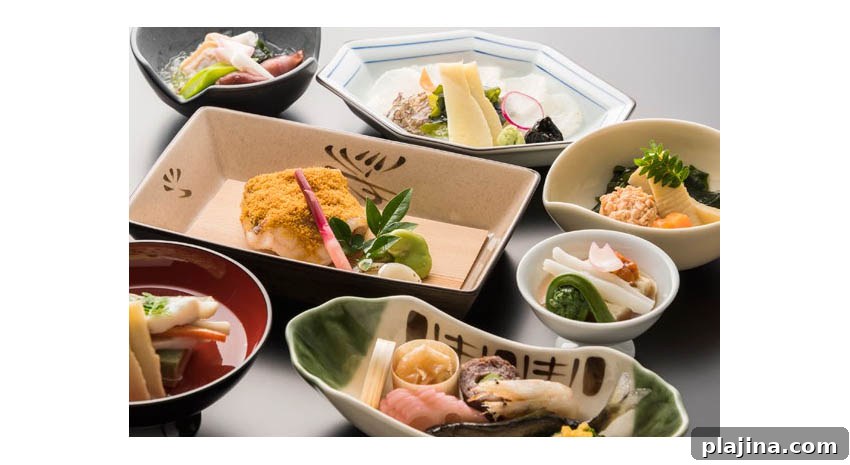
AIRLINE FOOD and the phrase “award-winning” are seldom used together, yet that description fits Japanese carrier All Nippon Airways. Its catering arm, ANA Catering Service Co., Ltd. (ANAC), has earned wide recognition for the quality and authenticity of its onboard cuisine.
Chef Hiroyuki Kawamura, manager for general administration, Japan cuisine at ANAC, focuses on highlighting the natural flavors of each ingredient within traditional washoku. ANAC selects seasonal produce and seafood so passengers can experience a sense of Japan’s four seasons even while flying. The airline also pioneered serving kaiseki, the refined, multi-course Japanese meal, onboard its flights.
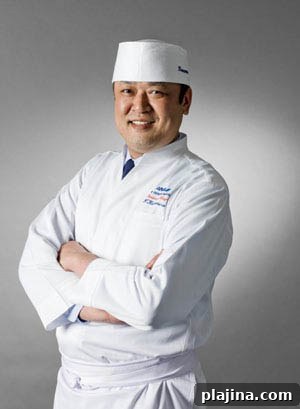
Kawamura started his culinary journey early, joining the Japanese Chef Association at 18 and working in several restaurants in Chiba Prefecture before becoming part of ANAC 13 years later. Since opening its first facility in Narita in 1989, ANAC has expanded to Haneda and Kawasaki in Tokyo, now operating three catering facilities that support a wide range of domestic and international services.
Which destinations inspired you, and how has that inspiration translated into your cooking/menus?
Aged beef T-bone in Chicago and fresh uni in Los Angeles each showcased how powerful pure, high-quality ingredients can be. I aim to bring that same respect for original flavors into washoku, using careful preparation and seasonality to let each ingredient shine.
Whom do you consider to be your culinary hero?
My culinary hero is Hiroshi Miyamura, who mastered traditional techniques in an old Kyoto restaurant. He taught me the fundamentals of Japanese cuisine, emphasizing precision and respect for ingredients.
What one person most influenced your cooking style, and how?
Chef Miyamura influenced me the most—not only in seasoning but also in the thoughtful selection of plates, the arrangement of dishes, and the visual presentation. Those elements are essential to the dining experience.
What is your favorite food city?
I recommend the Seijogakuen area in Tokyo, where the restaurant Seijoukitayama is housed in an old Western-style building. They serve vegetables from Saga Prefecture in Kyushu—fresh, flavorful, and prepared with care.
What do you think the next big trend on the food scene will be?
I expect to see more restaurants embracing washoku, focusing on local ingredients and preserving their fresh, natural tastes. This movement highlights sustainability and seasonality while celebrating the subtlety of Japanese culinary tradition.