
Each year the UNESCO World Heritage Centre adds culturally and naturally significant places to the World Heritage List. The selections range from national parks to archaeological sites, offering travelers and scholars alike a diverse set of must-see destinations. From the most recent inscriptions, here are seven notable sites that stand out for their ecological, historical and cultural importance.
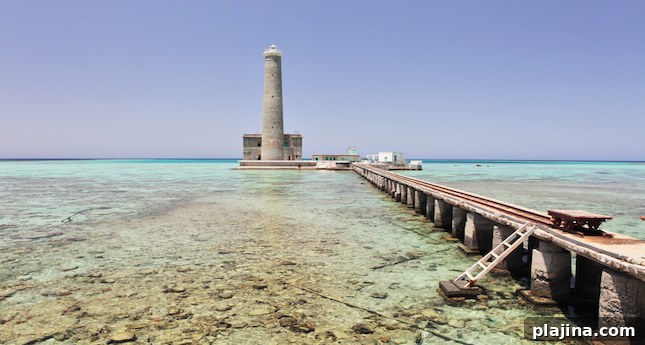
Sanganeb Marine National Park, located off the coast of Sudan in the Red Sea, protects coral reefs, islets and beaches that support a rich variety of marine life and seabirds. One of the park’s most remarkable residents is the dugong, a strictly marine, herbivorous mammal closely related to the extinct Steller’s sea cow. The park’s habitats are vital for marine biodiversity and for species that depend on intact reef and seagrass ecosystems.
Hubei Shennongjia in China is recognized as one of the country’s three major biodiversity centers. This mountainous region shelters rare and endemic species such as the Chinese giant salamander, the clouded leopard and the Sichuan snub-nosed monkey. In the 19th and early 20th centuries Shennongjia was a focal point for botanical exploration, and today it remains a critical refuge for species adapted to its mixed subtropical and temperate forests.
The Antigua Naval Dockyard in Antigua and Barbuda exemplifies Georgian naval architecture from the 18th century. Constructed by enslaved laborers under the direction of the British Royal Navy, the dockyard benefited from a strategically sheltered location that offered protection during hurricanes. Its fortifications and shipyard infrastructure played an important role in sustaining European naval power in the Caribbean during a period of colonial competition.
Across Iran, ancient underground aqueduct systems known as qanats demonstrate remarkable engineering adapted to arid environments. Qanats channel water through gently sloping tunnels and vertical shafts for long distances, providing sustainable and equitable irrigation and drinking supplies in dry regions. These systems reflect generations of practical knowledge in water management suited to fragile landscapes.
The archaeological site of Philippi in northern Greece preserves the remains of an influential city founded in 356 BCE. Philippi served as a strategic link between Europe and Asia and played important roles under both Greek and Roman rule. The site also became an early center of Christianity, and the visible ruins—from public buildings to religious structures—document the city’s layered historical significance across multiple cultures.
Nalanda Mahavihara in India is an archaeological complex that was both a major Buddhist monastery and an ancient university. Emerging around the same centuries as Philippi, Nalanda continued as a center of learning and spiritual practice well into the 12th and 13th centuries. Excavated remains include monastic cells, assembly halls, stupas and artistic works that illustrate the development of Buddhist education, pilgrimage and scholarship across many centuries.
The Archipiélago de Revillagigedo, located west of Mexico, includes an underwater mountain chain whose volcanic peaks rise above sea level to form islands. Often called Mexico’s “little Galápagos,” the archipelago supports a high number of endemic species and unique marine communities. The volcanic islands and surrounding waters are important both for their biodiversity and for the ecological processes that sustain species adapted to isolated island and deep-sea environments.