Taiwan’s economic, political and cultural center, Taipei offers lively neighborhoods, friendly locals and an easy experience for visitors who don’t speak Chinese. Whether you’re here for business or leisure, you’ll find efficient, affordable public transport, scenic mountain walking trails on the city’s edges, a wide range of art and history museums, a business-friendly atmosphere and an outstanding culinary scene.
Service standards in Taipei are consistently high: shopkeepers, hotel and restaurant staff, and transit employees treat both residents and visitors with courtesy. For example, earlier this year Taipei Rapid Transit Corporation apologized to a mother after staff mistakenly insisted on measuring her stroller with twins inside, despite regulations stating strollers in use are exempt from measurement. The company followed up with phone apologies and a personal meeting, demonstrating the city’s commitment to good service and accountability.
Visitors are welcomed with practical perks: Taipei currently offers free sightseeing bus tickets. Four-hour sightseeing passes are available through June 30 (and possibly beyond) for independent travelers who stay at least two nights in the city. Guests can request these tickets through their hotels or at the Discovery Center of Taipei at Taipei City Hall.
If you’re staying at the 5-star Mandarin Oriental, enjoy modern wellness facilities including a fitness center, yoga studio and a gym equipped with Kinesis technology. The hotel also features a 20-meter, temperature-controlled outdoor swimming pool that opens at 7 a.m. for guests. Breakfast is served at Café Un Deux Trois, and small business gatherings can be hosted in one of five private Oriental Rooms, which cater to groups of 10–100 with tailored catering options.
On a free morning, visit the National Palace Museum, home to the world’s largest collection of Chinese art and cultural relics. The museum’s holdings—more than 600,000 items—largely originate from imperial collections dating back over a thousand years to the early Song Dynasty. The Taipei Sightseeing Bus Blue Route stops at the museum for easy access.
Temples are woven throughout Taipei’s neighborhoods, and the most renowned is Lungshan Temple. Built in 1740 during the Qing Dynasty and restored multiple times, Lungshan Temple features impressive bronze dragon poles, delicate wood carvings and a Buddha statue in the main hall. The surrounding streets sell traditional antiques, Buddhist items and Chinese medicine. The Taipei Sightseeing Bus Red Route and the MRT provide convenient access to the temple.
Taipei is a paradise for food lovers, offering everything from casual street stalls to refined dining. For a satisfying local meal, try Taiwan’s beloved beef noodle soup at Lin Dong Fang, a popular spot on Bade Road in Zhongshan District. The dish pairs tender braised beef, bok choy, noodles and a rich broth—arrive by about 11:30 a.m. to avoid the longest lines.
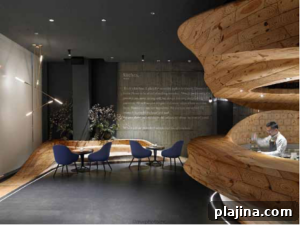
© RAW
For a refined midday meal, consider the two-Michelin-starred RAW Taipei in Zhongshan District. Opened in 2014 by Taiwanese-born chef André Chiang, RAW serves a nine-course tasting menu that blends French techniques with Taiwanese ingredients. Chef Chiang and chef de cuisine Ben Wang design menus around Taiwan’s micro-seasons, changing the offerings every three to four months. The restaurant operates Wednesday–Sunday, 11 a.m.–9 p.m., and reservations are recommended.
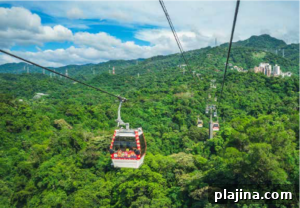
PHOTO: © RICHIE CHAN | DREAMSTIME.COM
After afternoon meetings, relax on the Maokong Gondola, Taipei’s first gondola system. Stretching roughly 2.5 miles, the line stops at Taipei Zoo Station, Taipei Zoo South Station, Zhinan Temple Station and Maokong Station. The ride provides elevated views of the city, passing over rolling terrain, rail lines and parkland along the Jingmei River. A dramatic turn at the second stop opens sweeping vistas of the landscape, and the descent through a steep V-shaped gully near Zhinan Temple is a memorable, peaceful way to conclude a busy day in Taipei.