
Germany is closing the gap with the United States as a top destination for international conferences. New data from the International Congress & Convention Association (ICCA) show that Germany hosted 649 international association conferences in 2012, an increase of 72 events compared with 2011. By contrast, the United States hosted 833 international conferences in 2012, leaving Germany as a strong contender and narrowing the difference between the two countries.
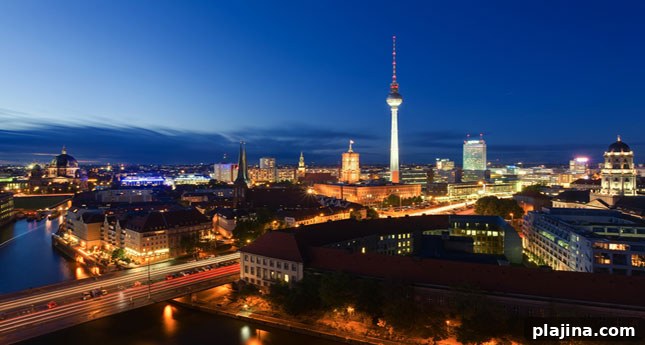
For the ninth year in a row, ICCA named Germany the leading European destination for international association meetings. A major factor behind this performance is the rising appeal of Berlin, which moved from fourth to third place in ICCA’s worldwide city rankings in 2012. Berlin’s expanded role reflects increased capacity, new venues and broad international interest in the city as a congress location.
Beyond the capital, German cities are prominently represented in ICCA’s city rankings. Munich, Hamburg, Frankfurt and Dresden all rank within the top 100 globally, demonstrating that Germany’s strength in hosting conferences is distributed across multiple urban centres rather than concentrated in a single city.
“Germany boasts outstanding infrastructure, an excellent transport network and a wide variety of event venues,” said Matthias Schultze, managing director of the GCB German Convention Bureau. “We offer superb value for money and local expertise in key economic and scientific sectors. All of these qualities make Germany’s cities and regions ideal settings for international conferences.”
Several factors contribute to Germany’s growing appeal for international associations. The country’s transport infrastructure—air, rail and road—makes it easily accessible from across Europe and beyond. Well-equipped convention centres, modern exhibition halls and a range of hotels and meeting facilities support events of all sizes, from small specialist gatherings to large international congresses. In addition, Germany’s strong research institutions, universities and industry clusters provide compelling content and local partners for association meetings focused on science, technology, medicine and business.
Price competitiveness and organisational expertise also play a role. Many German destinations provide high-quality services and venues at competitive costs compared with other leading meeting destinations. Local professional conference organisers, destination management companies and convention bureaux offer experienced support that helps international associations plan and deliver successful events efficiently.
Regional diversity is another advantage. Cities such as Munich and Frankfurt combine global connectivity with established conference infrastructure, while Hamburg and Dresden offer distinctive cultural and academic strengths that attract specialised meetings. This geographic spread gives associations flexibility when selecting a location that meets both logistical needs and thematic relevance.
As Germany continues to invest in venue upgrades and event-related services, and as cities expand marketing efforts to attract international associations, the country is likely to maintain or even strengthen its position among the world’s leading conference destinations. With a combination of accessible locations, professional expertise, strong academic and industrial networks and competitive value, Germany remains an attractive choice for organisers seeking reliable, well-supported settings for international conferences.