
Recent trends show Japanese cuisine is set to be a major focus in 2023. Chefs across the globe are drawing on Japan’s exceptional ingredients and refined techniques to craft fresh, memorable dining experiences. Japan’s history of food-focused travel stretches back to the Edo period (1603–1868), and today travelers can choose from a wide variety of culinary adventures. Below are several recommended experiences to consider when exploring Japan.
© JNTO
Miyakonojo, in Kyushu’s Miyazaki Prefecture, promotes a “Meat Meet” program as part of its Meat and Sakagura (sake and brewery) campaign. The program features tastings and cooking classes that highlight local produce and traditional methods. Miyakonojo is renowned for producing high-quality beef, pork and chicken, alongside shochu, the classic Japanese spirit. Locally produced shochu—often distilled from sweet potatoes, rice and barley—complements the region’s excellent yakiniku (grilled meat) offerings. Visitors can expect hands-on tasting sessions, guided pairings and workshops that reveal why Miyakonojo is a standout destination for meat lovers and spirit enthusiasts.
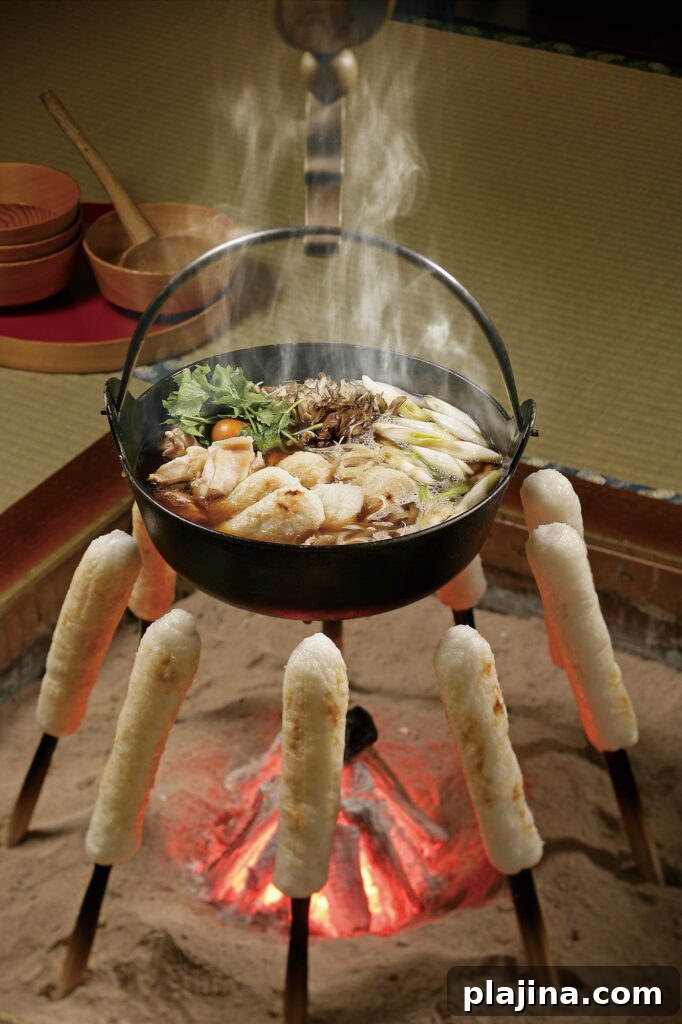
For a rural, immersive experience, travel to Odate in Akita Prefecture, nestled in the mountainous interior of northern Honshu. Many host families in Odate are farmers who invite guests to share a day in the life on their farms. Activities commonly include sowing, harvesting and vegetable picking, giving travelers a tangible connection to the region’s seasonal rhythms. After a day of outdoor work, guests are often treated to warm, home-cooked local specialties. One signature dish is kiritanpo-nabe: a comforting hot pot built around skewered, pounded rice (kiritanpo) and simmered with chicken, vegetables and savory broth. These meals highlight the simplicity and depth of regional cooking and the hospitality of Akita’s communities.

© JNTO
In Nara Prefecture, the historic Maruto soy sauce brewery has been reborn. Reopened in 2020 as NIPPONIA Tawaramoto Maruto Shoyu, the site preserves a 130-year-old warehouse that has been refurbished to accommodate guests. Visitors can stay on the premises and participate in hands-on soy sauce brewing workshops that explain traditional fermentation processes, the role of local ingredients and how flavor develops over time. The town of Tawaramoto is also notable for its cultural history, including ties to the development of traditional Noh theater. A stay at Maruto offers a mix of culinary learning and local heritage, ideal for travelers who want deeper context behind the flavors they taste.
Across Japan, initiatives like these reflect a broader trend: travelers increasingly seek authentic, participatory food experiences rather than simply dining out. From urban tasting menus that apply centuries-old techniques in innovative ways, to countryside stays that reconnect guests with seasonal produce and artisanal methods, Japan’s food scene offers layered experiences for every palate. Consider combining regional tastings, hands-on workshops and cultural visits to create a well-rounded culinary itinerary.
When planning a food-focused trip, look for programs that emphasize local producers and traditional techniques. Participatory activities—such as brewing, harvesting or cooking with local hosts—provide memorable insights into how dishes are made and why certain flavors define a region. Whether you favor high-end dining, rustic home-cooked meals or craft beverages, Japan’s diverse culinary landscape makes it easy to design a trip that follows the latest gastronomic trends while remaining rooted in authentic tradition.