
A new analysis highlights that current emergency evacuation testing for passenger aircraft may not reflect the reality of today’s economy-class seating. An investigation by The Daily Beast examined more than 900 pages of federal documents and regulations and concluded that Federal Aviation Administration (FAA) evacuation protocols are based on outdated assumptions about seat size, spacing and the typical body size of airline passengers in the United States.
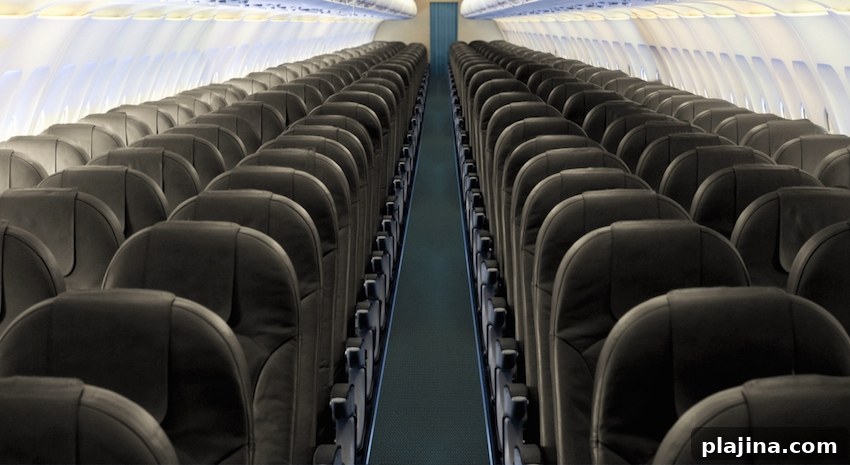
According to the report, many modern coach-class seats are narrower and provide less legroom than they did when the FAA last updated its evacuation standards. Those tighter configurations can change how easily passengers move toward and through emergency exits during an evacuation. At the same time, the average size of U.S. passengers has increased since the original standards were developed. When those two trends combine — smaller seats and larger passengers — the result can be reduced mobility in crowded aisles and exit access areas, which could affect evacuation times.
The Daily Beast review indicates the FAA and aircraft manufacturers, including Boeing, have performed some testing using smaller-seat configurations. However, the report states that results from those tests were not publicly released, leaving unanswered questions about whether the existing standards adequately reflect current cabin conditions. The lack of transparency has drawn scrutiny from passenger advocates and legal challengers who argue the FAA should reevaluate its certification processes and ensure evacuation testing represents modern cabins.
In addition to concerns about passenger movement, the report raises questions about the safety of flight attendant seating and restraint systems in coach cabins. It suggests that some contemporary seat layouts do not meet the spirit of FAA guidance intended to secure crew members during emergency situations. Proper restraint and positioning of flight attendants are critical, both to protect crew members and to enable them to assist during evacuations. If cabin layouts hinder crew safety or mobility, overall emergency response effectiveness could be compromised.
Those findings align in part with claims set forth in litigation brought by Flyers Rights, a passenger advocacy group that sued to compel the FAA to review and update its seating-related safety protocols. In that case, a federal judge acknowledged there was a “plausible life-and-death safety concern” regarding how current seating practices could affect evacuations, and ordered the FAA to respond to the petition. Despite that acknowledgement, the court concluded that the specific dimensions of seats were not directly central to the legal standard for testing emergency exits, leaving a contested gap between practical concerns and regulatory criteria.
Since passenger comfort and airline economics have driven seat manufacturers and carriers to increase capacity on many aircraft, regulators and industry stakeholders face pressure to reconcile safety standards with cabin design trends. Updated evacuation testing that accounts for contemporary seating, realistic passenger body sizes, and crew protection measures would provide clearer evidence about whether current configurations meet acceptable safety margins. Transparent reporting of test methodologies and results would also help build public trust and allow independent experts to assess whether further regulatory changes are necessary.
For passengers and crew alike, the core question is whether certification and testing keep pace with changes in aircraft interiors. As fleets evolve and airlines adopt denser seating arrangements, FAA oversight, manufacturer disclosures, and independent review will determine whether existing rules continue to ensure effective evacuation and protection for everyone on board.