
Melbourne has a way of staying with you. After a visit, it gently insists you return — for the coffee and culture, for the food and wine, and for the city’s people, shopping, street art and electric, eclectic energy.
As the capital of Victoria, Melbourne is Australia’s second most populous city after Sydney. Known for a friendly, approachable vibe, it often feels warm and welcoming, making visitors feel instantly at home. I was glad to be back.
Flinders Street Station © Benkrut | Dreamstime.com
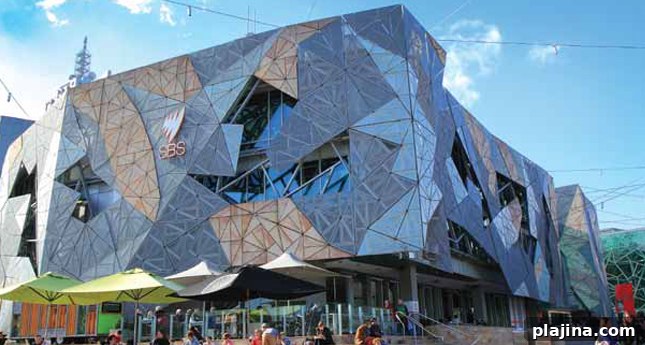
After wrapping up business, my associate and I met at Federation Square, the striking riverfront precinct beside Flinders Street Station. Its deconstructivist architecture, initially controversial when it opened in 2002, has become a beloved gathering place. The square mixes modern angular forms with public spaces and events and has long since won local affection.
We joined a Lanes and Arcades tour with Hidden Secrets Tours. The company focuses on innovative, independent spots off the beaten track. Our four-hour walking tour visited local designers, boutique shops, quirky cafés and renowned street-art sites, while guides shared the stories behind the architecture and the city’s thriving coffee culture. The tour included a morning coffee and a bistro-style lunch with a glass of wine, and it provided a great orientation for exploring on our own later.
That afternoon we wandered the lanes and byways where Melbourne’s heart truly beats, soaking up the café culture that thrives in narrow alleys and arcades. As a local friend, Linda Herd, put it: “Coffee is the lifeblood of Melbourne and has to be great!”
Melbourne prides itself as Australia’s coffee capital and even hosts an annual coffee expo. The city takes its coffee seriously, with locals comfortable ordering by method — clover, cold-drip, aero-press, siphon or pour-over — each extracting distinctive flavors. Beyond brewing technique, bean origin and roast profile determine whether a cup is ordinary or exceptional. Single-origin beans, small-batch roasts and attention to terroir add the finishing details.
While many Australians stick to a latte or short black, ordering a piccolo latte marks you as a local: it’s an espresso with less milk so the coffee flavor remains dominant. White lattes, cappuccinos and flat whites are also popular. My associate and I enjoyed piccolo lattes while watching the world go by. Notable local coffee spots include Manchester Press, Sensory Lab and the League of Honest Coffee.
Melbourne elevates more than coffee; it celebrates global cuisine through a richly diverse population. Dining here is serious: the city’s restaurant scene is vibrant, experimental and welcoming to new flavors as well as cherished classics. “Diversity and fusion is what makes the Melbourne restaurant scene so vibrant,” Linda told me. “No one is afraid to experiment, and patrons are keen to try new tastes as well as savor favorites.”
The Central Business District presents an eclectic mix of cafés, bistros and food trucks offering exceptional food. Diverse neighborhoods extend the options: Richmond features Vietnamese eateries, Fitzroy has Spanish influences, Brunswick offers Lebanese flavors and Carlton is known for Italian dining. As a local remarked, “It’s the only place in the world where you can dine in a different style every day of the year.” We enjoyed dinner at Neil Perry’s Rockpool Bar & Grill, sampling oysters and Wagyu steak before calling it a night.
The following day, a friend guided us to the Mornington Peninsula to discover its wines and bistros. Popular with locals but less crowded with tourists, the peninsula blends wine, cuisine, art and nature beautifully.
Harvesting wine grapes on Mornington Peninsula © Photographerlondon | Dreamstime.com
About an hour’s drive from Melbourne, the peninsula shifts from urban sophistication to rural coastline in that short distance. Sand beaches and rugged Bass Strait shores frame a landscape of maritime influence; varied topography and soils create microclimates that shape distinctive wine styles.
Mornington is particularly noted for Pinot Noir and other cool-climate varietals. Chardonnay from the region has a fresh, nuanced profile worth revisiting, and you’ll also find Sangiovese, Gewürztraminer, Pinot Grigio, Pinot Gris and Shiraz. Wines from the peninsula tend to be elegant, textured and lingering.
Our first stop was Yabby Lake Cellar Door, known for single-vineyard Chardonnays and Pinot Noirs. We enjoyed tastings alongside artwork displayed in the space. Labels include Yabby Lake and Red Claw, both made from estate fruit. The cellar’s single-vineyard Chardonnay showed floral complexity and minerality and has earned many awards.
We then visited Red Hill Estate, a boutique winery famed for scenic views and refined Pinot Noir. The estate’s M&N Pinot Noir impressed with smooth texture and bright red-cherry notes.
Montalto manages multiple vineyard sites across the peninsula, producing complex wines and estate olive oil, and showcasing contemporary sculpture on the grounds. After tasting their estate Pinot Noir and purchasing a bottle, we lunched at the Chef Hat–rated Montalto Restaurant, which serves seasonal, regionally inspired dishes presented with an Australian sensibility.
We continued to Tuck’s Ridge, a long-established boutique winery known for excellent Pinot Noir and Chardonnay among other varieties. Its premium single-vineyard wines are highly regarded for quality and value.
Our final stop was Port Phillip Estate, where striking architecture houses estate-grown wines. The landmark building is notable, and the Chardonnay, Pinot Noir and Pinot Gris are regional benchmarks. Port Phillip was named Winery of the Year by James Halliday in 2012.
On departure I thought a future visit by horseback would be ideal. Horseback Winery Tours on Main Ridge offers rides through bushland, farmland and vineyards with winery stops — a scenic way to experience the region.
Melbourne Info to Go
Melbourne Airport (Tullamarine) is a major hub for Qantas and Virgin Australia, with domestic and international connections. A taxi to the city center (about 14 miles) costs around $50, while the SkyBus express service runs 24/7 and costs about $18 one way for adults. Rental cars are available at the airport. Ride-sharing and taxi-sharing options offer ways to reduce transport costs by sharing trips.
Where to Stay in Melbourne
Adelphi Hotel A boutique property with contemporary rooms and a well-known rooftop pool and deck. 187 Flinders Lane $$$–$$$$$
Crown Towers Melbourne A luxurious hotel with floor-to-ceiling windows and skyline views, located above an entertainment complex. 8 Whiteman St., Southbank $$$$$
The Langham, Melbourne A 5-star hotel in the Arts and Leisure district with river and city views, noted for its spa. 1 Southgate Ave., Southbank $$$$$
Restaurants in Melbourne
Coda Renowned for inventive dishes that blend French-Vietnamese influences with modern Australian cuisine, emphasizing shareable plates. Basement 141 Flinders Lane $$$$
Rockpool Bar & Grill Known for high-quality meat and seafood in a stylish setting from Chef Neil Perry. Crown Complex, Southbank $$$$
Supernormal A popular spot from chef Andrew McConnell offering Asian-inspired dishes and a focused wine list. 180 Flinders Lane $$$