
If you only have one day of free time in Seoul, why not combine history, culture and contemporary local life in one visit? Bukchon Hanok Village, also called the North Village, sits between the iconic Gyeongbokgung and Changdeokgung palaces and offers an ideal snapshot of Seoul’s past and present: traditional architecture, intimate museums, craft workshops, independent cafes and thoughtfully curated shops all within a compact, highly photogenic neighborhood.
Bukchon occupies a crossroads of residential lanes and the lively Insa-dong shopping district. Unlike Seoul’s futuristic skyline and sprawling malls, Bukchon is characterized by steep streets, narrow alleys and hanok houses that reflect more than 600 years of history. During South Korea’s rapid post-war modernization, residents campaigned successfully against wholesale “renovations,” helping preserve the neighborhood’s original structures. In 2001 the city introduced the Bukchon Plan to protect and conserve the remaining hanoks, ensuring visitors can experience Seoul at a gentler, more human pace.
A two-hour walking tour organized by the City of Seoul is an excellent way to begin. The Bukchon Traditional Culture Center — the tour’s starting point — features a restored hanok curated by the Seoul Museum of History. Nearby small museums and cultural sites include the Seoul Intangible Cultural Heritage Center, Rakkojae Seoul Main Hanok, Donglim Knot Museum, Gahoe Museum, Han Sang Su Embroidery Museum, Bukchon Asian Cultural Art Museum and the Owl Museum. Several of these compact museums and the Culture Center offer free admission, making it easy to explore without planning for ticket costs.
For a hands-on cultural experience, book workshops in traditional crafts: natural dyeing, mother-of-pearl inlay, black bamboo craft, maedeup (decorative knot art) and jogakbo patchwork are commonly offered at the Bukchon Traditional Culture Center, Bukchon Traditional Crafts Experience Center and other studios in the village. The Korean Tea Institute hosts Korean tea ceremonies, tea-food classes and soothing green tea hand-and-foot rituals. At Samhaesoju Brewery & Distillery, a master distiller offers insight into shochu and other Korean spirits, pairing practical demonstrations with lively conversation about Korea’s brewing traditions.
© IKA RAHMA | DREAMSTIME.COM
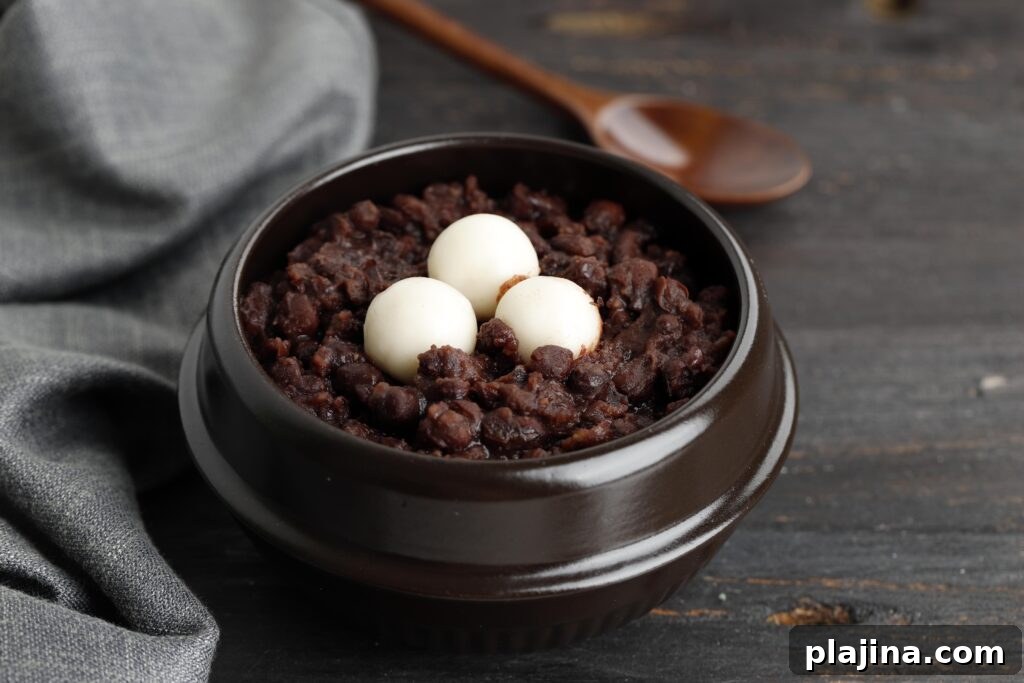
Seoul is home to many national coffee and tea chains, but Bukchon’s beverage scene skews toward independent, intimate cafes — many converted from traditional hanoks — that invite lingering visits. Cafe Doo Roo, a neighborhood favorite since 2009, serves smooth coffee in a cozy setting. Cafe No. 37, Cafe Gondry and Café Layered blend French and English tearoom influences with Korean sensibilities. Cha Masineun Tteul specializes in classic Korean teas and sweets like danpatjuk (sweet red bean porridge) and sirutteok (steamed rice cake). Thanks, Oats is popular for yogurt and granola bowls, while Café Onion, housed in a historic building, is celebrated for its wide selection of savory and sweet baked goods.
Retail here reflects the same artisanal spirit. Several haberdasheries, such as Knockers Bukchon and LUNA Touch, offer thoughtfully designed accessories and garments. HAMU (Honest Modern Art Unit), led by noted costume designer Lee Jin-hee, presents unisex investment pieces for everyday wear. Eunnamu and Object showcase handcrafted homewares and fashion accessories, while BlueBlack Pen Shop stocks fine stationery and GRANHAND Sogyeok focuses on distinctive perfumes and fragrances. For lodging that matches Bukchon’s understated charm, Bonum 1957 and Stay256 provide stylish, low-key alternatives to Seoul’s large, modern hotels.