
A trip to Machu Picchu, one of the New Seven Wonders of the World, may seem daunting at first, but with some planning the journey becomes entirely achievable.
To choose the best way to reach and explore Machu Picchu, do a bit of research in advance. If you seek a physical challenge, consider trekking the Inca Trail, a two- to five-day hike along the ancient route that culminates at the citadel. If you prefer a more relaxed approach, take the train to Aguas Calientes, the small town in the valley below Machu Picchu that serves as the main gateway for visitors.
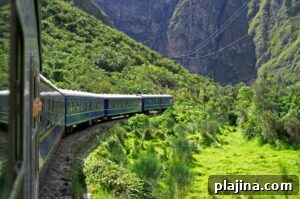
PHOTO: © TOMASZ RESIAK | DREAMSTIME
Most visitors travel to Aguas Calientes via PeruRail or Inca Rail from the Ollantaytambo train station. PeruRail is worth considering for at least one leg of the journey because the train itself is part of the experience. Look for the Vistadome or Observatory Vistadome cars, which have panoramic windows for excellent views of the river, canyon and mountains. Passengers typically receive a snack box with local treats and hot drinks, and on many departures there’s a cultural presentation with music, dance and regional storytelling.
Decide in advance whether you want to make Machu Picchu a day trip or spend a night in Aguas Calientes. Day-trip itineraries generally include an early train from Ollantaytambo, a short bus ascent to the Machu Picchu gate, time to explore the site, and a return train the same day. If you stay overnight, Aguas Calientes has a variety of hotels to choose from. One recommended option is Inkaterra Machu Picchu Pueblo Hotel, which offers excursions that include an expert guide to accompany you at the ruins.
At the site you can either take the steep three-hour hike up from Aguas Calientes or ride a continuous 30-minute shuttle bus to the Machu Picchu entrance. Once there, choose the circuit that best suits your interests: Circuit 1 (Panoramic) for sweeping photo opportunities and a general overview; Circuit 2 (Classic), the most popular route that covers the main city, upper terraces, temples and agricultural sectors; or Circuit 3 (Royalty), which focuses on the lower city’s ceremonial and administrative structures and includes more demanding walking.
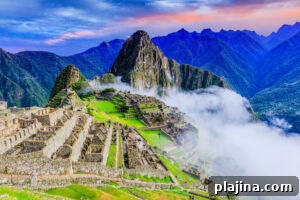
© SORIN COLAC | DREAMSTIME
On my visit we stayed at Inkaterra and joined an excursion led by a knowledgeable guide. We took an early bus to the entrance to avoid the midday crowds. The climb to the main viewing terrace includes several resting points, and on a foggy morning we paused at the terrace while our guide explained how the citadel was rediscovered, how the Incas lived here, and the functions of different structures. When the clouds lifted, the views were unforgettable.
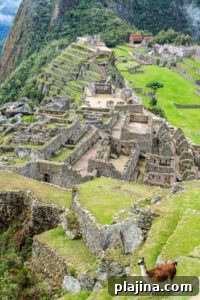
© JESSE KRAFT | DREAMSTIME.
After taking photos and enjoying the vista, our guide led us through the main city, terraces and accessible areas of our chosen circuit. We saw llamas and alpacas grazing among the ruins and heard clear explanations about the purpose and history of each area. I recommend hiring a guide: visitors without one may miss much of the context that brings the site to life.
Whichever route you choose—trek, train or guided tour—visiting Machu Picchu is a memorable experience that rewards the planning you put into it.
INFO TO GO
Travelers typically fly into Alejandro Velasco Astete International Airport in Cusco to begin a Machu Picchu trip. Because few international flights land directly in Cusco, many visitors first fly into Jorge Chávez International Airport in Lima and then take a domestic connection to Cusco. A new Chinchero International Airport, scheduled to open in the coming years near Cusco, is expected to increase direct flight options and simplify travel for international visitors. From either airport you will still need ground transportation—taxis, ride shares or a train—to reach Ollantaytambo station and onward connections to Aguas Calientes.