
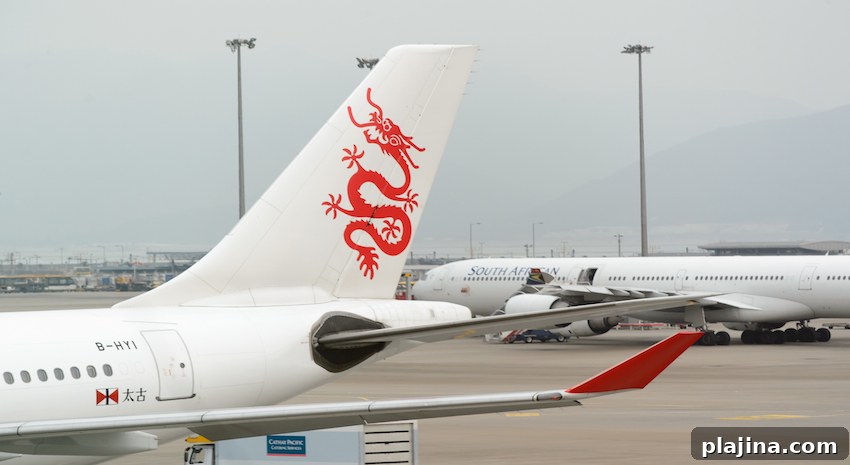
Regional Hong Kong carrier Dragonair officially adopted the new name Cathay Dragon last month, marking a strategic rebrand that aligns the airline more closely with its sister company, Cathay Pacific. The change streamlines marketing and operational logistics, presenting a unified identity across regional and international services while signaling a refreshed commitment to service and connectivity.
Announced earlier this year, the rebrand is intended to create a more seamless travel experience for customers using both Cathay Dragon’s regional network and Cathay Pacific’s long-haul routes. By harmonising brand elements, the two airlines aim to reduce friction for passengers who connect between regional and international flights, from booking and check-in to baggage handling and frequent-flyer recognition.
A key motivation behind the renaming is to better serve the growing number of travellers from mainland China. The new identity aims to provide these customers with the confidence and convenience associated with an internationally recognised premium carrier that also offers extensive global connectivity. That dual appeal—local convenience combined with international reach—is central to the strategy guiding Cathay Dragon’s market positioning.
To mark the launch, Cathay Dragon held an unveiling ceremony at Hong Kong International Airport in November. The event included a public welcome for passengers, with staff and invited guests celebrating the transformation. As part of the promotional activities, complimentary cookies were distributed at the airport; these items will also be introduced on selected flights for a limited time, giving customers a taste of the refreshed passenger experience.
At the unveiling, Cathay Dragon CEO Algernon Yau highlighted the importance of the rebrand for the airline’s future. He described the day as “momentous,” expressing enthusiasm about the opportunities that alignment with Cathay Pacific creates. By adopting a closer affiliation, Cathay Dragon expects to unlock new operational and commercial prospects, bolstering its resilience and competitiveness in a demanding aviation landscape.
One visible element of the rebrand is the replacement of Dragonair’s traditional dragon emblem with Cathay Pacific’s distinctive “brushwing” motif, rendered in a red livery to reflect the new identity. This update extends beyond the exterior paint: in-flight branding elements and customer-facing services are being standardised to present a consistent look and feel across both carriers. Passengers can expect refreshed cabin signage, service materials, and onboard amenities that echo the shared brand standards.
Operational integration is also a priority. The rebranding facilitates smoother coordination between schedules, route planning, and ground operations, helping to minimise transfer times and improve continuity for connecting passengers. By standardising processes where feasible, the airlines aim to enhance reliability and simplify travel logistics, benefitting both leisure and business travellers who rely on efficient connections within the region.
From a commercial perspective, the unified identity supports clearer messaging and marketing campaigns, enabling Cathay Dragon and Cathay Pacific to present cohesive offers and loyalty benefits. This clarity can strengthen customer trust and make it easier for travellers to understand service levels and network coverage, especially when booking itineraries that combine regional and long-haul segments.
While the name change is the most visible aspect of the transition, the broader initiative reflects a longer-term focus on customer experience, network optimisation, and brand value. As Cathay Dragon moves forward under its new banner, the airline is expected to continue refining its product and service offerings to meet evolving passenger expectations while leveraging the operational synergies of closer alignment with Cathay Pacific.
Passengers flying with Cathay Dragon should notice branding updates gradually rolling out across airports and aircraft. As the two carriers continue to harmonise their systems and services, the goal is to deliver a smoother, more recognisable travel experience across short-haul regional flights and international connections alike.