
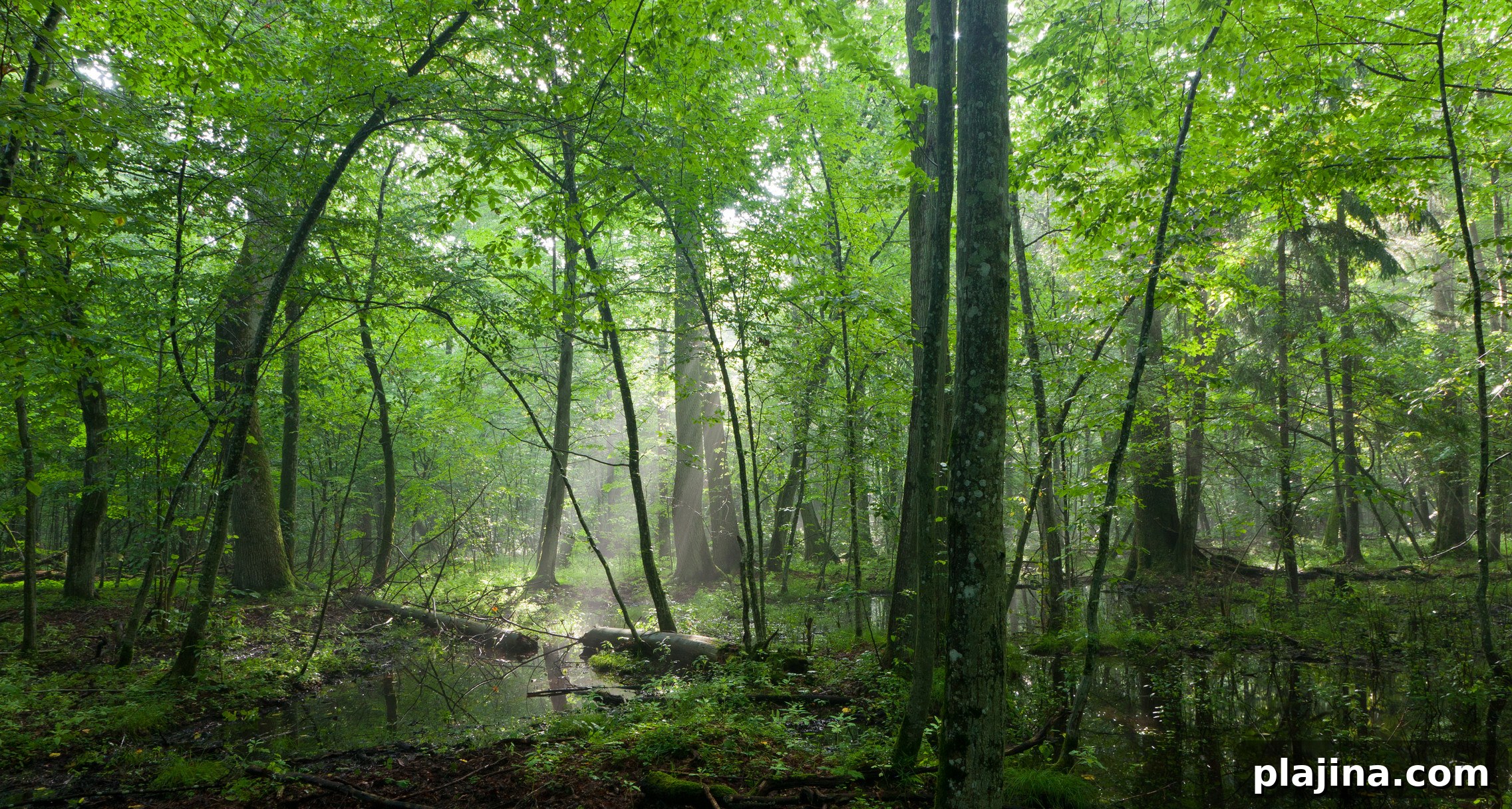
As the world develops, ancient, primeval forests are increasingly rare. These centuries-old woodlands evolved with little human disturbance, creating complex ecosystems rich in biodiversity and home to many rare species. Unfortunately, many of these forests face the threat of logging and land conversion, making them vulnerable to permanent loss. Visiting and appreciating these landscapes now offers a chance to experience unique, irreplaceable natural heritage before it disappears.
These untouched forests often feature towering trees, multilayered canopies, and abundant understory life. Their long continuity supports specialized plants, fungi, insects, birds, and mammals that depend on stable, mature habitats. Because such ecosystems take centuries to develop, they cannot be quickly restored once destroyed.
Conservation efforts play a critical role in protecting remaining primeval woodlands. Protected areas, sustainable management practices, and community-based stewardship help preserve biodiversity and ecological functions like carbon storage, soil protection, and water regulation. Responsible tourism can also raise awareness and support local economies while encouraging protection.
If you have the opportunity to visit ancient forests, choose operators and routes that minimize impact—stick to established trails, avoid disturbing wildlife, and follow local guidelines. Learn from park staff or local guides about the forest’s history, species, and ongoing conservation challenges. By supporting conservation-minded initiatives, visitors can contribute to safeguarding these landscapes for future generations.
Experiencing a primeval forest is a reminder of nature’s complexity and resilience. Spending time in such places can inspire deeper appreciation and a stronger commitment to protecting the natural world. Seek out these forests while they remain, and help ensure they continue to thrive.