
Whether you spell it Akko (Hebrew), Akka (Arabic) or Acre (English), this ancient Mediterranean port city in northern Israel embodies the region’s layered history like few other places. Perched on the coast, Akko has been shaped by Romans, Byzantines, Crusaders, Mamelukes, Ottomans and the British, and today hosts a mixed community of Jews, Muslims and Christians. The Old City of Akko is a UNESCO World Heritage site and ranks among the world’s oldest ports.
© Assaf Pinchuk
Tucked into a restored stone building on a narrow Old City lane is the Efendi Hotel. A short five-minute walk away, down cobblestoned alleys, sits the acclaimed Uri Buri restaurant. Both are owned by Uri Jeremias, a well-known Israeli chef who grew up near the Lebanese border north of Akko.
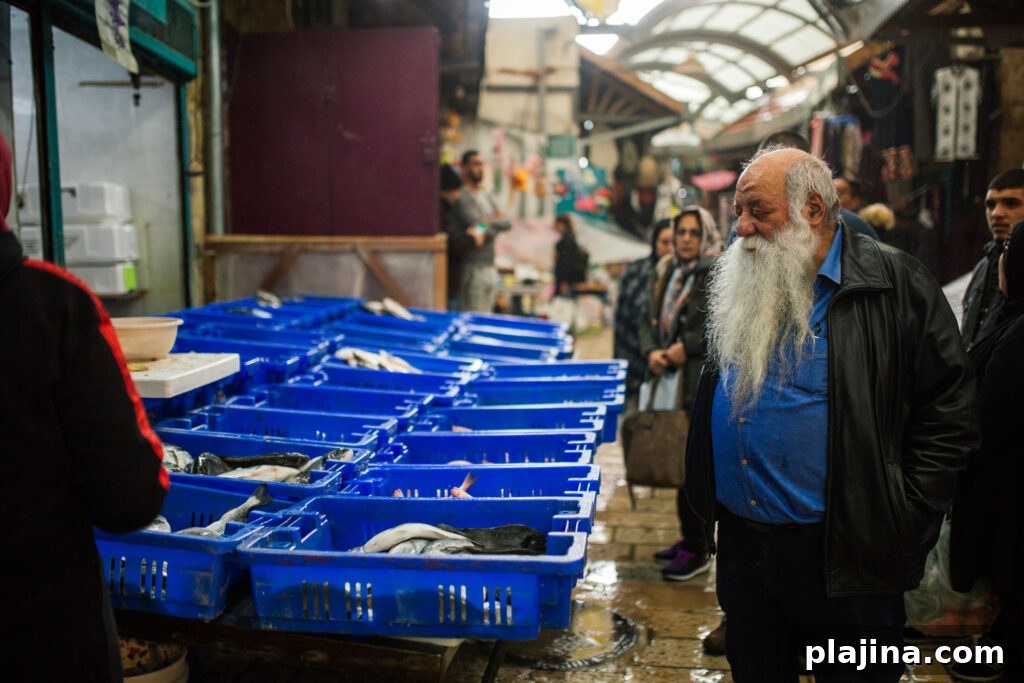
Over the past 25 years, Uri Buri—situated with sea views—has become a destination for Israelis and visitors alike. Many travel from Tel Aviv or Jerusalem for a leisurely lunch or dinner. Chef Jeremias, instantly recognizable by his large white beard, greets guests warmly and is beloved by regulars and newcomers.
© Assaf Pinchuk
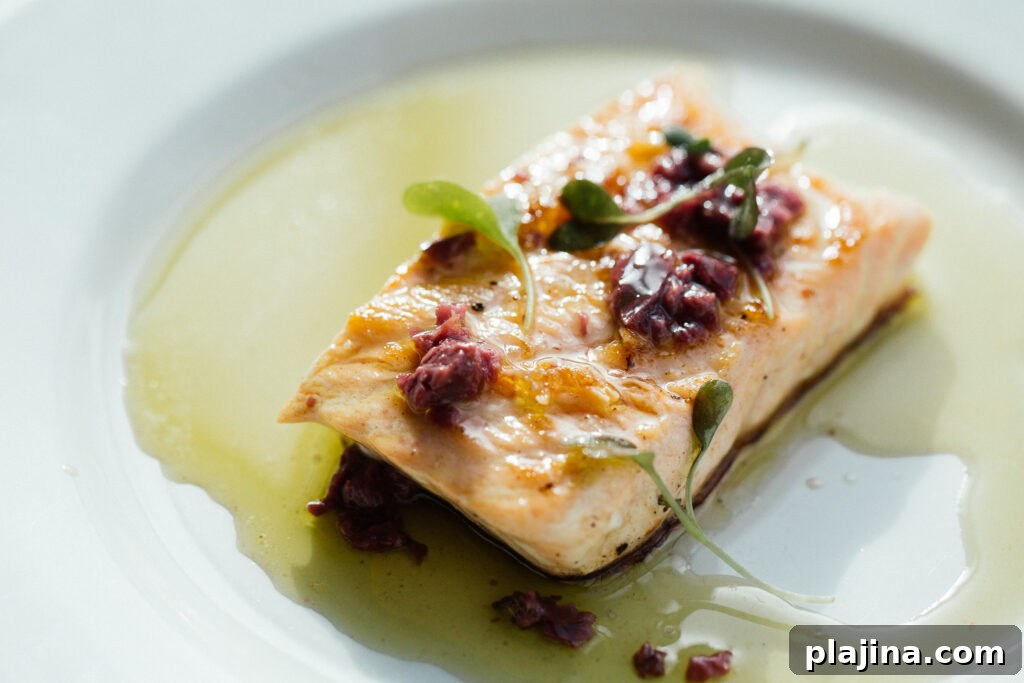
Jeremias likes to keep his dishes focused—“Every recipe I create has no more than eight ingredients,” he says—yet each plate offers bold, distinctive flavors. Appetizers might include salmon panko wrapped in Nori seaweed with reduced soy and pickled fennel, or octopus with fakus, arak and olive oil. A signature main is sea bass prepared in a cauldron with coconut milk, chili and apples. Most fish and seafood come from local fishing boats and are often paired with Middle Eastern or Asian spices. Dishes are offered in full and half portions so diners can choose the size that suits them.
Desserts reflect regional traditions, such as knafeh—an Arabic sweet of cheese, pistachio and kadaif strands—served here with house-made rose ice cream. The multilingual staff typically speak Arabic, Hebrew and English, reflecting the city’s cultural blend.
© Eyal Yassky
Akko has seen significant excavation and conservation work over the past decade, with restoration projects across the Old City. It may not be as developed for tourism as Caesarea or Jaffa, but many travelers find Akko more intriguing because of its layered history and authentic atmosphere.
After an eight-year restoration of original structures and a Byzantine- and Crusader-era wine cellar, Uri Jeremias opened the 12-room Efendi Hotel in 2012. The boutique property preserves Ottoman-era architecture and includes wellness treatment rooms and an original 400-year-old Turkish hammam that remains in use.
© Eyal Yassky
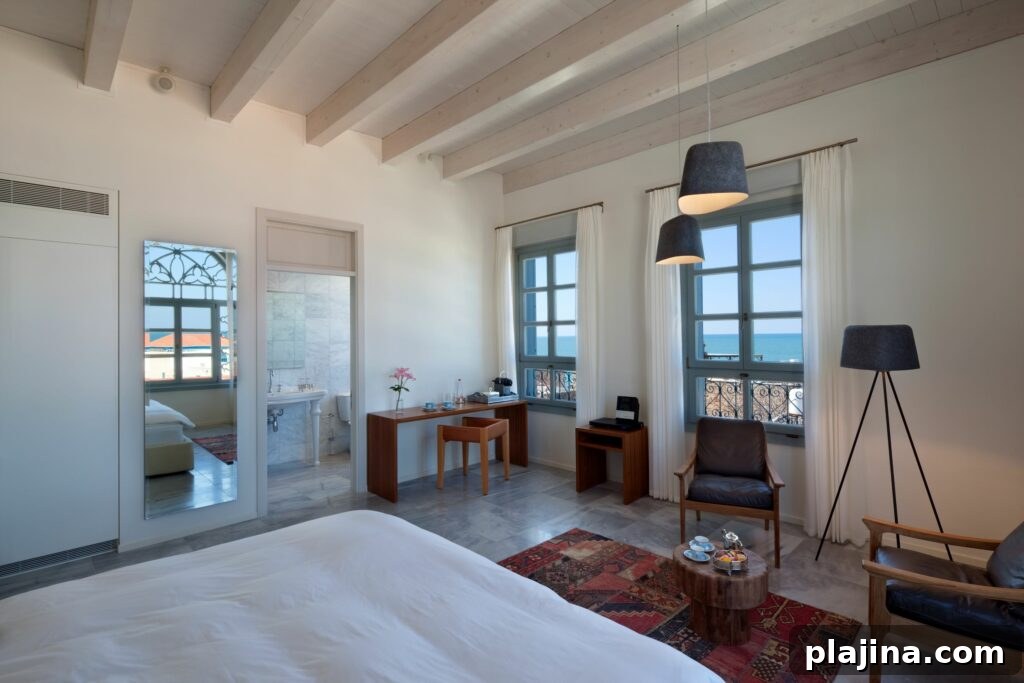
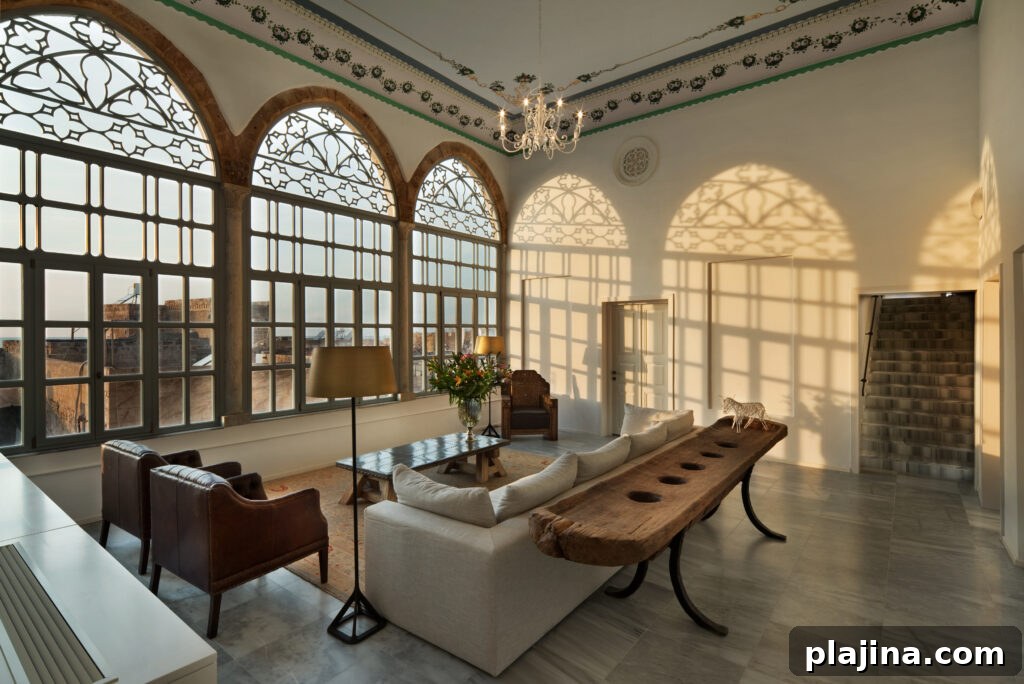
Each guestroom at Efendi is unique: restored motifs and ceiling frescoes complement carefully chosen furnishings. The hotel is recognized for high standards of architectural preservation and restoration among private buildings in Israel.
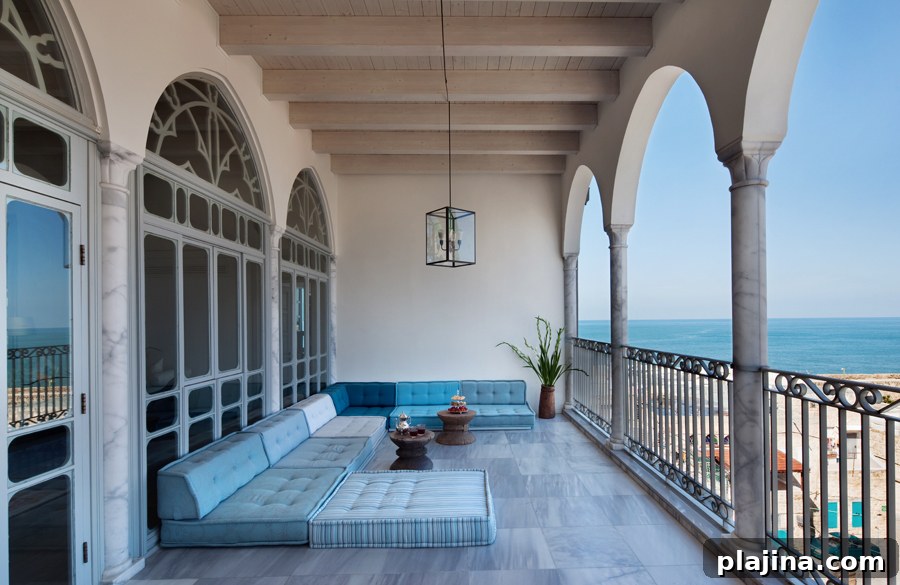
Many rooms offer Mediterranean Sea views, while others look toward the Western Galilee hills or the Old City. Guests can relax in comfortable seating areas and enjoy a daily rooftop aperitivo at sunset.
© Assaf Pinchut
Breakfast is served daily at a large communal table and features an array of boutique cheeses, made-to-order eggs and omelets, local shakshuka, assorted breads and regional condiments.
Room rates vary by season and room type. As a reference point, mid-March double-occupancy rates start from approximately $315, with a Royal Sea View room around $370, both including breakfast. Dinner at Uri Buri is popular and reservations are recommended. Typical fish and seafood main courses are offered roughly at half-portion and full-portion price points.