
In Kazanchis, a neighborhood of Addis Ababa, Ethiopia, the new Grand Fendika Cultural Center rises as a renewed home for the city’s traditional and experimental arts. The original Fendika music venue was demolished in 2024, but the reinvigorated project—led by contemporary performer Melaku Belay and designed by CRA–Carlo Ratti Associati—aims to restore and expand the institution’s cultural role.
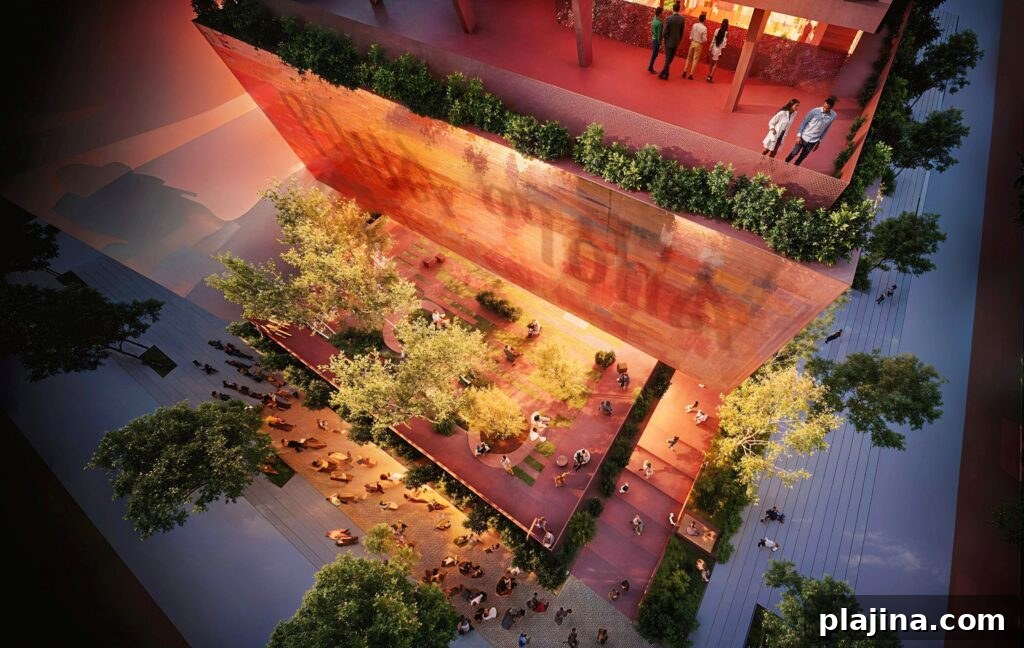
The new Fendika spans four stories of performance, learning and community space, linked by a gently sloping ramp that connects the street-level courtyard to a rooftop stage. The concept is intentionally open: keep the doors ajar, welcome the city in, and ensure the center remains grounded in local life while looking to the future.
Developed in partnership with Fendika’s local and international communities and supported financially by TrustAfrica, the project builds on decades of grassroots work dedicated to sustaining indigenous Ethiopian performance traditions amid rapid urban change.
© Carlo Ratti Associati
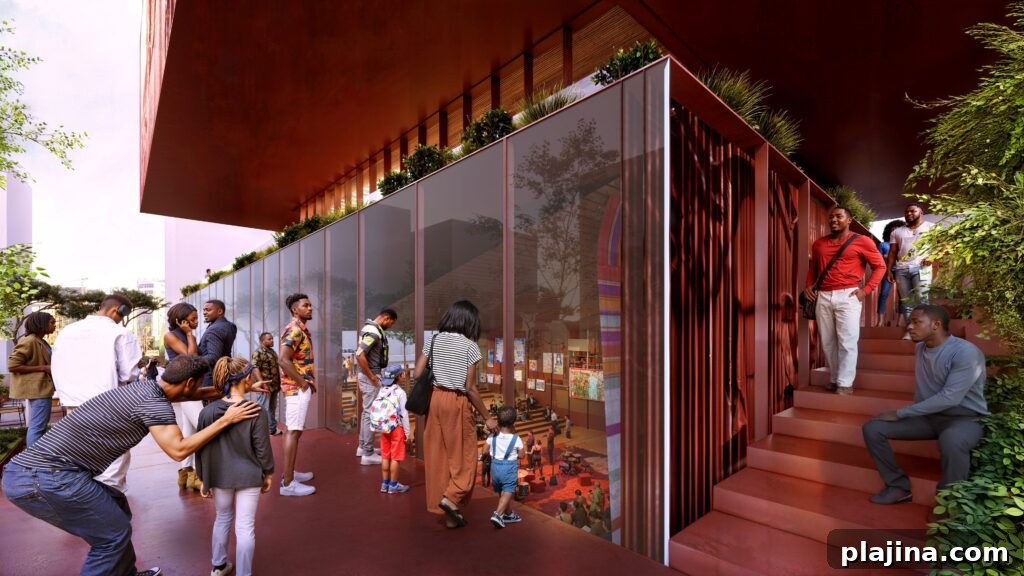
The design purposefully maintains porous boundaries with its surroundings, allowing music and activity to spill into the street and offering passersby glimpses of life inside through broad, street-facing windows. The center occupies the same location as the original venue and combines cultural programming with a mixed-use approach that includes a hotel, creating a year-round destination for locals and visitors alike.
While the new building is completed, Hyatt Regency Addis Ababa at Meskel Square has provided temporary space for musical performances, serving as an interim home for Fendika’s programming.
Kazanchis was once dotted with informal venues known as azmari bets, where musicians and poets improvised songs and verses. Most of these venues have disappeared over the past decade, replaced by fast-paced residential and commercial development. The original Fendika, the neighborhood’s last surviving azmari bet, was revived by Melaku Belay in 2008. Under his leadership, Fendika shifted from a tip-based model to salaried performances and expanded into visual arts exhibitions, literary readings and community education. Over time, the venue gained international recognition and awards for its cultural work.
© Carlo Ratti Associati
In 2024, the future of Fendika was uncertain after its site was earmarked for redevelopment. In recognition of the venue’s cultural importance, the Addis Ababa Municipality and Mayor Adanech Abebe supported a solution that allowed Fendika to remain on site and rebuild. The city encouraged a proposal that would align the institution with Addis Ababa’s evolving urban planning, ensuring the cultural center could continue its work within the changing fabric of the city.
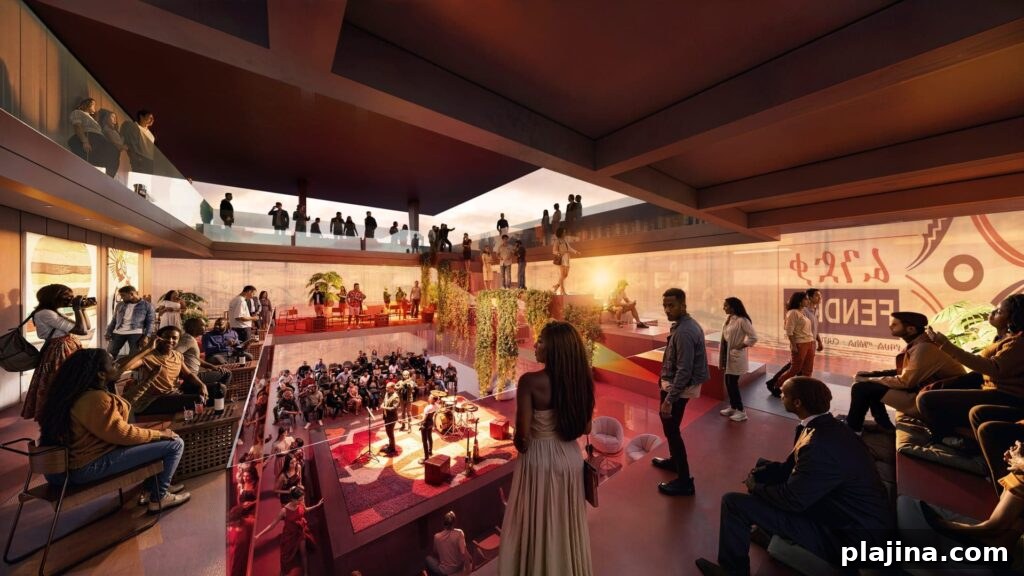
The new building translates Fendika’s close community ties into architectural form, beginning at the street. A gently inclined stair-ramp rises from the ground to a rooftop terrace and threads through performance halls, classrooms, rehearsal studios, artist residences, archives, a café and an open-air stage. Double-height volumes and interwoven staircases connect the four levels, letting visitors circulate naturally while staying within earshot of music and events. Balconies and landings provide places to pause and observe, blurring the lines between formal programming and everyday life.
© Carlo Ratti Associati
“CRA–Carlo Ratti Associati’s design for Grand Fendika is wonderful news for Fendika supporters from all over the world,” said Melaku Belay. “Carlo Ratti and his team understand Fendika’s ethos of bringing people and communities together through the arts. This collaboration will elevate our work and help the new Fendika contribute to the vibrant future of Addis Ababa envisioned by Mayor Adanech Abebe and her administration.”