Chocolate originates from cacao beans, and Ecuador — long recognized as the birthplace of cacao — remains a vital source in the global chocolate story. While earlier theories credited Mesoamerican cultures with first using cacao, recent archaeological and scientific research points to indigenous peoples in what is now Ecuador as the earliest cultivators of the cacao bean.
From verdant plantations to informative museums, Ecuador offers rich experiences for chocolate lovers and travelers alike. Visitors can trace the story of the famed Arriba cacao, learn how cacao shaped regional history through ancient pottery and customs, and witness the living culture of Ecuador’s cacao industry today.
© Ecuador Ministry of Tourism
To understand cacao’s deep roots in Ecuador, a visit to The Cacao Museum in Guayaquil provides essential context. The exhibits explore how cacao and Ecuador’s history are interwoven, highlighting cultural practices and archaeological finds from ancient societies. Research traces early cacao domestication to groups such as the Mayo-Chinchipe culture in the modern Zamora Chinchipe province. Later, a cacao boom made Guayaquil a pivotal production and export center, leveraging the city’s strategic port to connect Ecuadorian cacao with global markets.
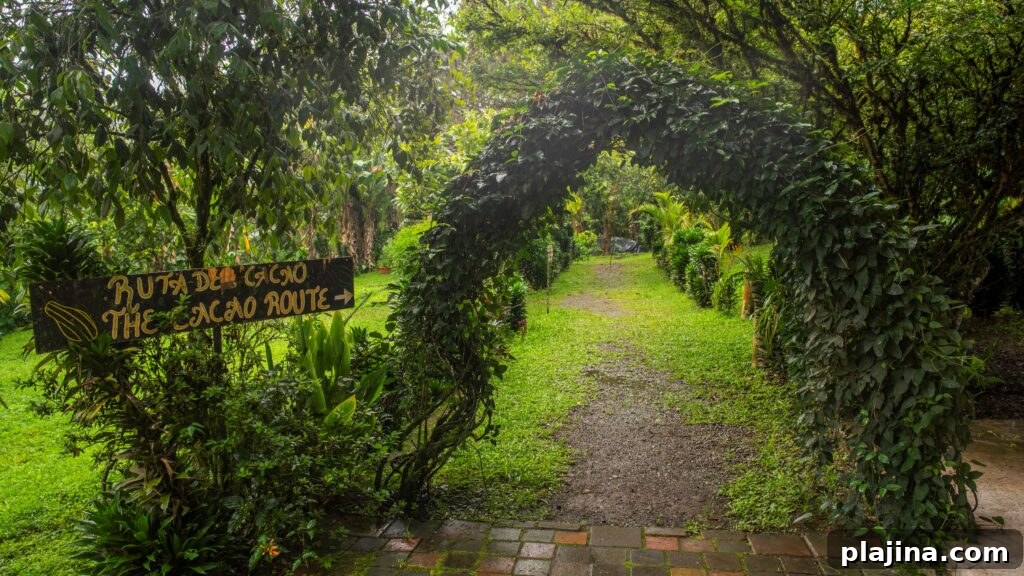
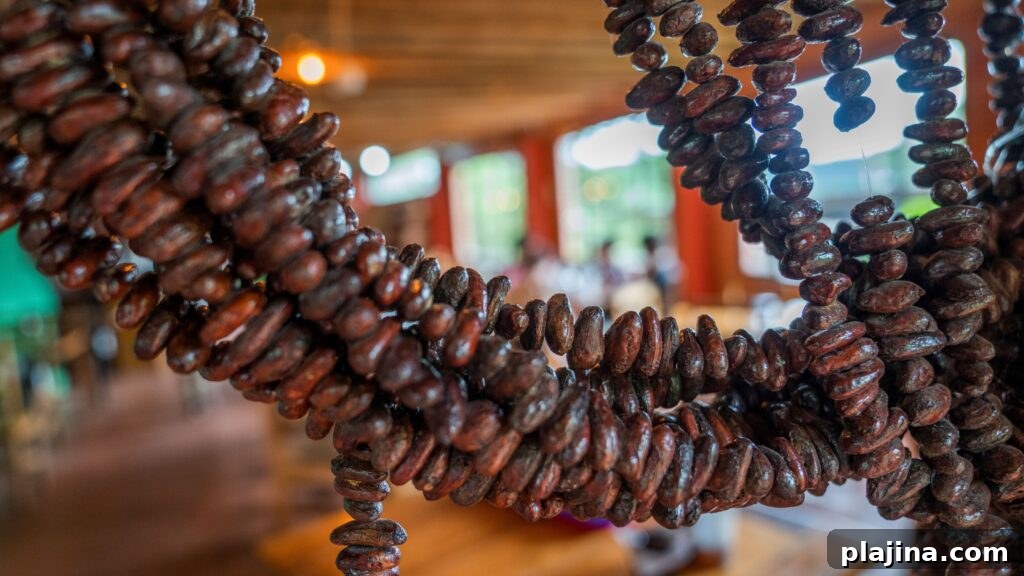
Hands-on plantation tours let visitors see the entire chocolate-making journey, from harvest to finished bar. Quetzal de Mindo, a small chocolate maker in the Andes, runs guided experiences at its cacao plots and workshop near the town of Mindo, roughly two hours from Quito. On the coast, Haciendas Las Cañas offers large-scale agrotourism on one of Ecuador’s biggest cacao estates. Located about 1.5 hours from Guayaquil in Guayas province, this hacienda pioneered the country’s early “Cacao Route” and remains a popular destination for visitors interested in plantation-scale operations.
© Ecuador Ministry of Tourism
Sampling Ecuadorian chocolate at local shops and artisan producers reveals a wide palette of flavors, from intense dark bars to creamy, fruity varieties. Ecuador’s unique cacao varieties lend distinct aromatic and tasting notes that many connoisseurs prize. Nationwide, hundreds of chocolatiers experiment with different cacao blends and fermentation methods, producing a diverse range of products.
Cárdenas Chocolate, based in Manabí province, is noted for working with Nacional cacao, an endemic Ecuadorian variety prized for its fine flavor and rarity. Pacari Chocolate is another standout: internationally awarded and widely recognized for sustainable practices, Pacari has earned acclaim from multiple organizations and publications that highlight ethical and environmentally conscious chocolate production.
Whether you’re exploring museums and archaeological evidence, touring plantations and processing facilities, or tasting selections from boutique chocolatiers, Ecuador offers a complete cacao experience. The country’s deep history, specialized cacao varieties, and growing community of artisanal producers make it an essential destination for anyone interested in the origins and craft of chocolate.